


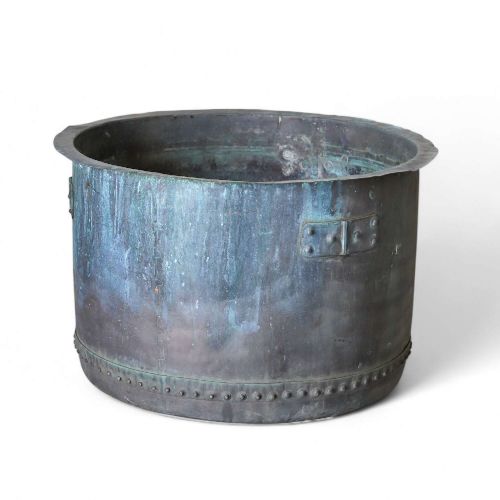
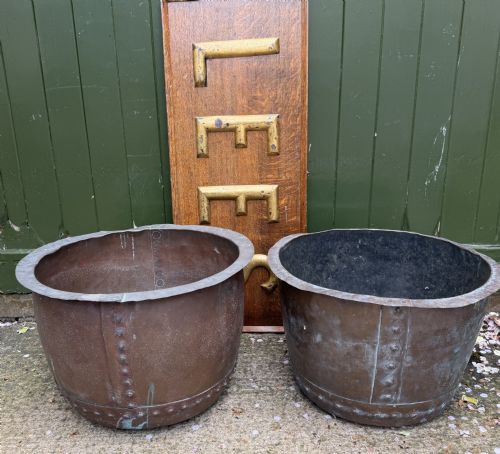


Copper Wash Boiler Tub
These heavy metal vessels built for utility are today sought after as rustic planters and log bins.
Copper Wash Boiler Tub
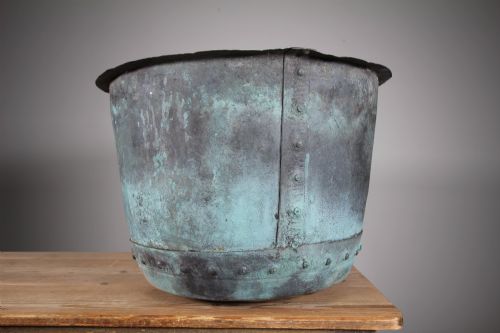
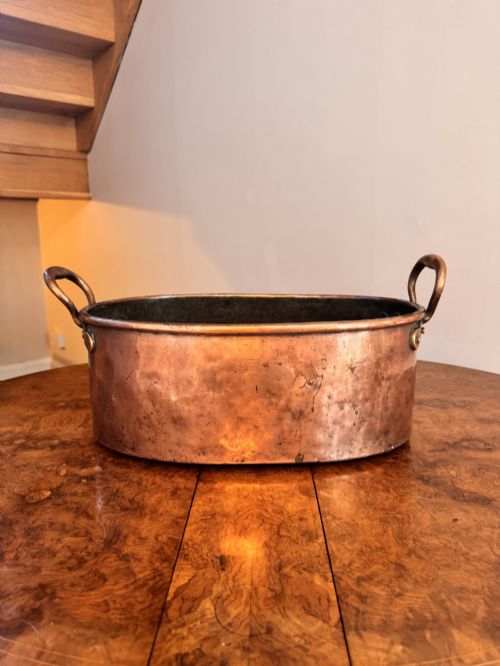
A copper wash boiler tub is a sturdy metal container originating from utility and farm use, often found bearing the marks of practical work from the eighteenth and nineteenth centuries. These pieces cross over into domestic and garden settings as log buckets, planters and large decorative pots.
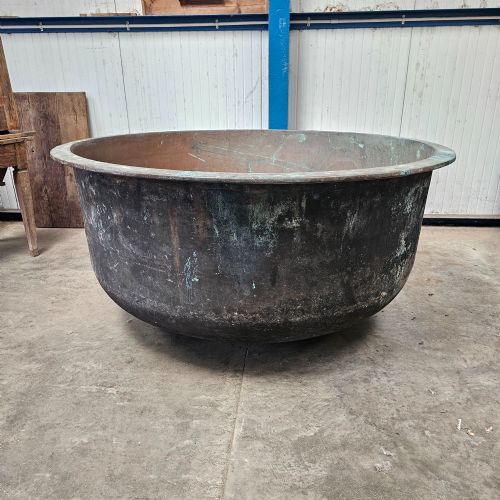
Most examples encountered here date from the Victorian era and the broader nineteenth century, with occasional Georgian and French provincial pieces appearing. They take the form of heavy pans, cauldrons, boilers and cheese vats made for heavy-duty boiling and holding.
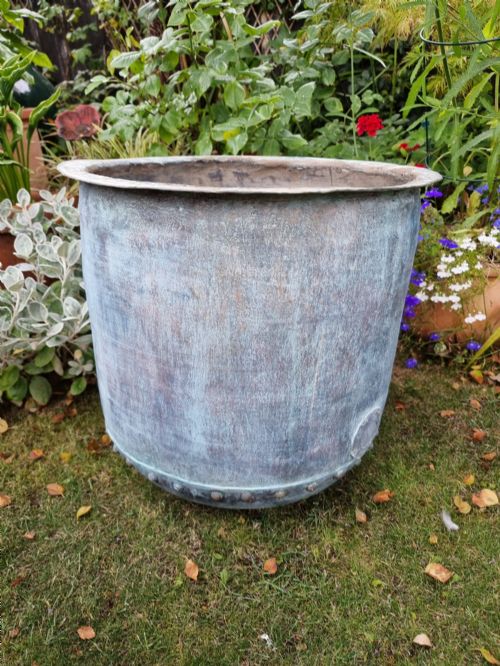
Buyers choose these vessels to bring industrial warmth and texture into modern rooms or garden spaces. Their generous proportions and weathered surfaces suit duties like holding firewood by a hearth or housing large foliage.
How they were made
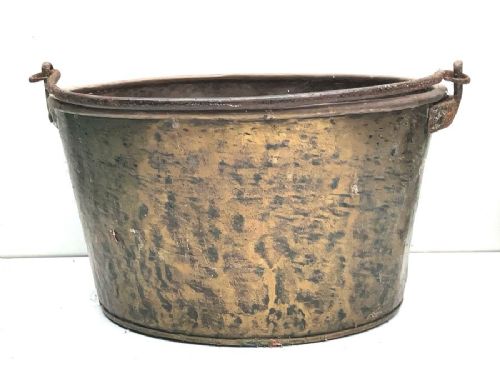
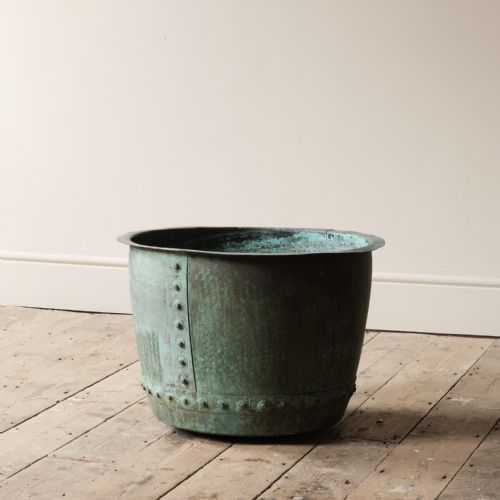
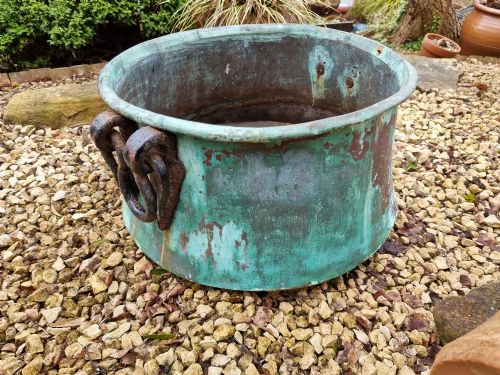
The body of a copper wash boiler tub is typically formed from sheet metal joined by hand-riveting, showing the steady hammer work of the period. Makers combined heavy copper with iron, wrought iron for swing handles, and occasionally brass or tin elements.
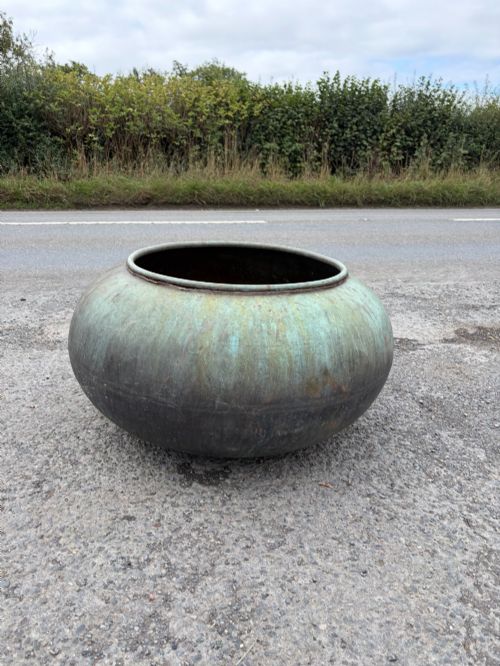
Surfaces developed their character through decades of heat and weather, leaving natural patinas, verdigris finishes, and sometimes traces of old paint. Handles and rims were reinforced to bear the heavy weight of water and contents.
Copper Wash Boiler Tub Retail Price Guide 2026
Typical asking prices for copper wash boiler tub among the pieces listed under this phrase on Sellingantiques today, from the lower quarter to the upper quarter. They describe what is for sale here now, not the wider market.
Some vessels retired from dairy cheese production in Franche-Comte now happily hold logs by British hearths.
What varies in quality
Quality rests in the weight of the metal and the integrity of the hand-riveted seams holding the vessel together. Thicker copper sheets and robust wrought iron handles indicate a higher standard of original manufacture.
The depth and uniformity of the natural patina or verdigris surface elevate the visual presence of a piece. Original mounts, such as swing handles or sturdy feet, set superior examples apart from altered items.
The Copper Wash Boiler Tub Glossary
- Verdigris
- A green patina formed naturally on copper through atmospheric weathering and oxidation. This surface layer protects the metal underneath and is prized for its appearance.
- Patina
- The surface sheen and colour acquired by copper and iron through age and use. It records the history of the object.
- Riveted
- Joined together using metal pins hammered flat at the ends. This method held heavy seams tight before modern welding.
- Cauldron
- A large deep pot or kettle used traditionally for boiling over an open fire. They usually feature sturdy handles for lifting.
- Cheese vat
- A large industrial vessel used in dairy production for holding milk during cheese making. These containers provide immense internal volume.
Copper Wash Boiler Tub: Frequently Asked Questions
Can I use these outdoors?
These robust metal vessels handle outdoor garden conditions very well as planters and display pots.
Their copper and iron construction withstands the elements, though the natural verdigris surface may continue to evolve in the rain.
How do I clean the copper?
Most buyers prefer to leave the accumulated patina and verdigris untouched because it shows the age of the piece.
If you wish to reduce oxidation, mild soapy water is safest, avoiding harsh metal polishes that strip historical character.
Are the handles original?
Many pieces feature heavy wrought iron swing handles or fixed grips attached securely with riveted brackets.
Examining the metal around the joins reveals whether the fittings belong to the original period of manufacture.
How do I date a copper pot?
Dating relies on observing construction methods like hand-riveting patterns, handle styles, and the thickness of the sheet metal.
Georgian and Victorian examples often display distinct utilitarian forging techniques compared to later factory work.