



Copper Vessel Iron Handles
These copper vessel iron handles combine heavy metal bodies with sturdy lifting metal work for fireside and kitchen use.
Copper Vessel Iron Handles
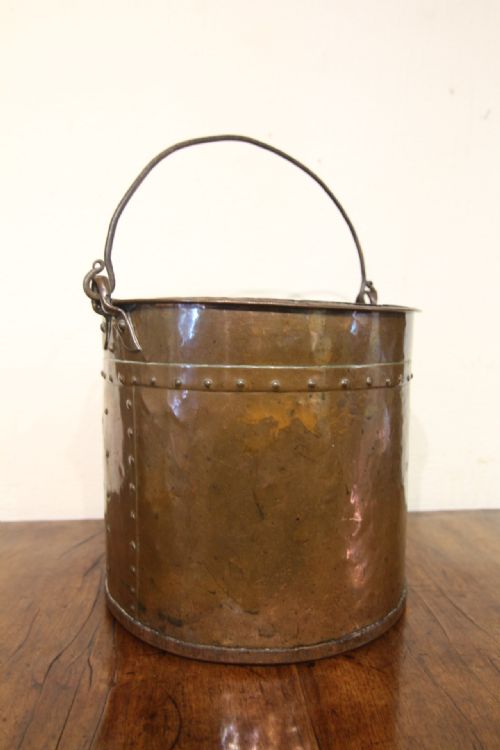
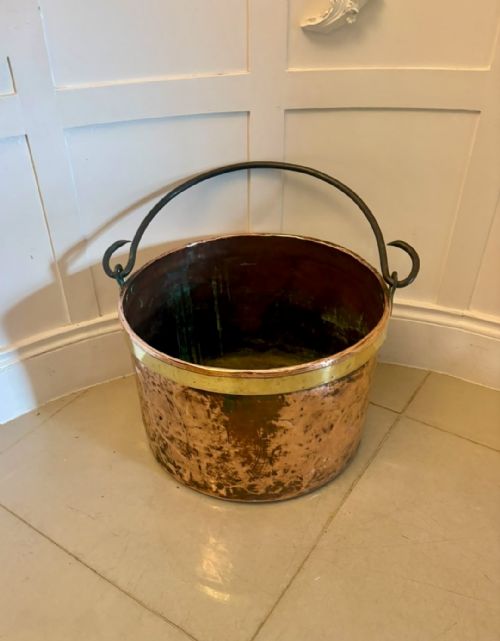
Copper vessel iron handles cover utility items from the Georgian, Victorian, and Arts and Crafts periods, appearing in forms such as log bins, coal buckets, fireside buckets, and cauldrons. Buyers seek these pieces for practical fireside storage or traditional kitchen display.
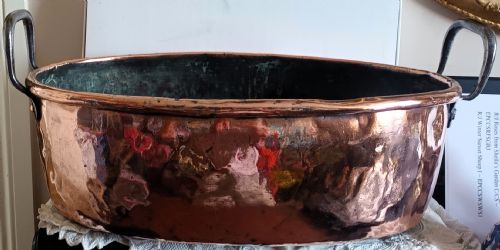
The selection on this page leans heavily towards Georgian and nineteenth-century examples, spanning English country house pieces and French country styles. Common formats include heavy cooking pots, saucepans, cream setting pans, and large garden planters.
Origins stretch across English workshops and French provincial makers, utilising durable metal construction suited to heavy domestic duties. Most items double as functional containers and decorative hearth accessories.
Construction and Materials
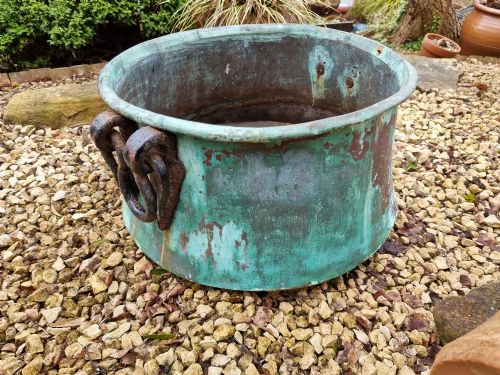
The primary bodies are formed from beaten sheet copper, often joined with visible rivets along the seams to handle heavy loads. Wrought iron or standard iron handles are securely attached to the main copper body for lifting and carrying.
Surfaces frequently show the natural effects of age, including verdigris patination on nineteenth-century pieces alongside warmer polished finishes on George III cooking vessels.
Copper Vessel Iron Handles Retail Price Guide 2026
Typical asking prices for copper vessel iron handles among the pieces listed under this phrase on Sellingantiques today, from the lower quarter to the upper quarter. They describe what is for sale here now, not the wider market.
Some nineteenth-century cauldrons spent decades boiling laundry before retiring to a quiet life holding logs.
Assessing Quality
Quality rests in the thickness of the copper sheet and the robustness of the iron handle attachment, where heavier gauges endure prolonged use better than thin metal. Fine examples display clean hand-beaten shaping and secure riveting rather than hasty mass production.
Proportion and scale dictate desirability, with larger cauldrons and log bins commanding attention for their substantial presence by a hearth.
The Copper Vessel Iron Handles Glossary
- Verdigris
- A green patina that forms naturally on copper over time through atmospheric exposure. This oxidation layer indicates genuine age on nineteenth-century pieces.
- Cauldron
- A large deep metal pot with a swing handle used historically over open fires. These vessels are typically heavy and hold substantial volume.
- George III
- The period of British history spanning from 1760 to 1820, associated here with robust domestic copperware. Pieces from this era often display classic proportions.
- Log Bin
- A large container designed specifically to hold firewood near a fireplace. These items combine sturdy copper bodies with strong iron handles for daily hearth service.
Copper Vessel Iron Handles: Frequently Asked Questions
What were these vessels used for?
These metal vessels served practical domestic roles such as heating water, cooking meals, and storing coal or logs by the hearth. Many functioned in busy kitchens or around the fireplace.
Over time, many of these utilitarian containers transitioned into decorative items used as garden planters or fireside display pieces.
How do I date a copper vessel?
Dating relies on observing construction methods such as hand-riveting, the profile of the iron handle, and the general weight of the copper sheet. Georgian and nineteenth-century pieces exhibit distinct manufacturing traits.
Surface finishes like natural verdigris and maker conventions also provide helpful clues to the era of production.
Can I use these outdoors?
Many large pots and log bins adapt well to outdoor use as garden planters and decorative plant pots. The durable copper and iron construction withstands external conditions.
Displaying them outside will often encourage further natural weathering and verdigris development on the metal surfaces.
How do I clean copper?
Cleaning depends on whether you prefer a bright polished shine or the dark patinated look accumulated over centuries. Mild soapy water removes surface dirt safely.
Avoid abrasive scouring pads that can thin the historic copper sheet and remove desirable aged character.