


Copper Planter Trough
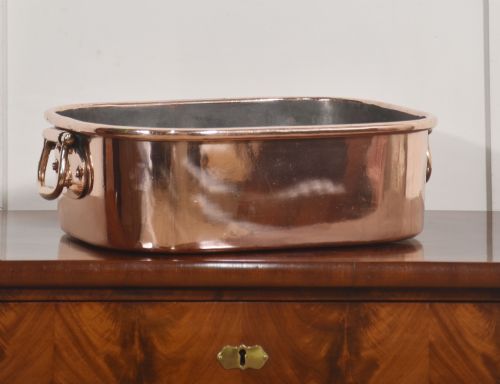
These copper planter trough pieces bring warmth and utility into a room, offering a distinct metallic sheen that plant collectors prize for indoor displays.
Copper Planter Trough
A copper planter trough serves as a functional vessel for holding plants, combining horticultural utility with a decorative metal finish. Buyers searching this phrase look for long, open vessels designed to hold multiple pots or soil directly.
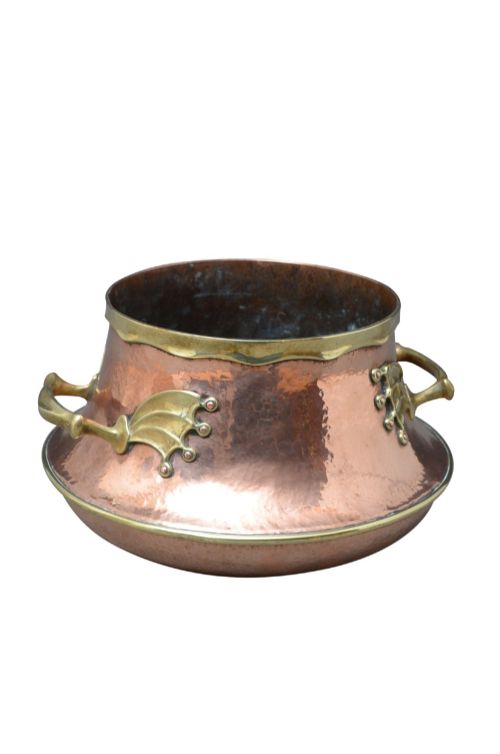
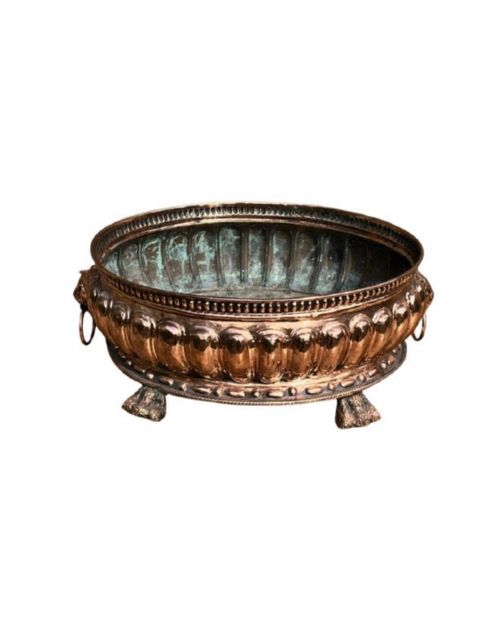
The most common versions met on this page span the nineteenth century and the Victorian era, often featuring hand-riveted construction and patinated surfaces. Forms range from simple utilitarian shapes to decorative Arts and Crafts bowls on stands and Italian Neo-Classical jardinieres.
How they were made
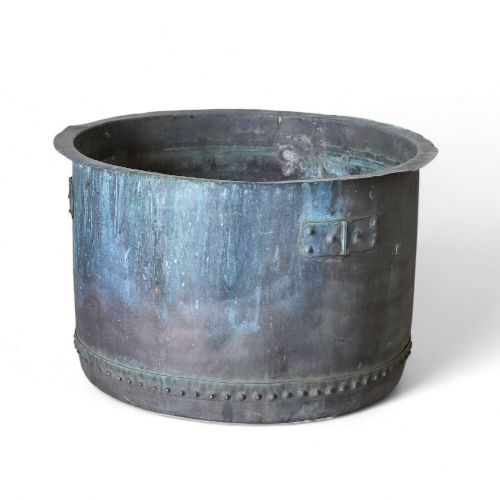
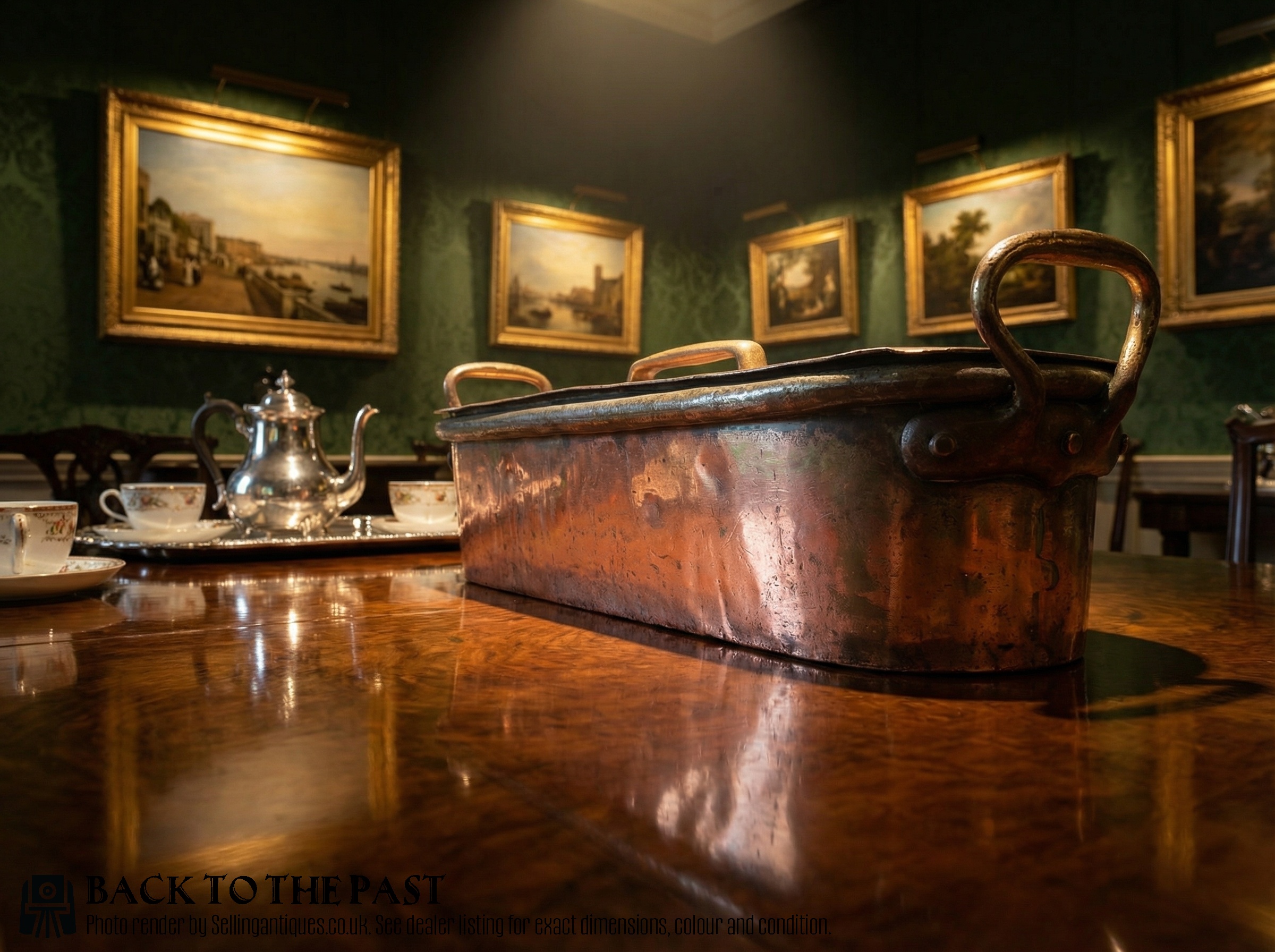
Many of these pieces rely on solid copper sheets shaped by hand and joined with visible metal rivets along the seams. This technique provides structural strength while adding a distinct industrial aesthetic to the vessels.
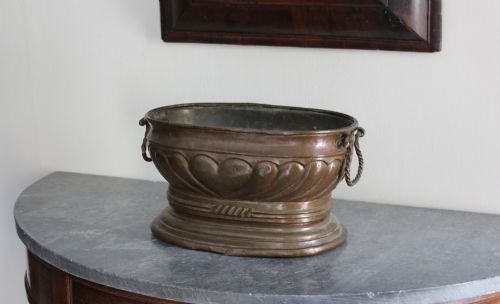
Makers often incorporated brass handles, iron supports, or wrought iron stands to complement the main copper body. Decorative detailing on certain examples involves repoussé work, where designs are hammered into the metal from the reverse side.
Materials across these listings include copper, brass, tin, iron, wrought iron, and steel.
What varies in quality
The quality of a copper planter trough depends largely on the weight of the metal used and the integrity of its construction. Thicker gauge copper maintains its structural form better under the pressure of soil and moisture over generations.
Artistic execution also separates standard utility items from finer decorative pieces, particularly in the precision of the hand-beaten surfaces, the neatness of the riveted joints, and the balance of added brass or iron mounts.
The Copper Planter Trough Glossary
- Patina
- The natural surface change that develops on copper over time through oxidation and handling. This aged coloration adds depth and character to antique metalwork.
- Repoussé
- A metalworking technique where the artisan hammers designs from the reverse side to create a raised relief pattern on the front. It appears on decorative continental planters.
- Jardiniere
- An ornamental pot or stand designed to hold plants or flowers indoors. The term frequently applies to round or oval vessels listed alongside troughs.
- Riveted
- Joined together using short metal pins hammered flat at the ends. This method secures overlapping sheets of copper before the advent of modern welding.
Copper Planter Trough: Frequently Asked Questions
How do I clean an antique copper planter trough?
Maintenance depends on whether you prefer a bright polished finish or a dark aged surface. Most collectors gently wash the vessel with mild soap and water, avoiding harsh chemical abrasives that strip the historic patina.
Dry the metal thoroughly after cleaning to prevent water spotting. If you choose to polish the copper, use a dedicated metal cream applied with a soft cloth.
How do I date a nineteenth-century copper piece?
Dating relies on observing construction methods, maker marks, and stylistic indicators such as Victorian or Arts and Crafts motifs. Hand-riveted seams and heavy gauge metal often point toward earlier Victorian production.
Compare the surface wear and alloy composition with documented examples from the same period. Consulting stylistic traits helps narrow down the decade of manufacture.
Are these troughs suitable for outdoor use?
While copper withstands weathering well, historical pieces were frequently designed for indoor use as jardinieres or wine coolers. Extended exposure to harsh outdoor elements can pit the metal and alter the antique surface unpredictably.
Sheltered garden rooms or covered porches provide a safer environment for antique metalware. Protecting the vessels from freezing winter conditions prevents structural stress.