




Copper Lustre Pottery Jug
These copper lustre pottery jugs bring metallic sheen and rich painted patterns straight from nineteenth-century kitchens to your display cabinet.
Copper Lustre Pottery Jug
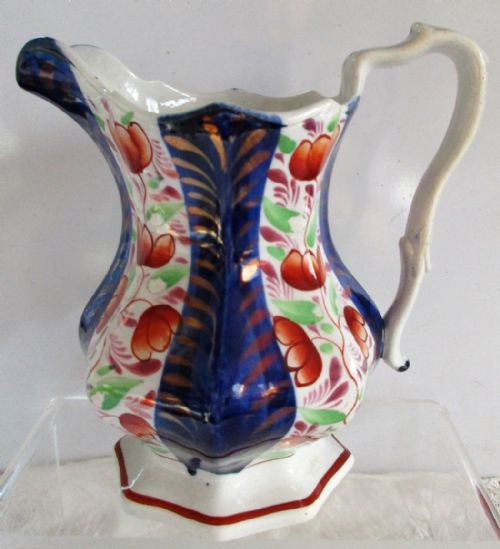
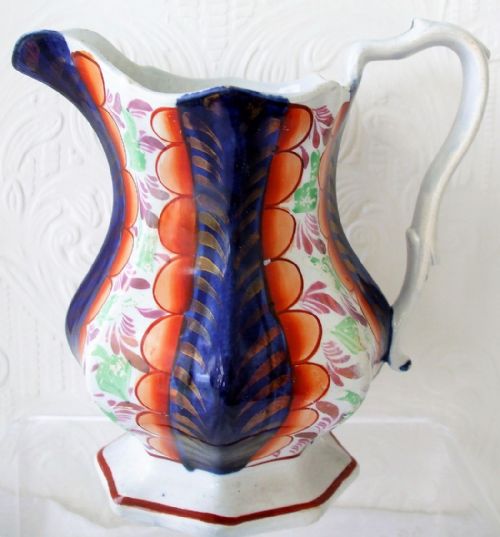
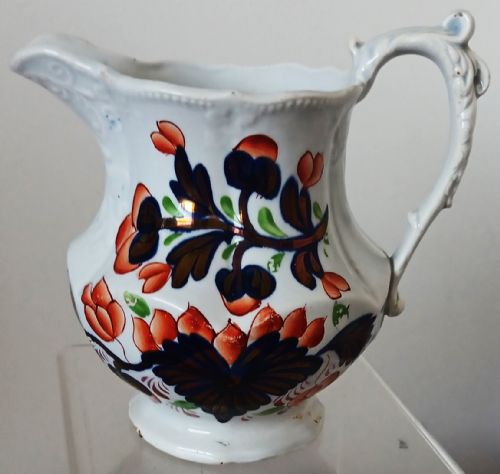
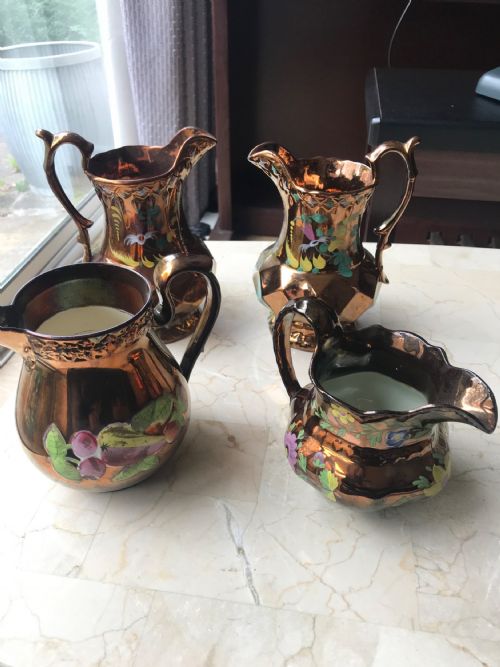
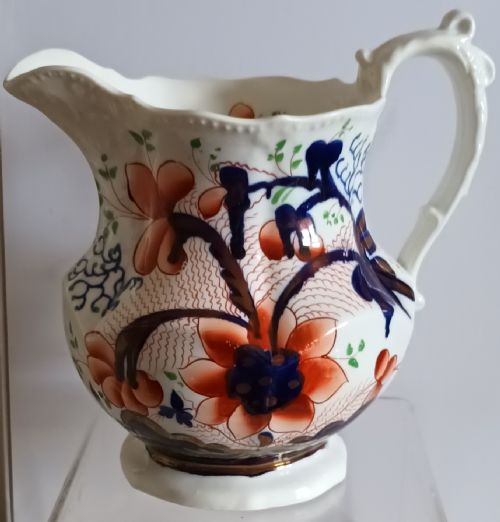
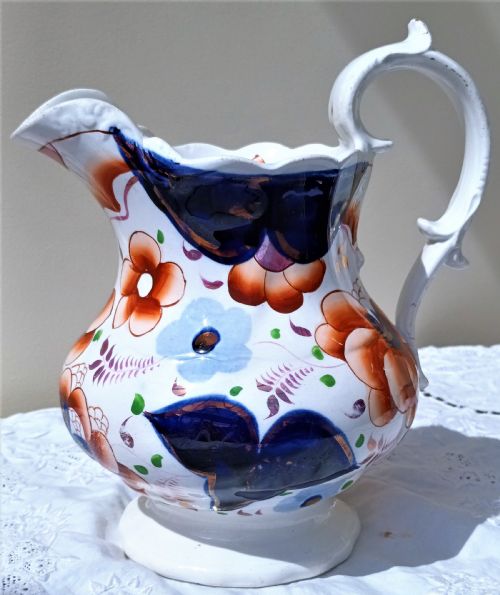
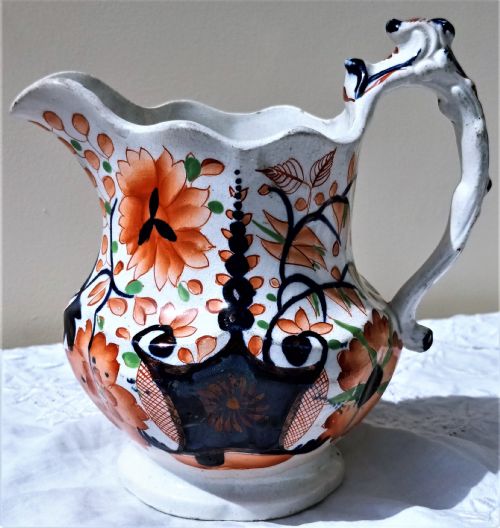
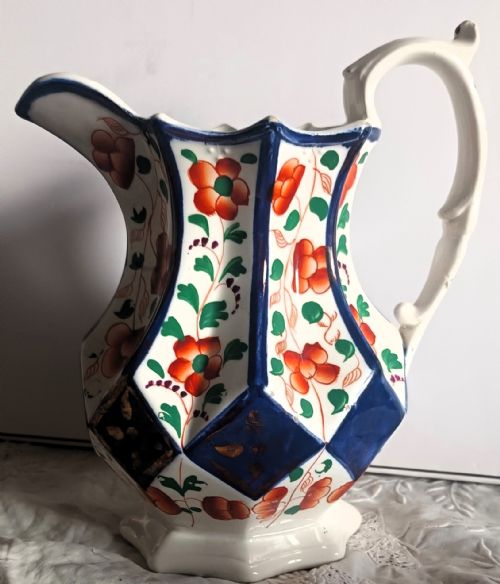
When you search for a copper lustre pottery jug, you encounter earthenware vessels shaped into pitchers, milk jugs, and creamers spanning the Victorian and Georgian eras. The most frequent pieces on this page belong to the nineteenth century, taking the form of Gaudy Welsh patterns and Staffordshire ceramic bodies.
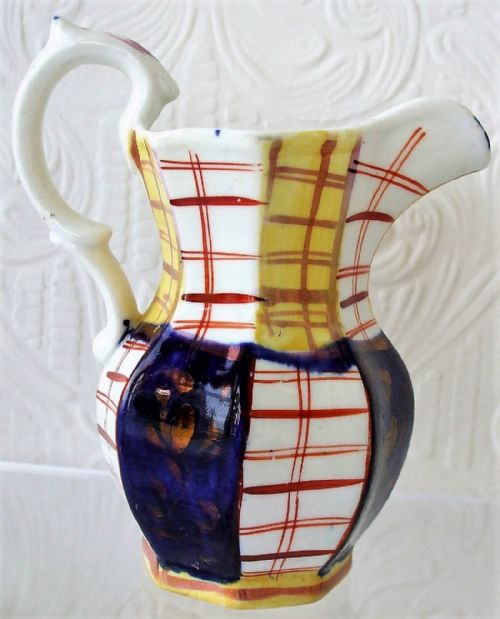
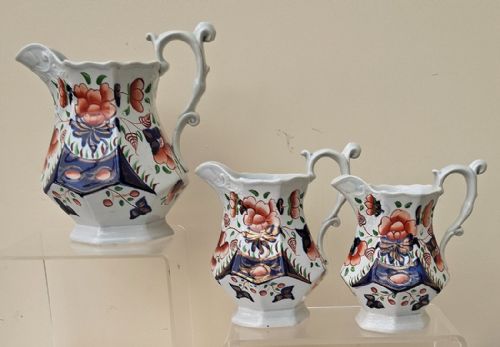
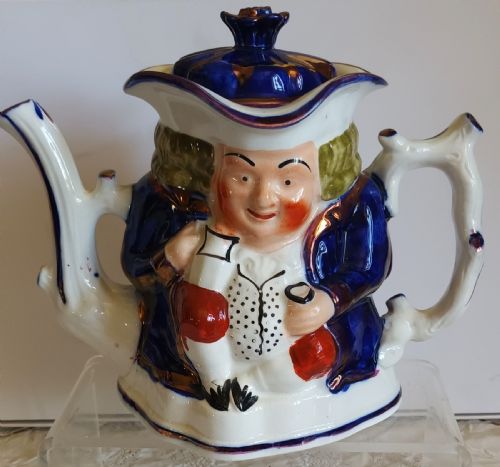
Makers produced these containers in various sizes, ranging from small cream jugs to large milk jugs and even a Toby jug teapot. Many examples display named patterns such as Conwy, Glamorgan, Tartan, and Harlech, alongside hand-decorated fruit motifs.
The assortment combines utilitarian kitchenware with decorative ceramic art, reflecting the domestic habits of nineteenth-century households. Buyers find both individual pitchers and paired sets designed for everyday service or display.
How they were made
Potters shaped these vessels using earthenware and ironstone clay bodies, applying glaze before firing the ceramic in kilns. Staffordshire and other regional workshops formed the jugs into traditional pitcher silhouettes to hold liquids.
Artisans applied metallic lustre glazes and enamel colours over the fired clay to create the distinctive copper sheen. Hand-decorated details, including botanical studies and fruit motifs, were painted directly onto the pottery.
Copper Lustre Pottery Jug Retail Price Guide 2026
Typical asking prices for copper lustre pottery jug among the pieces listed under this phrase on Sellingantiques today, from the lower quarter to the upper quarter. They describe what is for sale here now, not the wider market.
The selection includes named nineteenth-century patterns such as Conwy, Glamorgan, Harlech, and Cambrian Rose.
What varies in quality
The standard of a copper lustre pottery jug depends upon the crispness of the moulded body and the evenness of the metallic glaze. Skilled potters achieved a deep, reflective copper finish that covered the ceramic surface without cloudiness.
Painted details separate basic kitchenware from finer decorative pieces, with intricate botanical or named patterns requiring steady brushwork. The preservation of both the metallic lustre and the enamel colours dictates the visual strength of each jug.
Livesley Powell and Co
The Copper Lustre Pottery Jug Glossary
- Copper lustre
- A ceramic glaze containing metallic elements that fires to a reflective, coppery sheen. This finish defines the primary visual characteristic of these nineteenth-century pieces.
- Earthenware
- A porous type of pottery fired at lower temperatures than stoneware or porcelain. It forms the core structural body for the majority of these jugs.
- Ironstone
- A durable type of heavy ceramic developed in the nineteenth century to imitate porcelain. It provides a sturdy alternative to standard earthenware.
- Gaudy Welsh
- A style of pottery featuring bright cobalt blue, copper lustre, and iron-red enamel decoration. These wares were heavily produced in the nineteenth century for domestic use.
- Staffordshire
- A major English region known for its numerous pottery factories and ceramic production. Many nineteenth-century pitchers originate from these workshops.
Copper Lustre Pottery Jug: Frequently Asked Questions
What were copper lustre jugs used for?
Nineteenth-century households utilised these ceramic vessels primarily for serving milk, cream, and water at the table. Their bright metallic finishes also made them popular decorative items for dressers and mantelpieces.
Over time, many of these pitchers transitioned from active kitchen use to display pieces collected for their regional patterns and reflective glazes.
How do I date a copper lustre jug?
Dating relies on examining the ceramic body, glaze characteristics, and recorded pattern names from the nineteenth century. Ironstone bodies and specific regional motifs often point toward particular decades within the Victorian era.
Style indicators such as hand-painted botanical details and Gaudy Welsh patterns help narrow down the period of manufacture when maker marks are absent.
Are these jugs made of porcelain?
Most of the pieces on this page consist of earthenware or ironstone rather than true porcelain. Potters favoured these durable ceramic bodies because they held glazes well and suited daily domestic tasks.
Ironstone offered an especially sturdy base for nineteenth-century pitchers designed to withstand frequent handling in busy kitchens.
How should I display my jug?
Displaying these pieces where natural light strikes the metallic glaze allows the copper lustre to reflect its full depth and warmth. Placing them away from direct moisture protects the enamel colours painted over the glaze.
Grouping different sizes or patterned variations together highlights the variety of nineteenth-century ceramic decoration found across the collection.