

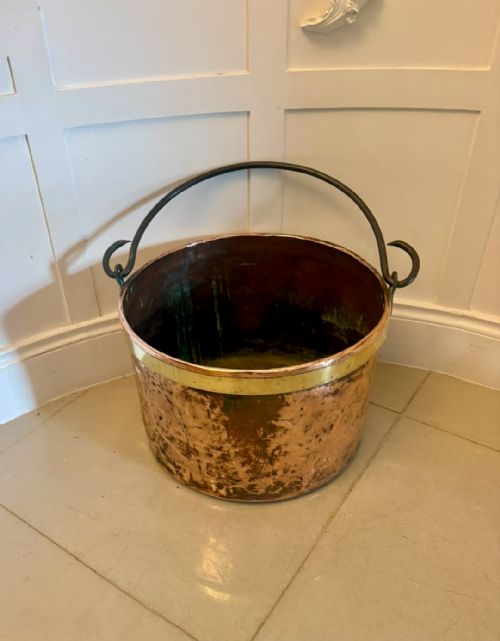


Copper Hearth Log Tub
A copper hearth log tub brings warmth to a fireside through heavy metalwork and deep, aged surfaces.
Copper Hearth Log Tub
A copper hearth log tub is a functional fireside vessel designed to hold wood beside the fireplace, frequently crossing over in form with large planters, scuttles, and cauldrons. When you search for a copper hearth log tub, you encounter robust domestic vessels originating primarily from the nineteenth century alongside Georgian examples.
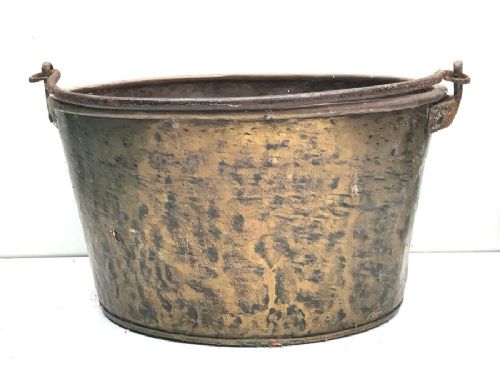
The versions most commonly met on this page combine generous proportions with durable metal construction, often featuring drop handles or swing bails in iron and brass. Many examples bear the dual identity of log storage and garden use, reflecting their utilitarian origins in domestic and agricultural settings.
Materials and construction methods
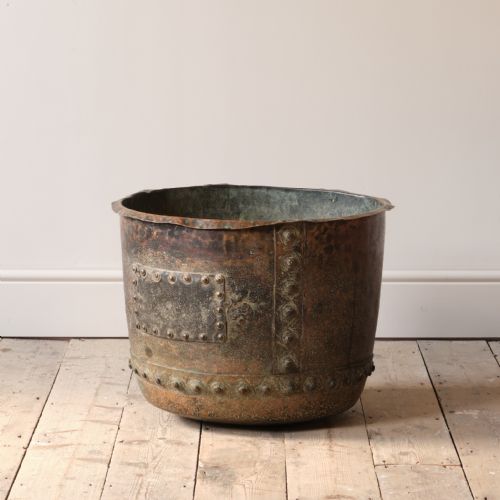
These vessels rely fundamentally on heavy sheet copper, shaped and joined with hand-driven rivets that secure the overlapping seams. Wrought iron and brass appear frequently in the construction of swing handles, rims, and decorative mounts.
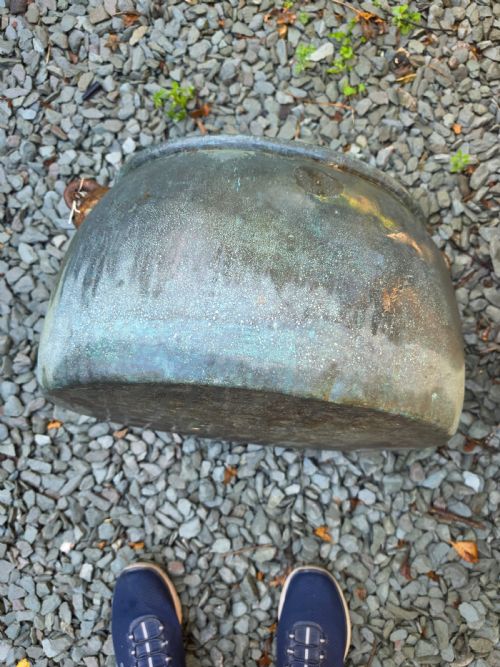
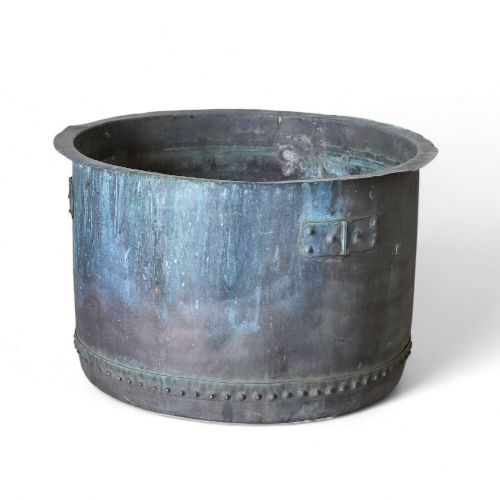
Makers utilised the natural malleability of copper to beat sheets into deep cylindrical, oval, or cauldron forms. Many pieces retain original surface characteristics, displaying natural patination and verdigris accumulated through decades of use.
Copper Hearth Log Tub Retail Price Guide 2026
Typical asking prices for copper hearth log tub among the pieces listed under this phrase on Sellingantiques today, from the lower quarter to the upper quarter. They describe what is for sale here now, not the wider market.
Materials documented across the inventory include heavy copper, wrought iron, brass, tin, and standard metal.
Assessing quality and character
The distinction between standard utility vessels and superior pieces lies in the substance of the metal and the integrity of the hand-riveting. Heavier gauge copper and substantial ironwork indicate an intended durability that separates fine display items from lesser utilitarian hardware.
Proportion and surface preservation dictate visual impact, with deep natural patination adding significant depth to the appearance. Original handles, secure bases, and clean structural lines elevate specific examples above standard kitchen and farm vessels.
The Copper Hearth Log Tub Glossary
- Patina
- The surface sheen and colour developed over decades through age and handling. This natural oxidation provides copper with its characteristic deep, warm tones.
- Verdigris
- The green patina formed naturally on copper surfaces through atmospheric exposure. It denotes authentic age and long-term exposure to the elements.
- Bail handle
- A curved metal handle attached by ears or lugs to opposite sides of a vessel. Wrought iron versions allow heavy containers to be lifted safely.
- Riveting
- The method of joining sheet metal by inserting metal pins through overlapping edges and hammering them flat. Hand-riveted seams are a hallmark of early construction.
Copper Hearth Log Tub: Frequently Asked Questions
How do I clean a copper log tub?
Dust the surface regularly with a soft cloth to protect the underlying metal and maintain the existing aged appearance. Avoid harsh chemical cleaners that strip away the natural patina.
Allow the metal to age gracefully by simply wiping away soot and debris with a damp cloth after winter fires.
Were these tubs originally for logs?
Many large copper vessels served diverse domestic, agricultural, or cooking functions before finding a second life by the fireplace. Grain measures, boilers, and cooking pots were frequently repurposed as fireside log bins.
Makers originally hammered these heavy vessels for boiling water, setting cream, or cooking in large farmhouses.
Can I use an antique tub outdoors?
These robust copper and iron vessels tolerate sheltered outdoor conditions well when utilised as garden planters or troughs. Ensure adequate drainage if planting directly into the container.
Weather exposure deepens the verdigris layer, enhancing the rustic character of nineteenth-century metalwork.
How do I date a copper log tub?
Examine the construction methods, noting whether the seams feature hand-driven rivets or machine manufacturing. Georgian and nineteenth-century pieces display heavier gauge metal and distinct tool marks.
Compare the handle attachments and rim construction against documented period examples to establish an approximate date.