






Copper Fused Silver Plates
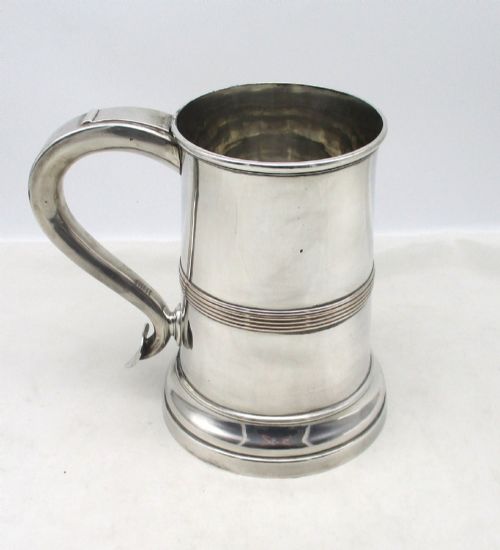
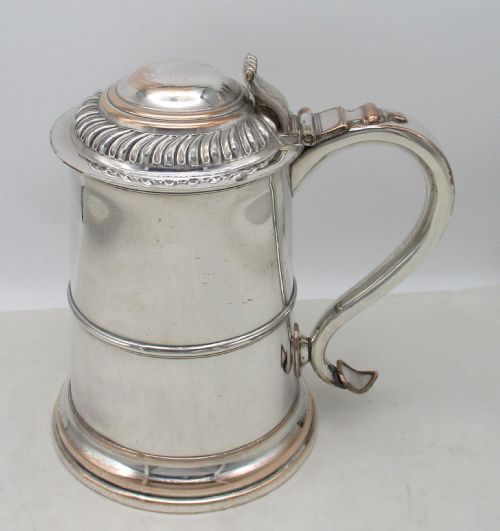
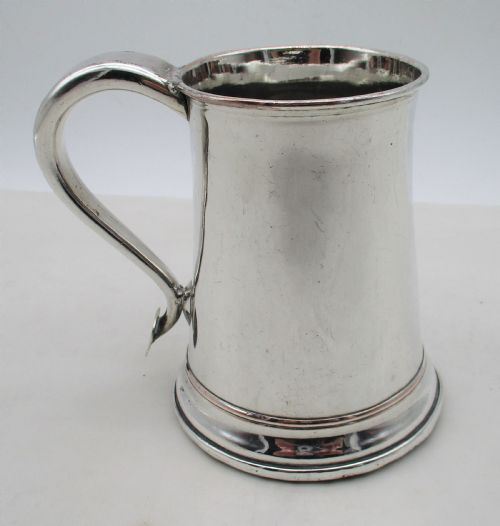
These copper fused silver plates are historical vessels and light fittings created through the fusion method of Old Sheffield Plate.
Copper Fused Silver Plates
Copper fused silver plates refer to pieces fashioned from Old Sheffield Plate, representing the historic technique of fusing a thin layer of silver onto a heavier copper base. Buyers browsing these items encounter tangible examples of Georgian craftsmanship originating from the eighteenth and nineteenth centuries.
The selections available in this category consist primarily of drinking vessels such as tankards and pint tankards, alongside lighting pieces including candlesticks, taper candlesticks and candelabra. These forms highlight the domestic and dining requirements of Georgian households through substantial metalwork.
Most items on this page date from the eighteenth century up to approximately eighteen-twenty, showcasing the early period of silver-plated copper production before modern electroplating methods replaced the old fusing process.
Manufacturing methods and materials
Production relied upon fusing sheets of silver to a thick copper core under high heat, binding the two metals permanently together before shaping the sheet into tankards or candlesticks. This physical union produced durable tableware that maintained the appearance of solid silver at a lower cost.
Makers utilised copper as the primary structural body to provide weight and rigidity, while the bonded silver layer offered a bright exterior finish suitable for domestic display and daily use.
Copper Fused Silver Plates Retail Price Guide 2026
Typical asking prices for copper fused silver plates among the pieces listed under this phrase on Sellingantiques today, from the lower quarter to the upper quarter. They describe what is for sale here now, not the wider market.
Georgian tavern patrons enjoyed their ale from heavy tankards built so solidly that some survived centuries of enthusiastic toast-making.
Distinctions in quality
Quality across these items depends largely on the preservation of the original silver layer over the underlying copper body, particularly where handling caused wear along edges and handles. Pieces with intact surfaces show careful historical use and minimal intervention.
Design complexity and proportion also distinguish standard domestic wares from more ambitious workshop output, especially visible in the turning of candlesticks and the construction of heavy lidded tankards.
Richard Morton
The Copper Fused Silver Plates Glossary
- Old Sheffield Plate
- A composite material made by fusing silver and copper together through heat, developed in the eighteenth century before electroplating became common.
- Tankard
- A tall drinking vessel with a single handle, frequently fitted with a hinged lid during the Georgian period.
- Taper candlestick
- A small candlestick designed specifically for holding narrow wax tapers used to seal letters or ignite candles.
- Candelabra
- A branched lighting fixture holding multiple candles, constructed from fused metal sheets in these examples.
Copper Fused Silver Plates: Frequently Asked Questions
How do I care for Old Sheffield Plate?
Maintenance requires gentle cleaning suitable for plated silver items to avoid wearing through the thin silver layer to the exposed copper beneath. Avoid harsh abrasive polishes that remove the historic metal.
Store pieces in stable humidity environments to prevent tarnishing and oxidation of both the silver surface and underlying copper.
How can I tell the age of these items?
Dating relies upon stylistic markers of the Georgian period, construction methods associated with fused plate, and overall form. Items span the eighteenth century and the early nineteenth century.
Early manufacturing methods typically display a visible copper seam where the plate was joined, helping to confirm the historical production era.
Were these pieces used daily?
Tankards and drinking vessels saw active service in Georgian taverns and homes for ale and other beverages. Candlesticks and candelabra provided essential illumination for rooms before gas and electric lighting.
Their robust copper construction made them practical for regular handling while offering the refined appearance of solid silver.