
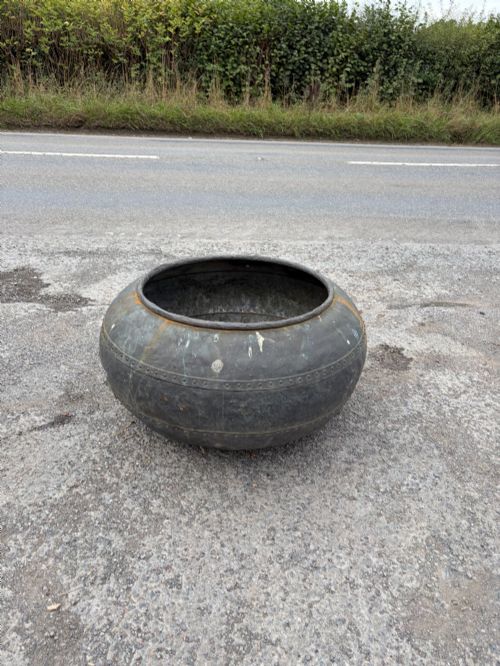
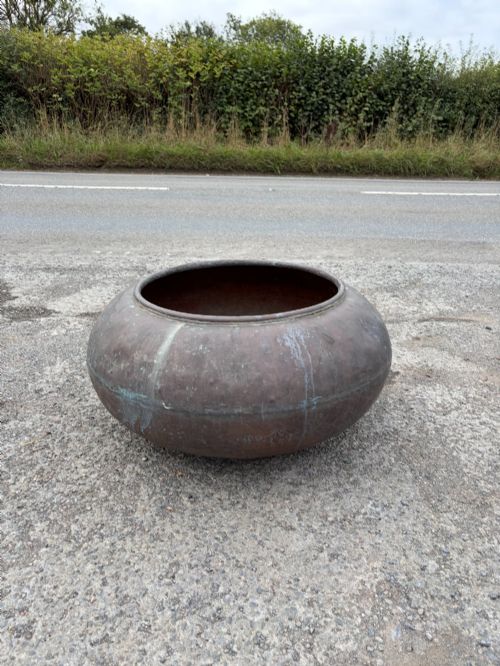
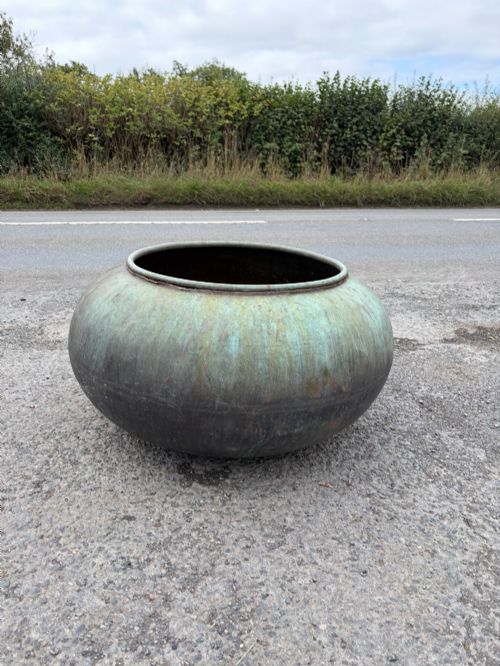
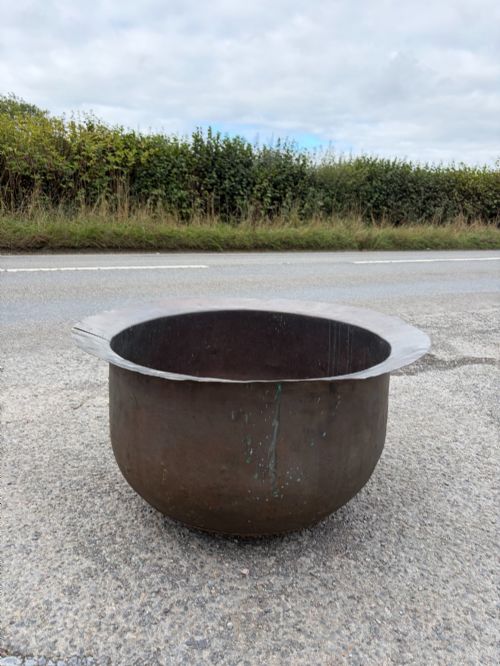


Copper Cauldron Pot
A copper cauldron pot brings warmth and historic utility to a hearth or garden, offering robust metalwork shaped by centuries of domestic and agricultural use.
Copper Cauldron Pot
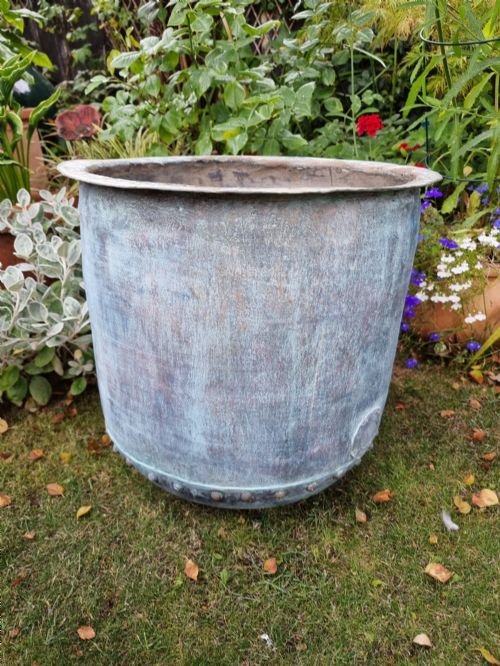
A copper cauldron pot encompasses heavy vessels built for cooking, laundering, and fireside service, alongside large garden planters and log bins. You will frequently encounter nineteenth century pieces displaying generous proportions and functional handles.
The selection ranges from early Georgian cooking pots to Victorian utility vessels and rustic French country containers. These items transitioned from active culinary duty to domestic display pieces, serving as log buckets or garden planters.
Construction and Materials
Fabrication relies primarily on heavy copper sheet metal joined by hand through riveting, brazing, or dovetailed seaming. Metalworkers shaped these vessels over forms, hammering the metal to achieve strength and depth.
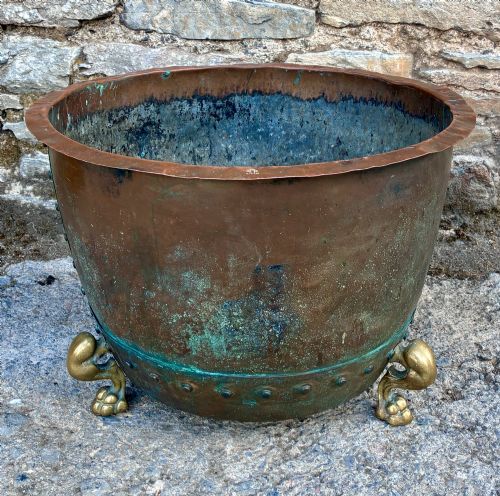
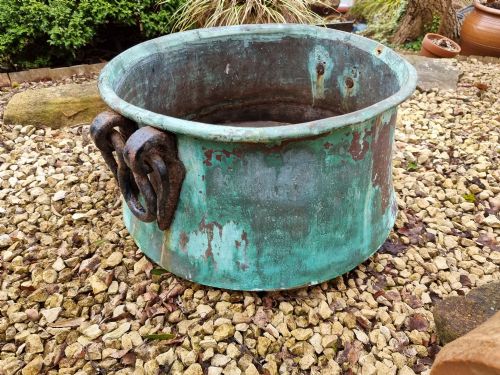
Handles and fittings integrate contrasting materials like wrought iron, cast iron, and brass. These sturdy additions were securely attached to withstand the weight of contents during heavy domestic tasks.
Surfaces often show the natural passage of time through verdigris finishes, original patinas, or painted elements. Beaten textures and visible seams reveal the manual labour involved in their creation.
Current listings feature nineteenth-century and Georgian pieces fabricated from copper, iron, and brass.
Evaluating Craftsmanship and Preservation
The distinction between tiers rests upon the integrity of construction, such as the precision of dovetailing and the weight of the metal. Heavier gauge copper and robust seaming indicate vessels intended for rigorous use rather than lighter decorative items.
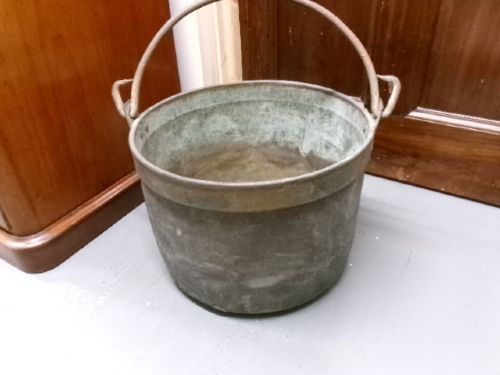
Originality of components heavily influences the standing of a piece, including intact wrought iron swing handles and matching lids. Alterations or replacements alter the historic character of the container.
The degree of surface preservation and natural ageing contributes to visual depth. Retaining an authentic verdigris finish or undisturbed patina marks the distinction between a well-preserved survivor and an over-polished surface.
The Copper Cauldron Pot Glossary
- Verdigris
- A green patina formed naturally on copper through atmospheric oxidation. This chemical layer protects the underlying metal and provides historical visual depth.
- Dovetailed
- A method of joining sheet metal edges with interlocking fingers before hammering flat. This technique creates a secure, liquid-tight seam on round vessels.
- Swing Handle
- A movable arched handle attached to opposite sides of a pot by lugs or ears. It allows the vessel to hang over a fire or tip easily during emptying.
- Dinanderie
- Decorative objects made of brass, copper, or bronze. The term relates to traditional metalworking originating from towns like Dinant in Belgium.
Copper Cauldron Pot: Frequently Asked Questions
What were copper cauldrons used for?
These vessels originally served heavy domestic purposes such as boiling water, cooking meals over hearth fires, and heating laundry in large households.
Over time, many transitioned into fireside storage containers for logs and coal, or moved outdoors to function as garden planters.
How do I date an antique copper pot?
Dating relies on construction methods, such as hand-dovetailed seams and heavy riveted joints typical of eighteenth and nineteenth-century workshops.
Stylistic cues like wrought iron swing handles and Georgian proportions also help narrow the manufacturing period.
Are these pots safe for cooking?
Most antique copper vessels were manufactured without modern food-safe linings and often display wear from centuries of varied use.
They are primarily collected and utilised today for interior decoration, log storage, or planting rather than culinary preparation.
How should I clean verdigris?
Verdigris is the natural green patina that forms on copper when exposed to moisture over long periods.
Many collectors prefer to leave this protective surface intact to preserve the historic character and visual depth of the metal.