


Copper Cauldron Planter
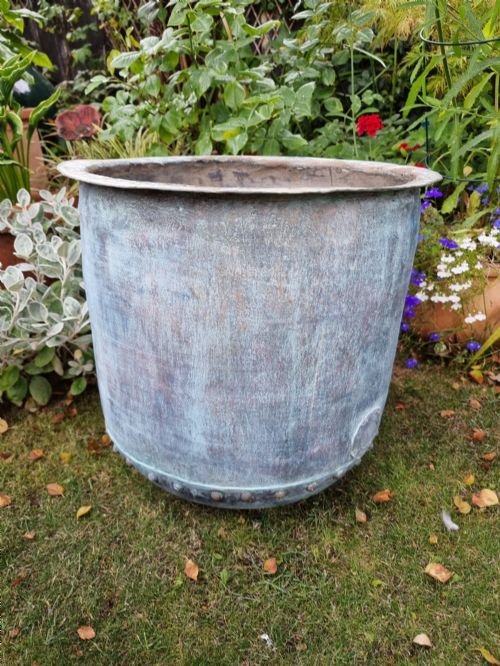
A copper cauldron planter brings heavy metal warmth and deep historic utility directly into a room or garden.
Copper Cauldron Planter
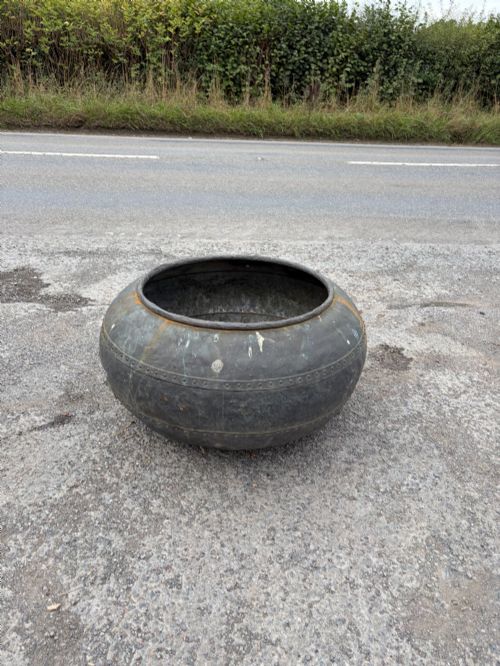
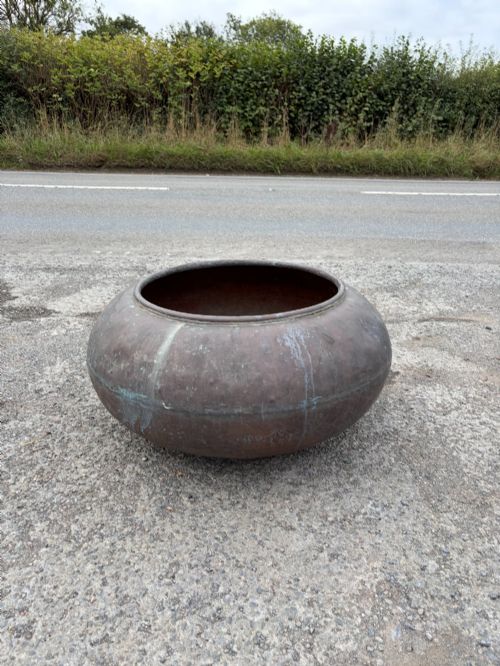
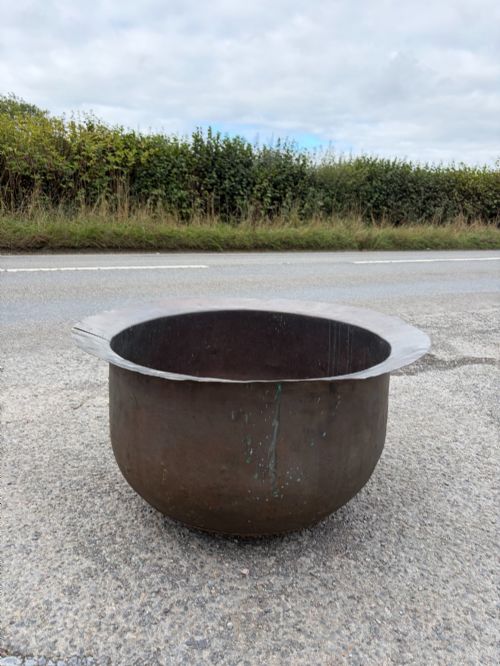
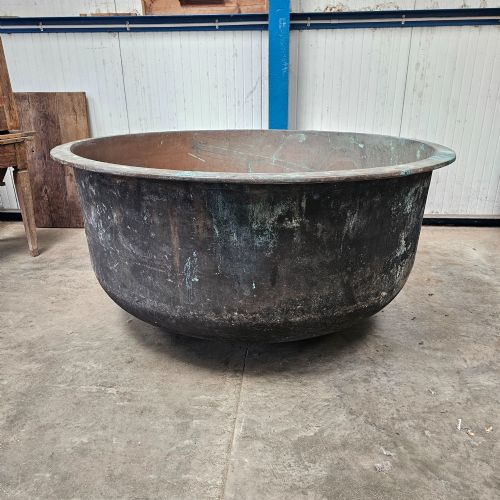
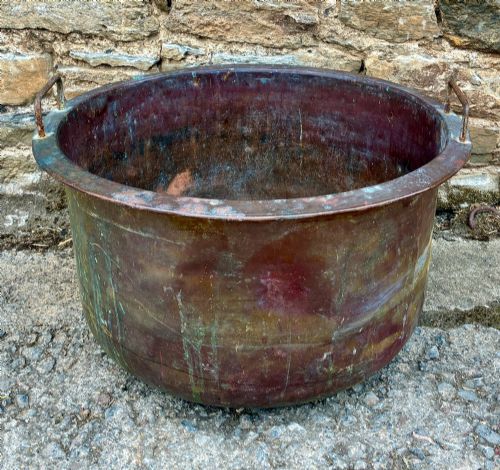
A copper cauldron planter is essentially a substantial historic vessel repurposed from kitchen, dairy or industrial use to hold greenery or logs. When searching this phrase, a buyer encounters large pots, wash tubs, cheese vats and coal buckets originating from the eighteenth, nineteenth and early twentieth centuries. These objects span Georgian, Victorian and rustic farmhouse aesthetics, originating from British, French and wider European workshops.
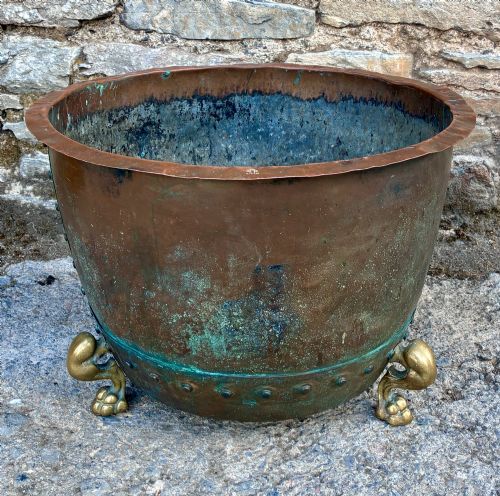
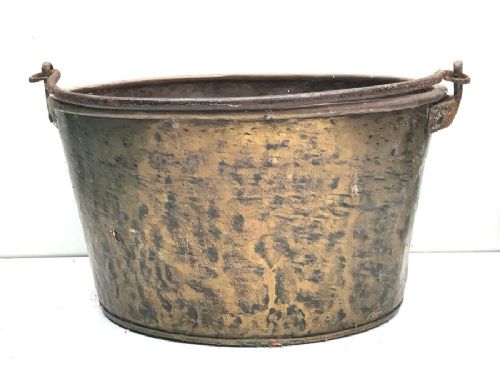
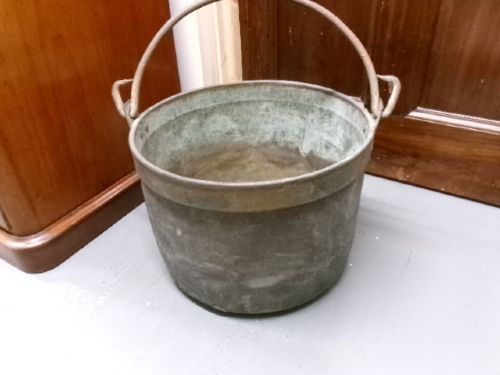
The version most commonly met on this page is the nineteenth century riveted copper pot, often fitted with a swing handle made of wrought iron or brass. They appear as generous log bins, garden display pots and deep planters bearing the scars of active service. Their forms range from squat bowls to deep boilers, each designed to hold substantial weight.
Materials and Construction
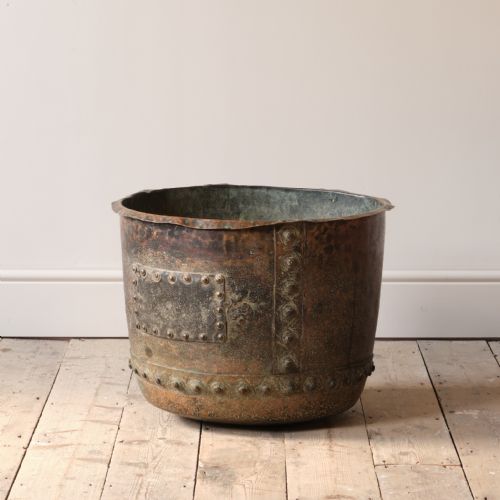
These vessels rely heavily on sheet copper beaten and shaped by hand or early mechanical press, joined by overlapping seams secured with heavy copper rivets. Makers reinforced the rims with iron or brass bands to maintain structural rigidity under heavy loads of water, coal or earth.
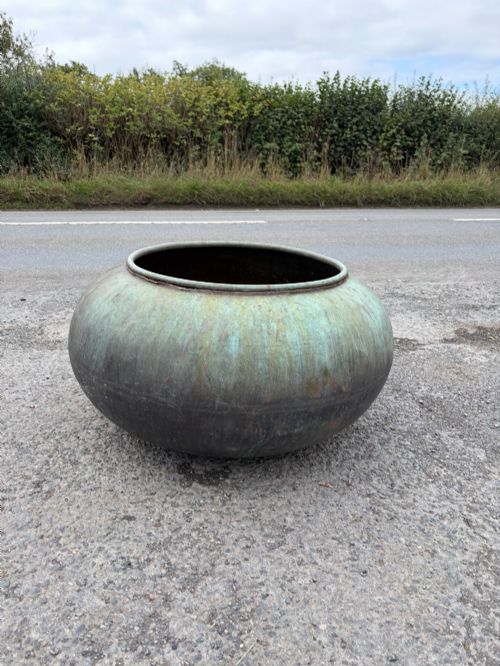
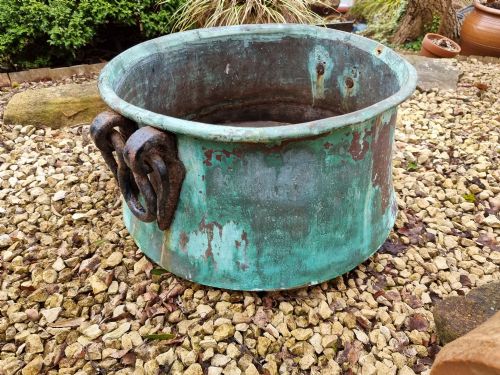
Handles and fittings introduce contrasting metals, predominantly forged wrought iron and cast brass, attached via sturdy brackets or iron loops. Many surfaces display a natural verdigris finish or original dark patina developed through centuries of exposure and use.
A French cheese vat from the Franche-Comte once curdling milk now happily holds oversized ferns in a modern sitting room.
Distinctions in Quality
Quality rests in the thickness of the copper sheet and the integrity of the original construction rather than decorative surface work. Heavier gauge metal resists denting and holds a truer circular form, showing the physical hand of the metalworker in the hammer marks across the body.
The distinction between ordinary utility pieces and superior examples lies in the survival of original hardware, such as heavy wrought iron swing handles and intact brass mounts. Retaining the original unpolished patina and a stable base separates utilitarian survivors from lesser examples.
The Copper Cauldron Planter Glossary
- Cauldron
- A large metal pot with a rounded base and an open top, traditionally used for boiling over an open fire. They often feature swing handles for suspension.
- Log Bin
- A deep container used primarily beside a hearth for storing firewood. In antique pieces, these are frequently converted copper cooking vessels or wash tubs.
- Verdigris
- The green patina that forms naturally on copper and brass through long exposure to moisture and atmospheric elements. It is valued by collectors for its visual depth.
- Dinanderie
- The art of working in brass, copper and bronze to create utilitarian and decorative objects. The term derives from the Belgian town of Dinant, a historic centre for metalwork.
- Riveted
- Joined by metal bolts hammered flat at the ends to secure overlapping sheets of copper. This technique provides both strength and distinct visual texture.
Copper Cauldron Planter: Frequently Asked Questions
What were copper cauldrons originally used for?
These vessels served heavy domestic and industrial purposes, including boiling laundry, heating water, cooking large quantities of food and making cheese in farmhouses.
Over time, changing methods rendered them obsolete for kitchen work, leading to their modern survival as decorative planters and log holders.
How do I clean a copper planter?
Most collectors prefer to leave the dark patina and natural verdigris untouched, as this proves the age and authenticity of the metal. Washing simply with warm soapy water removes dirt without stripping the historic surface.
Harsh metal polishes strip away the aged character and leave the copper unnervingly bright.
Can I use these pots outdoors?
Copper withstands outdoor weather remarkably well, developing further verdigris when exposed to rain and soil over the seasons. Ensure drainage holes exist or use an inner pot to prevent standing water against the base.
Protect them from extreme frost if filled with wet earth to prevent potential stress on historic seams.