




Coopered Wooden Tub
These coopered wooden tub examples offer robust utility and historic charm, bringing tactile warmth and functional heritage straight into a modern interior.
Coopered Wooden Tub
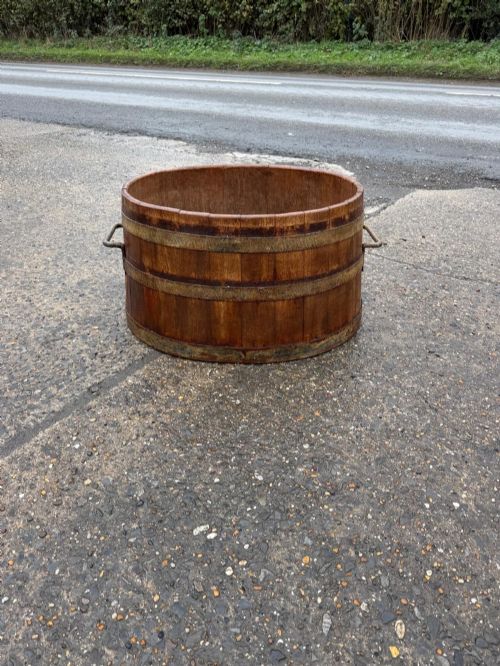
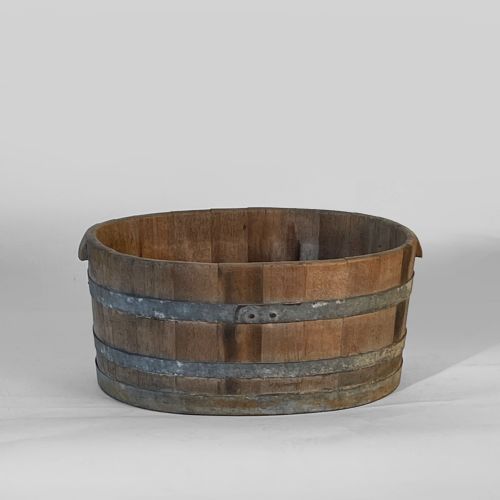
A coopered wooden tub represents a traditional vessel constructed from closely fitted staves held securely in place by exterior metal bands. When you search for a coopered wooden tub, you encounter vessels originally designed for domestic chores, dairy work or storage, which now find new purpose in the home.
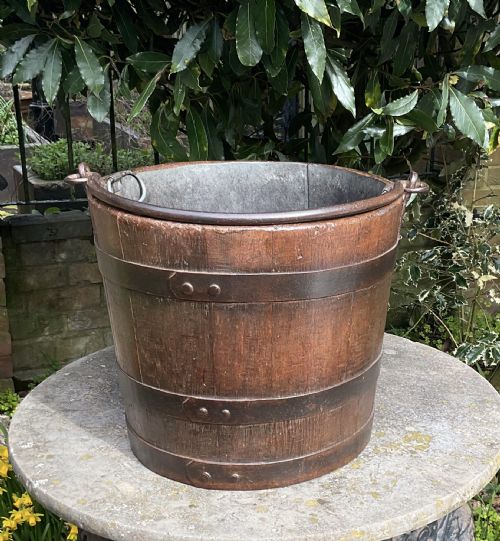
The pieces on this page span the nineteenth and early twentieth centuries, encompassing Victorian, Edwardian and Georgian eras. You are most likely to meet oak examples featuring brass or iron banding, taking the form of buckets, umbrella stands, jardinieres and log bins.
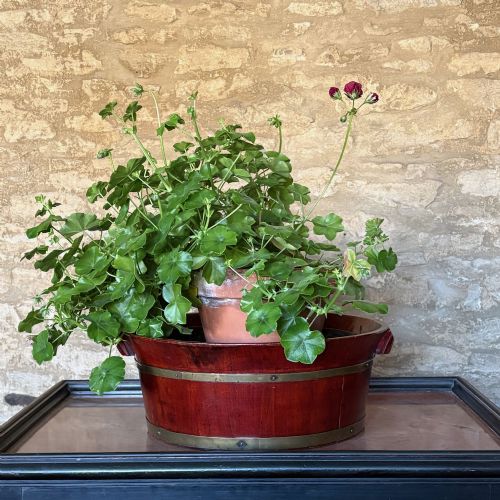
Originating from utilitarian roots in rustic farmhouse and country settings, these vessels now serve as decorative containers, plant pots or hallway stands. Their survival demonstrates the enduring strength of traditional stave construction.
How they were made
Makers shaped individual staves of oak, mahogany or assorted hardwoods to form the curved profile of each vessel, ensuring tight joints without modern adhesives. This skilled stave construction relies on the natural expansion of wood when exposed to moisture to seal the vessel.
Metal bands of brass, iron, copper or wrought iron are hammered hot around the wooden body, shrinking as they cool to clamp the staves firmly together. Additional elements like zinc liners, metal handles and brass mounts are incorporated to handle liquids or support heavy use.
Coopered Wooden Tub Retail Price Guide 2026
Typical asking prices for coopered wooden tub among the pieces listed under this phrase on Sellingantiques today, from the lower quarter to the upper quarter. They describe what is for sale here now, not the wider market.
Object types span umbrella stands, jardinieres, log bins, butter barrels and well buckets.
What varies in quality
The distinction between ordinary utility items and superior examples lies in the selection of timber and the precision of the cooper's work. Tight, seamless joints between staves and the use of substantial oak or mahogany mark out the finer vessels.
Detailing elevates certain pieces, such as heavy brass bands, original swing handles, fitted zinc liners or maker attribution. The integration of robust metalwork with carefully proportioned staves separates standard utilitarian objects from decorative statement pieces.
Lister and Co
The Coopered Wooden Tub Glossary
- Coopered
- Constructed from curved wooden staves bound together with metal hoops. This method was traditionally used for watertight vessels like barrels, buckets and tubs.
- Stave
- A narrow strip of wood with bevelled edges that forms the sides of a coopered vessel. Multiple staves are fitted side by side to create the circular or oval body.
- Jardiniere
- An ornamental pot or stand for holding plants or flowers. In coopered pieces, these often feature metal liners to protect the wood from moisture.
- Treen
- Small handmade wooden household objects made before the widespread use of plastics and modern manufacturing. Coopered buckets and small tubs are frequently grouped under this heading.
Coopered Wooden Tub: Frequently Asked Questions
What were coopered wooden tubs used for originally?
These vessels served demanding daily roles in domestic and agricultural life, ranging from washing laundry and holding oysters to churning butter and drawing water from wells.
Over time, robust construction made them reliable for heavy materials like logs and coal, while smaller versions managed dairy production in country settings.
How can I use a wooden tub in my home today?
Modern interiors repurpose these sturdy vessels as umbrella stands in hallways, log bins beside fireplaces or planters for indoor greenery.
Their water-resistant origins and tactile timber surfaces add natural texture and historic character to living spaces without requiring complex maintenance.
How do I identify the period of a wooden tub?
Dating relies on timber choice, metalwork style and construction methods visible in the staves and fixings. Georgian and early Victorian pieces often utilise mahogany with fine brass bands, while later Victorian and Edwardian examples lean towards oak with iron or brass furniture.
Examining the type of fixings and overall wear provides further clues to whether a piece originates from the nineteenth or early twentieth century.
Are metal bands original to the wood?
Most surviving pieces retain their original iron, brass or copper bands, which show appropriate oxidation and age matching the timber body. Skilled coopers fitted these hoops tightly to maintain structural integrity across decades of expansion and contraction in the wood.