







Convex Glass Wall Art
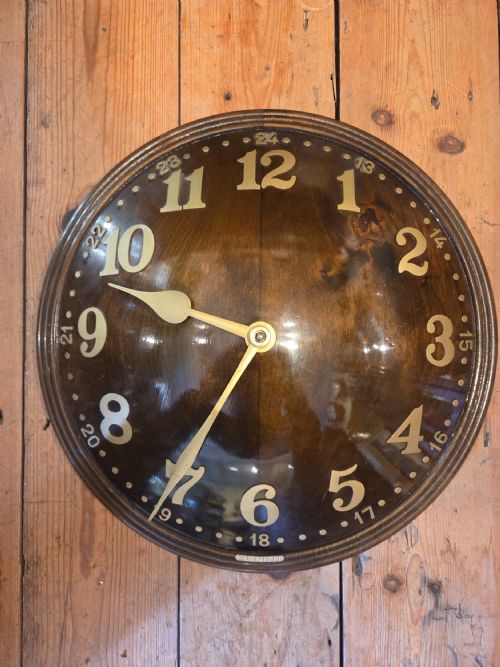
Convex glass wall art pieces are striking nineteenth-century and early twentieth-century framed optical curiosities that capture light and transform interiors.
Convex Glass Wall Art
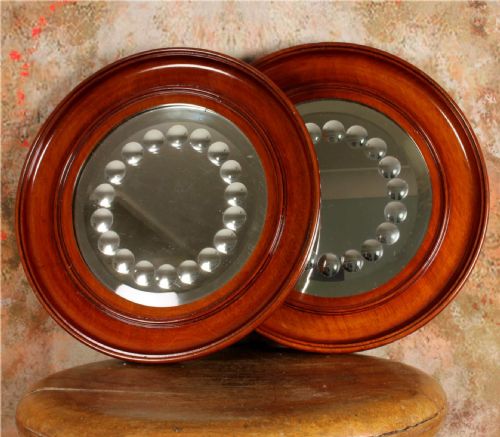
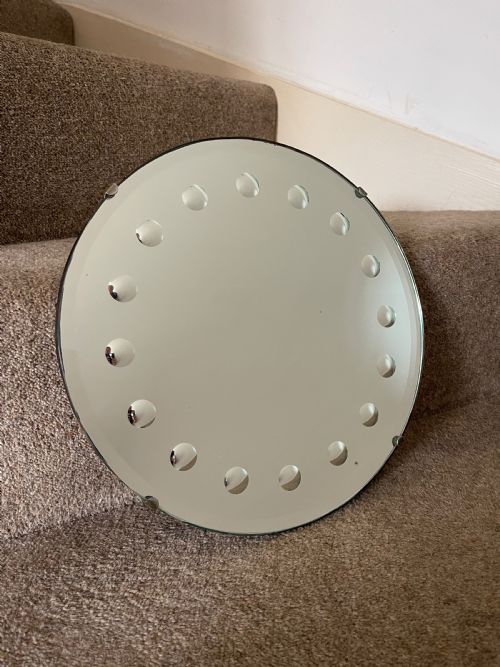
When you search for convex glass wall art, you encounter nineteenth-century and early twentieth-century decorative objects including sorcerer's mirrors, witch's mirrors, and framed dome fronted prints. These items span Victorian, Edwardian, and Art Deco styles, with Victorian examples appearing frequently across the selection.
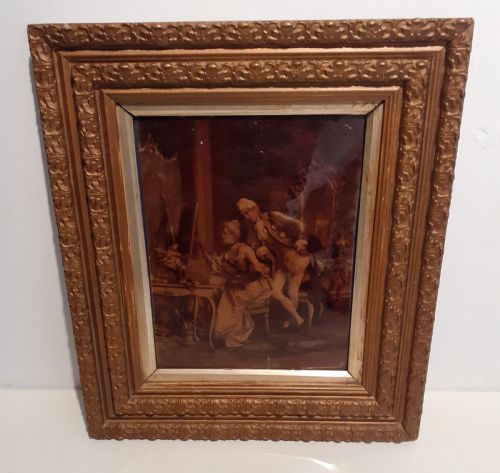
The primary forms on this page divide between reflective convex glass mirrors and layered painted prints known as chrystoleoms. You find round and oval wall art pieces housed in ornate giltwood, mahogany, or plain wooden frames.
Origins represented in the evidence include English and French pieces, capturing portrait subjects such as Egyptian revival ladies and classical beauties. The wall art category encompasses wall mirrors, framed pictures, and reverse glass painted prints.
How convex glass wall art was made
Maker techniques rely heavily on blown glass and mirror plate curved outward to distort and gather reflections across the room. Frames are constructed from wood, mahogany, and gilt wood or giltwood, often featuring elaborate moulding.
Chrystoleoms utilise paper prints placed behind convex glass, hand-painted with oil pigment, and made transparent with oils or varnishes to achieve depth. The dome fronted glass protects the delicate coloured pigments underneath.
Convex Glass Wall Art Retail Price Guide 2026
Typical asking prices for convex glass wall art among the pieces listed under this phrase on Sellingantiques today, from the lower quarter to the upper quarter. They describe what is for sale here now, not the wider market.
Listings feature periods spanning from eighteen-ninety through the nineteen-twenties, incorporating Victorian and Edwardian aesthetics.
What varies in quality
The standard of framing distinguishes fine examples from simpler production, particularly where heavy ornate giltwood and carved mahogany surround the curved glass. Intricacy in the wooden frames and the depth of the gilding elevate the visual impact of the piece.
In chrystoleoms, the precision of the hand-painted oil pigment applied behind the reverse glass determines the refinement of the artwork. Clarity in the curved glass and preservation of the delicate interior paper prints dictate the overall integrity of the wall art.
Schweninger
The Convex Glass Wall Art Glossary
- Convex glass
- Curved glass projecting outward like a dome. This optical form gathers light and creates a wide-angle reflection of the surrounding interior.
- Chrystoleum
- A coloured painting on glass derived from a print. Workers applied oil pigments behind convex glass to create a layered, luminous portrait.
- Giltwood
- Wood coated with gold leaf or gilt paint. This finish highlights the decorative moulding of ornate antique frames.
- Sorcerer's mirror
- A convex mirror designed to reflect a distorted panoramic view. These circular mirrors were traditionally used as decorative optical novelties.
- Mezzotint
- A printmaking process producing tonal gradations. These prints often served as the base layers for hand-painted chrystoleoms.
Convex Glass Wall Art: Frequently Asked Questions
What is convex glass wall art?
Convex glass wall art comprises nineteenth-century mirrors and dome-fronted pictures featuring outward-curving glass panels. These pieces include sorcerer's mirrors and hand-painted chrystoleoms.
They serve as decorative optical wall pieces designed to catch and reflect light within Victorian and Edwardian interiors.
How do you hang them safely?
These pieces require secure wall fixings suited to the weight of solid wood or giltwood frames. Because many contain delicate curved glass or layered paper prints, stable placement away from heavy vibrations is essential.
Ensuring the hanging wire and wall hooks match the substantial nature of nineteenth-century frames protects the artwork.
What periods do these pieces come from?
The available selection spans the nineteenth century through the early twentieth century, specifically covering Victorian, Edwardian, and Art Deco eras. Dates in the evidence range from eighteen-ninety through nineteen-twenty.
Victorian pieces form a large portion of the inventory, including revival styles such as Egyptian revival and Rococo revival.
What is a chrystoleom painting?
A chrystoleom is a nineteenth-century picture created by placing a paper print behind convex glass and applying oil pigments by hand. The paper was often made transparent with oil to let light illuminate the colours.
Subjects typically included portraits of ladies, beauties, and historical figures framed in ornate oval wood or gilt surrounds.