
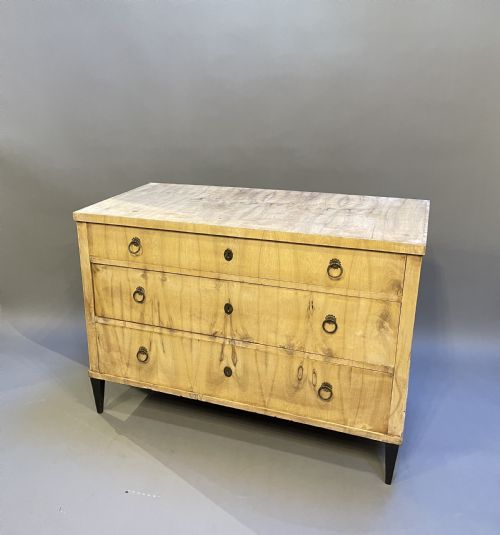
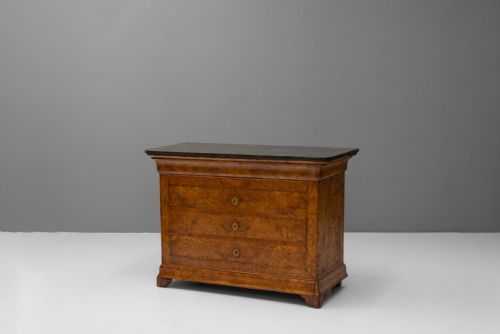
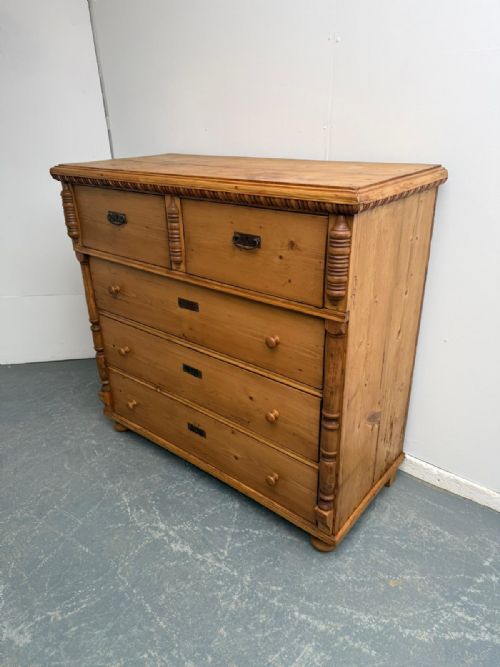


Continental Three Drawer Commode
A continental three drawer commode is a statement storage piece defined by generous proportions and regional craftsmanship, prized for anchoring a traditional interior.
Continental Three Drawer Commode
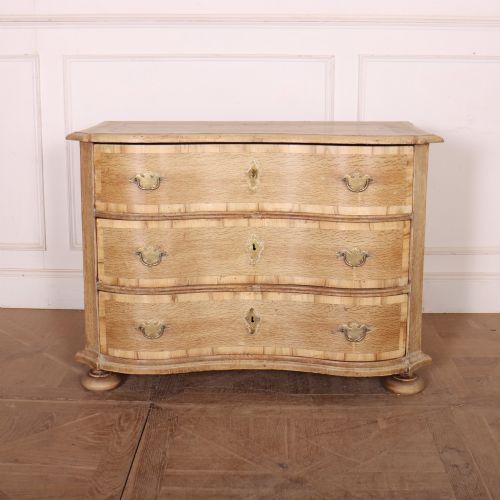
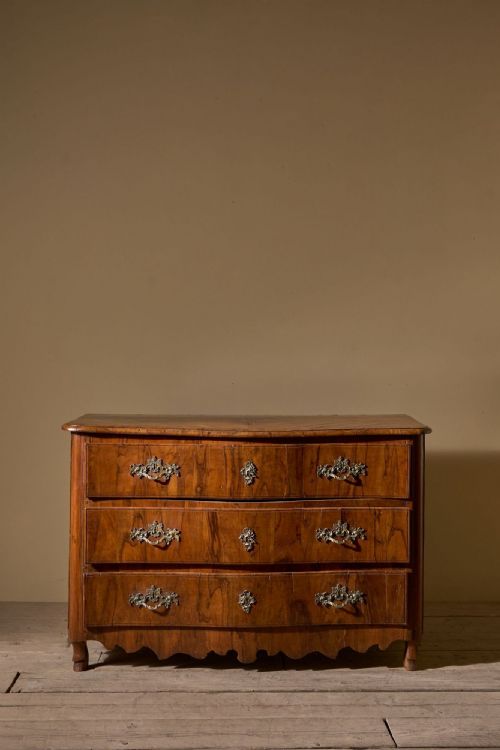
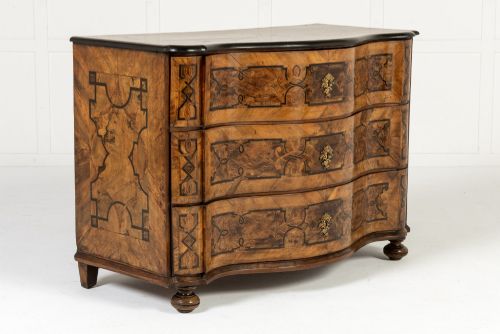
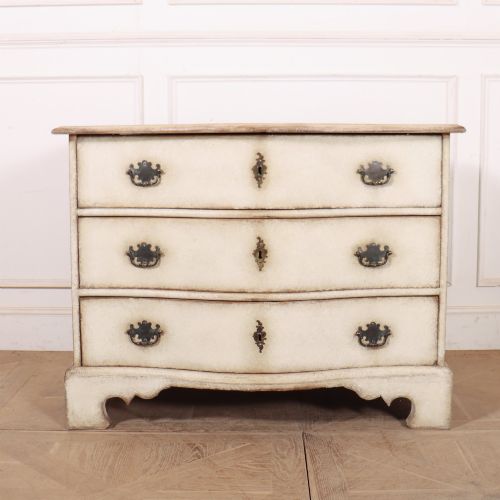
A continental three drawer commode brings substantial storage and distinct European character to a room, drawing on centuries of regional cabinet making traditions. You encounter these chests spanning periods from the eighteenth century through to the early twentieth century, reflecting varied aesthetics across Italy, Austria, Germany, France, and the Netherlands. The form primarily functions as a low chest of drawers, often topped with marble or shaped woodwork designed to command attention.
The versions most commonly met on this page range from eighteenth century walnut and oak pieces to later painted and marble topped examples. Regional styles include Italian and Austrian rococo, German baroque, and Dutch bombe profiles that curve outward with dramatic presence. These chests serve practical storage needs while displaying the characteristic silhouettes of their respective continental origins.
What varies in quality
The sophistication of the silhouette and the harmony of the proportions largely determine the standing of a commode. Pieces featuring pronounced serpentine curves or complex bombe shaping demand advanced woodworking skill compared to straight-fronted chests. The choice of primary timbers and the execution of decorative inlay or painted surfaces further separate standard regional pieces from finer workshop productions.
The retention of original mounts, handles, and marble tops significantly influences the integrity of the piece. Subtle details in the carving of the drawer fronts and the precision of the joinery reveal the competence of the original maker. Surviving original surface finishes rather than later alterations maintain the historical character of the furniture.
Several chests wear their original painted coats with quiet pride, having dodged centuries of enthusiastic sanding.
The Continental Three Drawer Commode Glossary
- Bombe
- A bulging or swelling commode profile that curves outward on the front and sides, characteristic of advanced continental cabinet making.
- Serpentine
- A front contour characterised by a gentle wave shape, curving inward centrally and outward at the ends.
- Escutcheon
- A protective plate surrounding the keyhole of a drawer, frequently cast in brass to complement the wood tones.
- Veneer
- A thin layer of finer wood applied over a secondary timber base to create decorative grain patterns across the facade.
- Inlay
- A technique where contrasting woods or materials are inserted into recesses within the primary surface to form geometric or pictorial designs.
Continental Three Drawer Commode: Frequently Asked Questions
Where should I place a commode?
These low chests function effectively in hallways, living rooms, or bedrooms where surface space and storage are both required. Their decorative fronts allow them to stand against prominent walls as focal points.
Ensure the surrounding clearance accommodates the outward projection of serpentine or bombe shapes, particularly in narrower hallways or compact rooms.
How do I care for a marble top?
Wipe marble surfaces regularly with a soft, damp cloth and neutral soap to prevent staining from acidic substances. Avoid harsh chemical cleaners that can etch the polished stone finish.
Use protective coasters beneath glasses or decorative objects placed on the marble to guard against moisture rings and surface scratches.
What defines a bombe shape?
A bombe profile swells outward in a convex curve across both the front and the sides of the chest. This challenging form requires specialised joinery to bend wood or shape solid timber.
Originating in continental workshops, this silhouette maximises internal storage capacity while creating a strong sculptural presence.
How do I distinguish regional styles?
Regional characteristics appear in the choice of woods, such as olive wood in Mediterranean pieces or oak and walnut in Germanic versions. Painted finishes and specific rococo or baroque scrollwork point directly to the geographic origin of the workshop.
Examine the structural framing and secondary timbers inside the drawers for further clues regarding where the cabinet maker trained and worked.