




Continental Storage Drawers
Continental storage drawers encompass centuries of European cabinet-making, bringing varied timbers and regional forms to domestic interiors.
Continental Storage Drawers
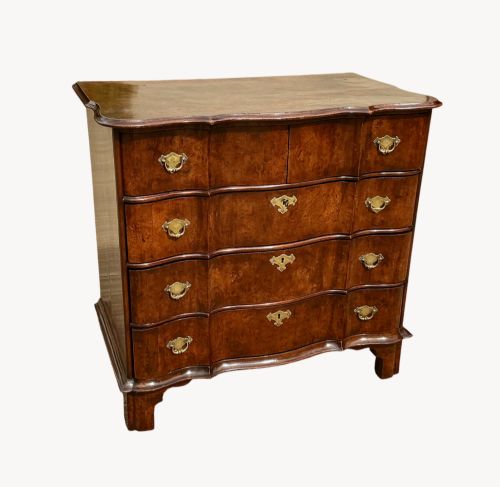
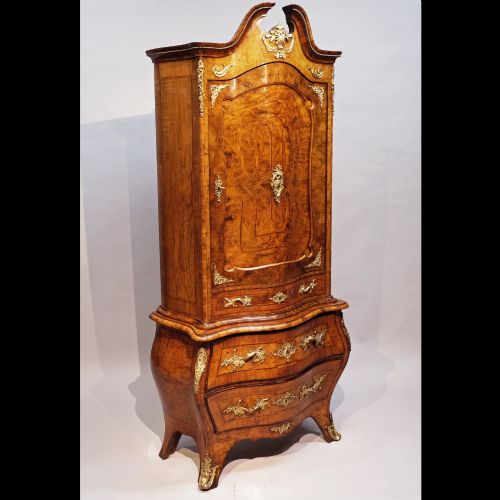
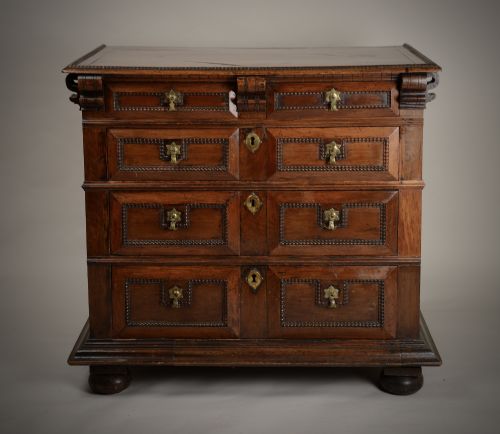
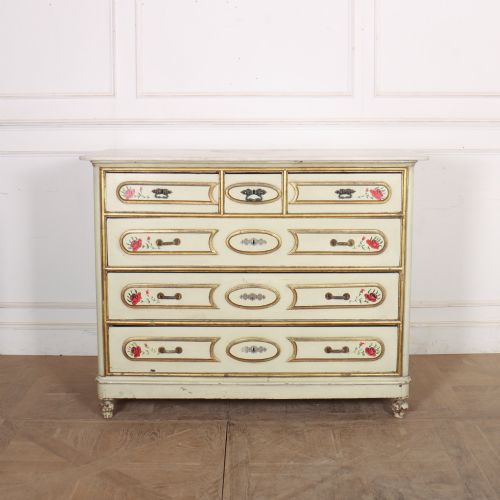
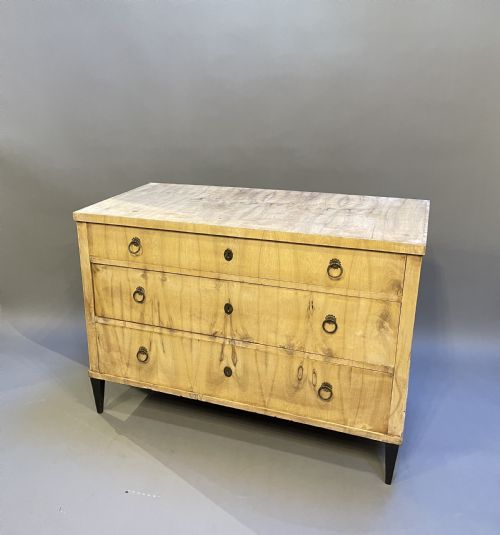
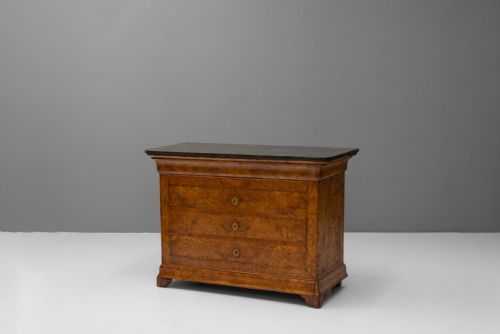
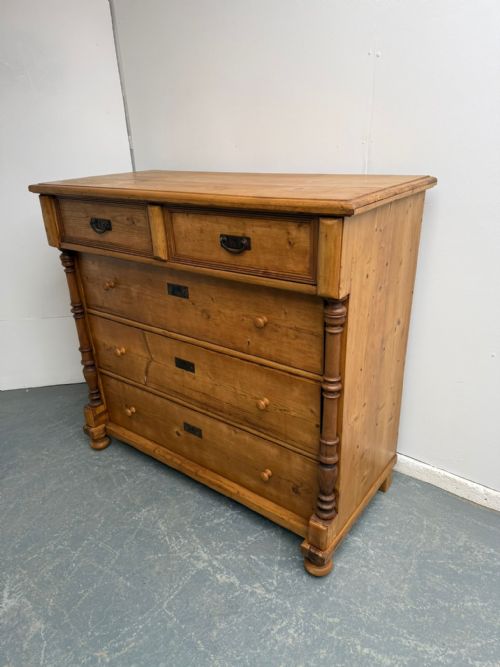
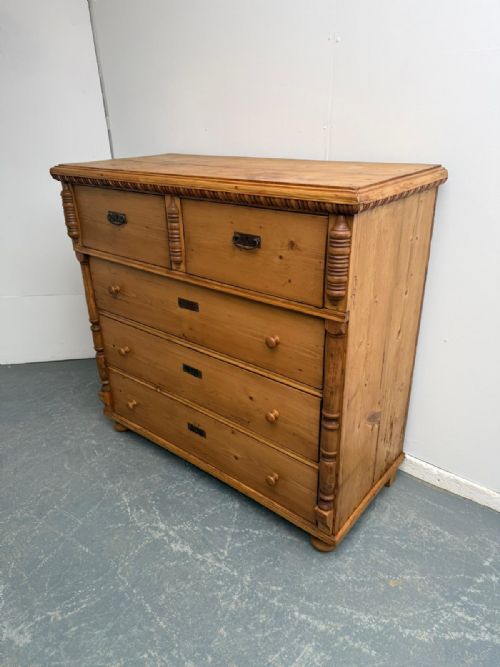
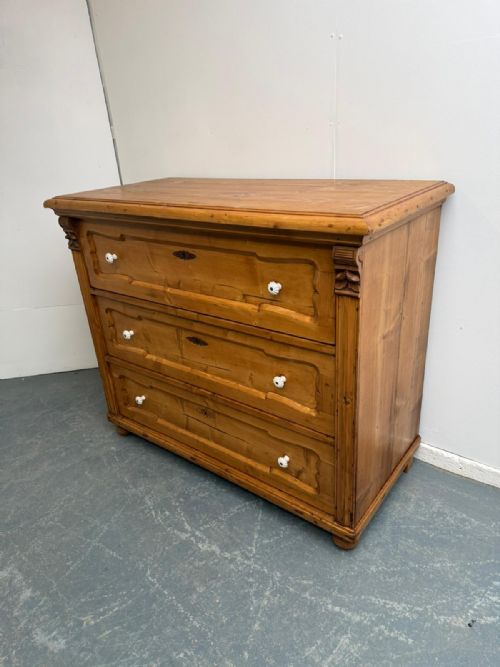
When you search for continental storage drawers, you encounter a diverse group of case furniture originating from workshops across Europe, predominantly taking the form of commodes and chests of drawers. These pieces date from the seventeenth century through to the early twentieth century, spanning periods such as the baroque, rococo, and Biedermeier. Regional differences define the selection, ranging from Dutch burr walnut examples to Hungarian pine chests and Italian painted commodes.
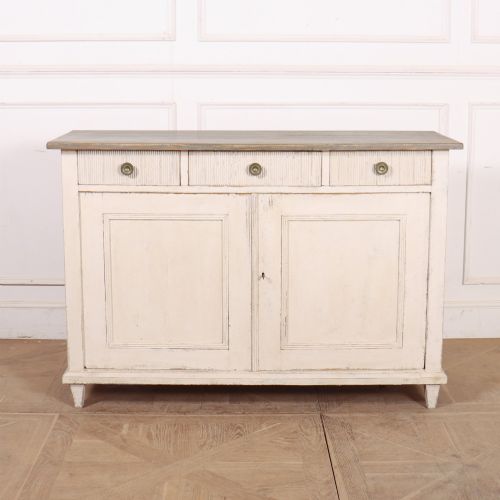
The objects served primarily to store garments and domestic linens, adapting their dimensions and drawer configurations to specific rooms and uses. You meet serpentine fronts, bombe shapes, and upright tall chests alongside low sideboards and cabinets. Walnut, pine, and oak form the structural basis of these pieces, often paired with decorative veneers or painted surfaces.
Materials and construction methods
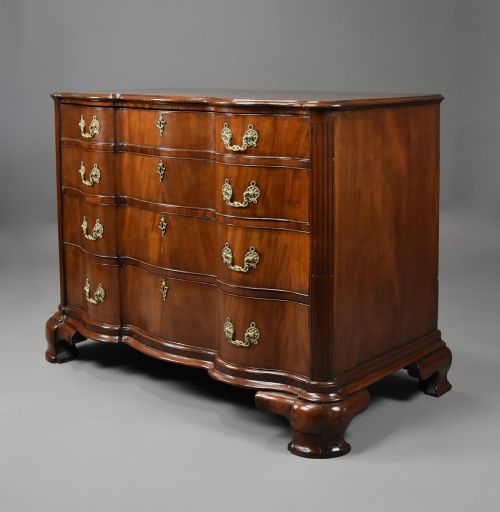
Cabinet-makers relied heavily on timbers like walnut, pine, oak, and birch, selecting burr walnut and mahogany for decorative external surfaces. These woods were worked into curved serpentine and bombe contours, demanding considerable skill in shaping solid timber and applying matching veneers.
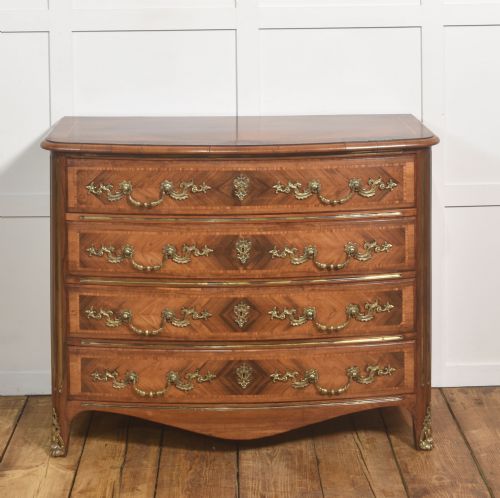
Surface treatments varied from waxed pine and polished walnut to elaborate marquetry inlay and hand-applied paintwork. Brass handles and escutcheons, alongside occasional marble tops, completed the construction of these regional European pieces.
Current listings feature continental storage drawers spanning the seventeenth to the twentieth centuries, utilising walnut, pine, oak, birch, and marble.
Distinctions in craftsmanship
The standard of a piece rests on the precision of its joinery and the selection of its timbers, particularly in how veneers match across drawer fronts and curved carcases. Finer examples display meticulous attention to interior construction and the fluidity of carved or shaped outlines.
Painted finishes and marquetry work show distinct tiers of execution, ranging from simple regional decoration to intricate, multi-wood pictorial designs. The integration of mounts in brass or ormolu further separates standard utility pieces from high-status workshop production.
The Continental Storage Drawers Glossary
- Commode
- A low chest of drawers, originating in France and widely adopted across European workshops during the eighteenth and nineteenth centuries.
- Bombe
- A bulging, outward-curving chest profile characteristic of continental baroque and rococo furniture. This swelling shape requires advanced woodworking techniques to construct.
- Marquetry
- The art of applying decorative veneer pieces in geometric or pictorial patterns onto a carcase. Craftsmen used various woods to achieve tonal contrast.
- Biedermeier
- A central European style spanning the nineteenth century, focusing on clean lines, blonde woods, and minimal ornamentation. These pieces highlight natural wood grain over carved decoration.
- Serpentine
- A front contour characterised by a central concave curve flanked by two convex curves. This undulating shape appears frequently on eighteenth-century commodes.
Continental Storage Drawers: Frequently Asked Questions
Where were continental storage drawers typically used?
These pieces functioned primarily in domestic bedchambers, withdrawing rooms, and grand halls across various European regions. They held textiles, linens, and personal garments.
Craftsmen tailored the dimensions and decorative finish to suit the status of the room and the preferences of the household.
How do I identify a Biedermeier chest?
Biedermeier pieces date from the nineteenth century and generally feature light-coloured timbers like birch or figured walnut. The designs emphasise unadorned surfaces and structural harmony.
These chests rely on the natural grain of the wood for visual effect rather than heavy carving or complex inlay.
What is the difference between a commode and a standard chest?
A commode is typically a low, decorative chest of drawers with European origins, often featuring shaped fronts or marble tops. Standard chests of drawers may follow simpler, more utilitarian upright forms.
Regional cabinet-makers used the term commode to denote finer pieces intended for public rooms rather than private chambers.
How should I care for a waxed pine or walnut chest?
Maintain these wooden surfaces by applying appropriate beeswax polish periodically and avoiding direct sunlight or excessive moisture. Keep the furniture in rooms with stable humidity to prevent timber movement.
Gentle dusting with a soft cloth preserves the original patina and finish over time.