




Continental Storage Box
Continental storage box designs span rustic pine marriage chests and inlaid walnut coffers crafted for practical utility and regional display.
Continental Storage Box
A continental storage box serves as a utilitarian container originating from various European regions, encompassing forms such as marriage chests, blanket chests, and table cabinets. These pieces function primarily to secure garments, documents, or household goods while reflecting the distinct stylistic traditions of their makers.
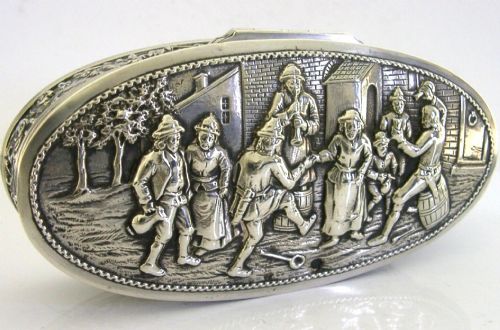
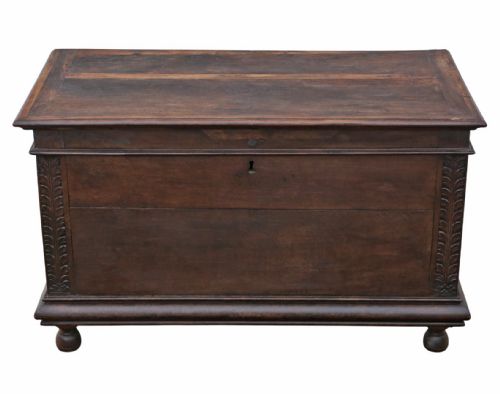
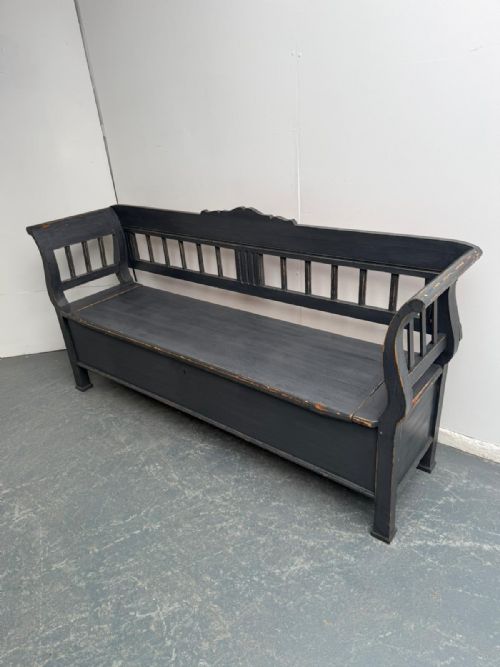
The selection on this page ranges from 16th-century walnut coffers to 19th-century painted pine examples, alongside benches incorporating storage and specialised small boxes. Buyers encounter items linked to specific localities like Austria, Hungary, Spain, and the Netherlands.
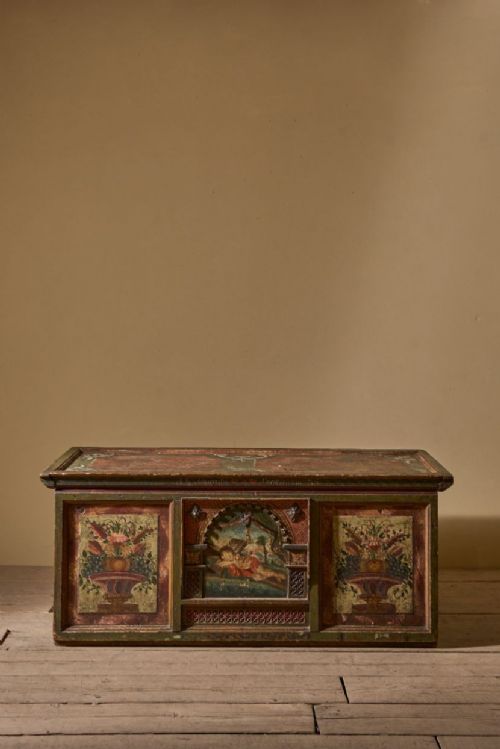
Painted pine and solid walnut dominate the configurations, frequently displaying folk art decoration, hand-forged iron strapwork, or intricate inlay work. These domestic items bridge the gap between heavy structural furniture and decorative regional craft.
How they were made
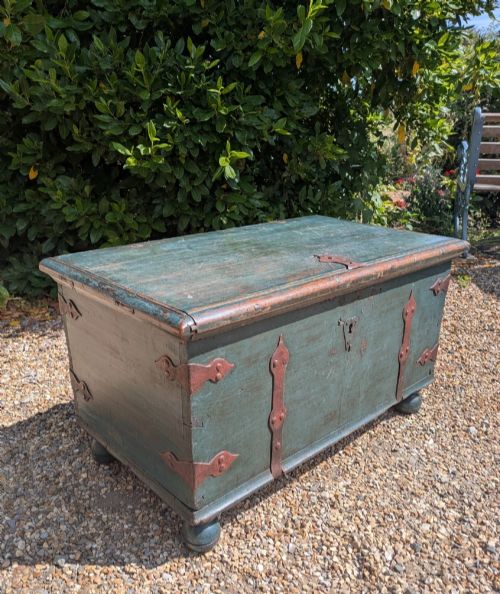
Construction relies heavily on durable timber species such as pine, oak, walnut, and chestnut, often joined using traditional methods suited to heavy daily use. Many examples incorporate hand-forged iron strapwork or hinges to reinforce the corners and lids of large chests.
Surface treatment defines the character of these pieces, utilising applied pigments, oil paints, or natural polishing on hardwoods like walnut and kingwood. Painted examples frequently feature floral motifs or regional folk patterns applied directly to the timber.
Listings span multiple centuries from the 16th to the 20th, incorporating materials such as pine, walnut, iron, and paint.
What varies in quality
Quality in a continental storage box rests on the integrity of the original construction and the preservation of its surface finish, whether that involves untouched painted pigments or aged walnut grain. Pieces featuring original hand-forged ironwork and intact structural joints command greater interest.
The sophistication of the decoration distinguishes standard utility pieces from finer examples, noting the distinction between simple regional folk art and complex profuse inlay or specialised cabinetwork.
The Continental Storage Box Glossary
- Cofer
- A large chest or box utilised for storing valuables, garments, or documents, typically constructed from heavy timber and reinforced with iron.
- Cassone
- A large Italian or continental chest, often elaborately carved or inlaid, traditionally used as a marriage chest for bridal linens.
- Strapwork
- Ornamental bands of metal, commonly iron or brass, applied across the exterior of a box to reinforce joints and provide surface decoration.
- Bentwood
- Wood that has been heated and bent into curved structural forms, utilised in specific smaller apothecary or storage boxes.
- Inlay
- A decorative technique where pieces of contrasting timber, such as ebony and kingwood, are inserted into the surface to create patterns.
Continental Storage Box: Frequently Asked Questions
What were continental storage boxes used for?
These boxes provided secure containment for household textiles, winter garments, and valuable documents within domestic interiors. Marriage chests specifically held the dowry linens accumulated by a bride before her wedding.
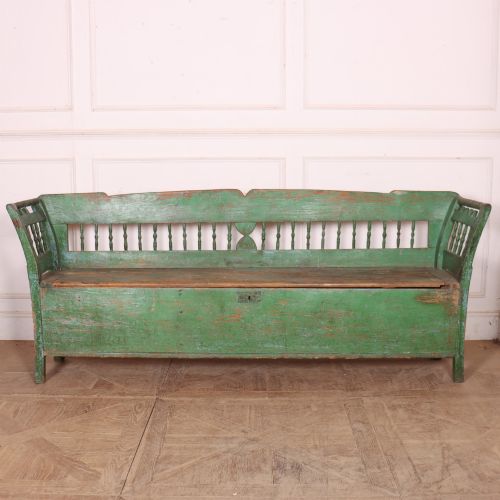
Larger coffers also doubled as seating benches or tables within modest farmhouses where multi-functional furniture was essential for daily living.
How do I identify the period of a chest?
Dating relies on observing construction methods, timber choice, and stylistic motifs characteristic of specific centuries. Early pieces from the 16th and 17th centuries typically employ heavy walnut or oak with plain panel construction.
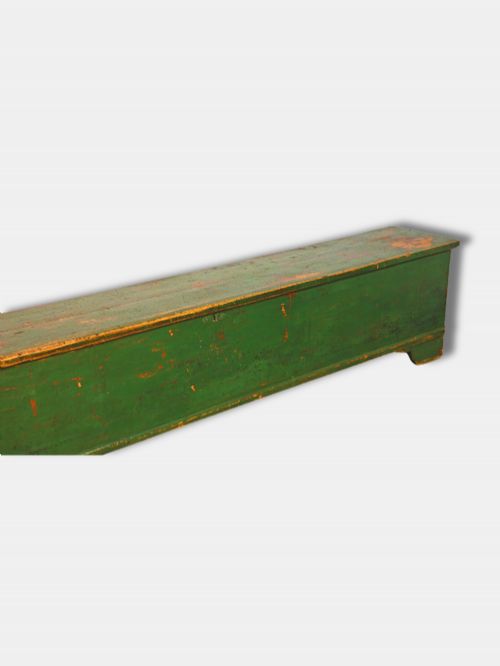
Later 19th-century examples often feature vibrant folk paintwork, pine construction, or decorative iron strapwork reflecting regional rural traditions.
Are painted finishes usually original?
Many surviving pieces retain their original pigment or layered paint schemes applied during manufacture, though surfaces frequently show age-related wear. The presence of craquelure, underlying timber oxidation, and consistent wear patterns help indicate historical paint.
Careful inspection reveals whether decorative floral motifs or regional patterns belong to the period of the box's creation.
How do I care for antique wood and iron?
Maintenance involves keeping timber pieces away from direct heat sources and sudden humidity changes to prevent warping or splitting. Gentle dusting with a dry cloth preserves the aged patina of both painted surfaces and exposed hardwoods.
Iron strapwork benefits from light cleaning to remove surface dust without disturbing the dark, aged finish of the metal.