

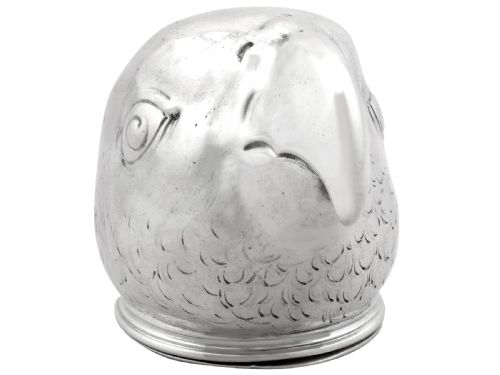


Continental Silver Snuff Box
A continental silver snuff box brings tactile history to the pocket, offering miniature metalwork from European workshops.
Continental Silver Snuff Box
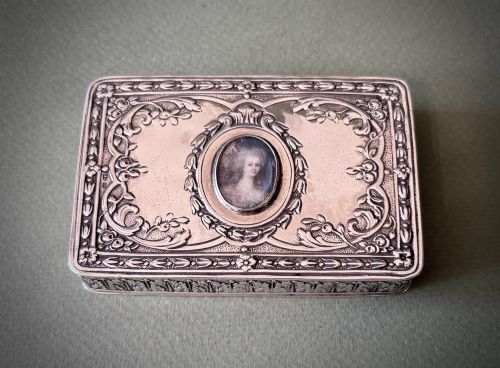
The selections available here predominantly span the nineteenth century and the early twentieth century, including Edwardian and Victorian iterations. Alongside standard snuff boxes, the category encompasses larger desk boxes, card cases, and decorative pots.
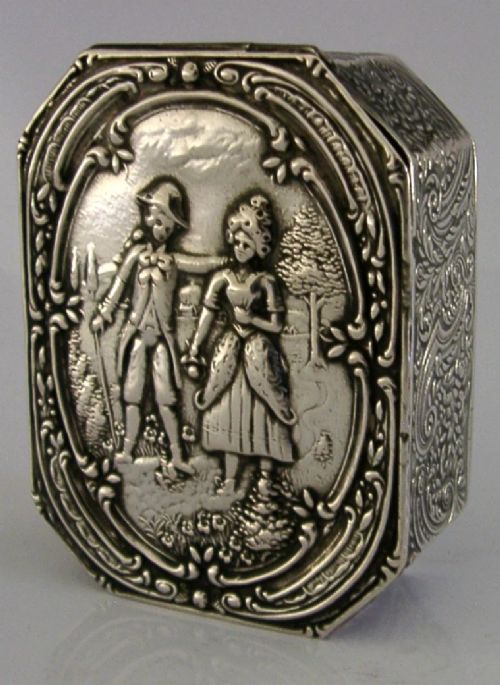
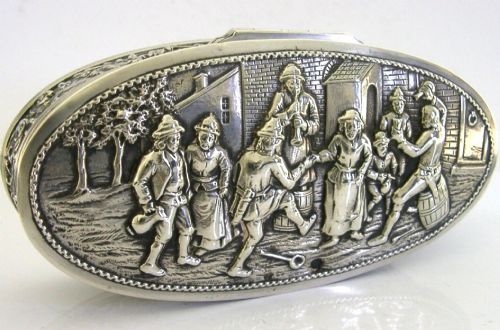
Origins stretch across various European centres, with specific representation from German Hanau makers and Dutch silversmiths. Forms vary from straightforward oval and rectangular pocket boxes to sculptural novelties like fish and parrots.
How they were made
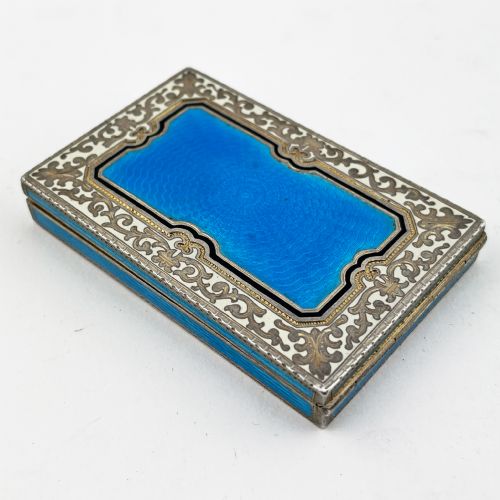
Silversmiths utilised solid silver, sterling silver, and German silver alongside specialist materials such as vitreous enamel, glass, and agate. Metal components were frequently shaped and engraved by hand, incorporating gilt interiors to protect the silver from tobacco corrosion.
Construction techniques involved hinged lids, articulated mechanical bodies on novelty animal pieces, and detailed surface decoration featuring floral scenes. Artisans applied traditional metalworking methods, combining cast elements with chased or engraved sheet silver.
Continental Silver Snuff Box Retail Price Guide 2026
Typical asking prices for continental silver snuff box among the pieces listed under this phrase on Sellingantiques today, from the lower quarter to the upper quarter. They describe what is for sale here now, not the wider market.
Some fish boxes feature fully articulated scales and hinged heads designed to gape open.
What varies in quality
Quality rests upon the crispness of the chasing, the precision of the hinge work, and the complexity of the form. Standard pocket containers rely on surface engraving, whilst superior examples feature multi-part articulated bodies or intricate vitreous enamel panels.
The weight and gauge of the metal dictate the substance of the piece, distinguishing heavy desk boxes from lighter pocket wares. Preservation of original gilding inside and the clarity of European marks further define the standing of individual examples.
The Continental Silver Snuff Box Glossary
- Hanau silver
- Refers to items produced by silversmiths in the German town of Hanau, known for historical revival pieces. These works often emulate earlier styles such as Rococo revival.
- German silver
- An alloy of copper, nickel, and zinc containing no actual silver, despite the traditional name. It provides a durable base for decorative metalware.
- Vitreous enamel
- A material made by fusing powdered glass to a metallic substrate through firing. This technique adds vibrant colour and smooth panels to the box exterior.
- Gilt interior
- A gold wash applied to the inside surface of a silver container. This coating prevents the silver from tarnishing when exposed to acidic contents like tobacco.
- Articulated body
- A construction method where sections of an animal or fish form are hinged together to allow movement. It demonstrates advanced metalworking skill in novelty pieces.
Continental Silver Snuff Box: Frequently Asked Questions
What were continental silver snuff boxes used for?
These containers were designed to hold powdered tobacco, known as snuff, which gained immense popularity across European polite society. Owners carried them in pockets for convenient access during social gatherings.
Over time, many of these small boxes transitioned into general receptacles for pills, cheroot storage, or personal trinkets. Their portable nature made them items of daily personal display as much as functional tools.
How do I identify a German Hanau piece?
German Hanau pieces often draw inspiration from historical styles, particularly Rococo Revival motifs, executed by specialist nineteenth and twentieth-century workshops. They frequently feature detailed chased decoration across the entire surface.
Examining the marks on the base helps confirm origin, as Hanau silversmiths often utilised pseudo-marks or specific town stamps. The weight and deep relief work also point towards this tradition.
What is the difference between silver and German silver?
True silver encompasses solid silver, sterling silver, and European continental grades like .800 silver, which consist of precious metal content. These materials develop a natural patina and carry intrinsic metal value.
German silver is a base metal alloy containing nickel, copper, and zinc, possessing a silvery appearance without any precious metal content. It was utilised as a sturdy alternative for decorative boxes and novelty items.
How should I care for an antique snuff box?
Maintenance requires gentle cleaning with a soft cloth to preserve the surface engraving and any original gilt interior without abrasive polishes. Avoiding harsh chemical dips protects delicate elements like vitreous enamel or glass panels.
Storage in a stable environment away from direct moisture helps prevent accelerated tarnishing. Handling the boxes with care ensures that delicate mechanical hinges and articulated joints remain functional.
Are novelty animal boxes rare?
Novelty animal boxes, such as fish with articulated bodies or parrot figures, represent a distinct subset of nineteenth-century decorative metalwork. They required specialist craftsmanship to ensure the moving parts functioned correctly.
While fewer novelty forms appear compared to standard geometric pocket boxes, they reflect a Victorian and Edwardian taste for whimsical utility objects. Their survival depends on the durability of the tiny hinges connecting the moving segments.