








Continental Painting
Continental painting encompasses works originating from European traditions outside Britain, prized for their rich palettes and historical depth.
Continental Painting
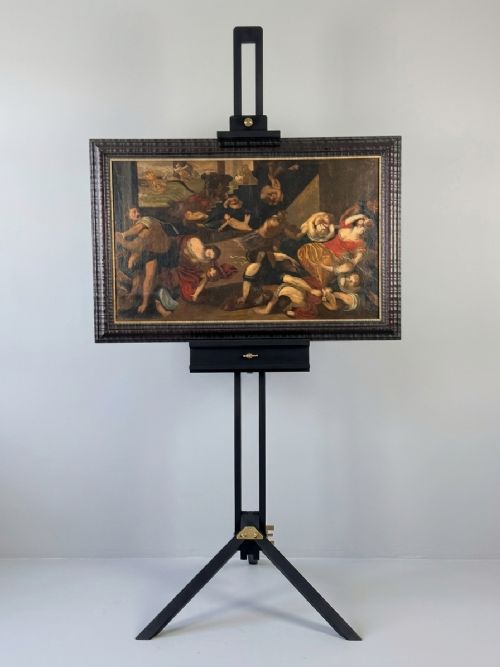
When searching for continental painting, buyers encounter works ranging from 17th-century oils on canvas to later landscape and portrait studies originating across Europe. The selection includes specific historical subjects, such as religious scenes, alongside decorative panels and portraits executed by continental schools.
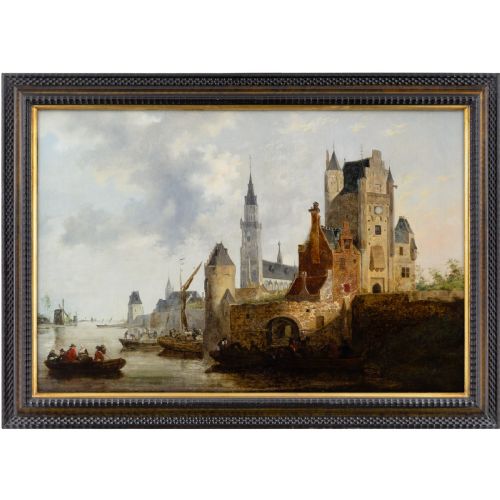
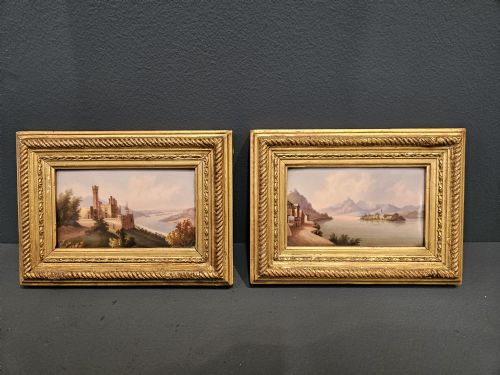
The most common examples on this page span the 17th, 18th, and 19th centuries, reflecting diverse regional aesthetics from Dutch landscapes to Italianate compositions. These works frequently incorporate traditional oil paint on canvas or panel, framed by the period styles of their origin.
Materials and construction
The physical foundation of these works typically relies on stretched canvas or wooden panels, prepared with gesso layers before the application of oil paint. Artists utilised natural pigments bound with oils to build deep, layered compositions that survive through centuries.
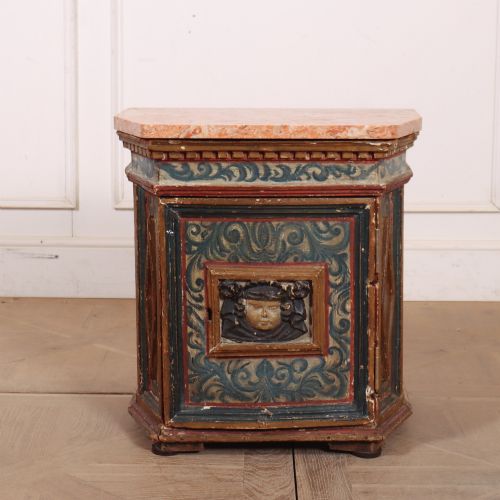
Framing and related decorative elements often employ carved wood, gold leaf, or hand-forged iron strapwork where paintings integrate with furniture or architectural woodwork. Surface treatments such as polychrome paint and protective varnishes safeguard the underlying pigment from environmental degradation.
Continental Painting Retail Price Guide 2026
Typical asking prices for continental painting among the pieces listed under this phrase on Sellingantiques today, from the lower quarter to the upper quarter. They describe what is for sale here now, not the wider market.
Listings feature works spanning the 17th, 18th, and 19th centuries, alongside pieces utilising oil paint, pine, and gold leaf.
Assessing quality and execution
The distinction between standard works and exceptional pieces lies in the sureness of the brushwork, the depth of the pigment layering, and the preservation of the original surface. Superior examples demonstrate a confident handling of light and shadow, particularly in regional portraiture and landscape studies.
Condition plays a defining role, with preference given to canvases retaining their original stretchers and unblemished paint layers free from heavy modern interventions. The harmony between the artwork and any associated period frame or integrated mounting further elevates the piece.
Volkstedt Rudolstadt Factory·Charles Euphraisie Kuasseg
The Continental Painting Glossary
- Oil on canvas
- A painting technique where pigments suspended in drying oils are applied to a woven fabric support. This method allowed artists to achieve subtle tonal gradations and rich textures.
- Polychrome
- Decorated or executed in several colours. This term frequently describes carved wooden religious figures and architectural elements retaining their historic painted surfaces.
- Continental school
- A broad classification for artworks produced by artists trained in mainland European traditions rather than British academies. It encompasses distinct regional movements from Dutch baroque to Italian landscape painting.
- Gesso
- A plaster mix used as a smooth base coat on panels or frames before painting or gilding. It provides a stable surface that accepts both oil paint and gold leaf.
Continental Painting: Frequently Asked Questions
How do I date an old canvas?
Dating relies on examining the weave of the canvas, the type of wooden stretcher used, and the chemical composition of the pigments. Nail types and framing methods also provide reliable chronological indicators.
Expert analysis often looks at the preparation layer beneath the paint and the natural ageing of the oil binders, which darken and crack in predictable patterns over centuries.
What is a continental school painting?
This term refers to artworks created by painters working within mainland European artistic traditions and academies. These pieces often reflect the specific stylistic traits of regions such as Flanders, Germany, or Italy.
Unlike British works of the same era, continental pieces frequently engage with distinct local religious, domestic, or landscape subjects characteristic of their specific geographical origin.
Where were these paintings displayed?
Historically, these works hung in European country houses, town residences, churches, and civic administrative buildings. Larger canvases often formed part of fixed wall panelling within grand reception rooms.
Smaller panels and portraits were typically displayed in private studies or domestic bedchambers, reflecting the intimate scale of many surviving continental works.