
Concealed Sword Cane
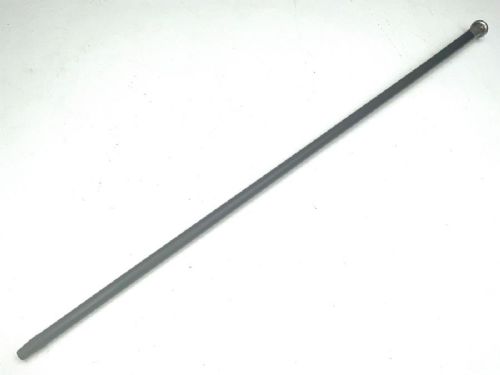
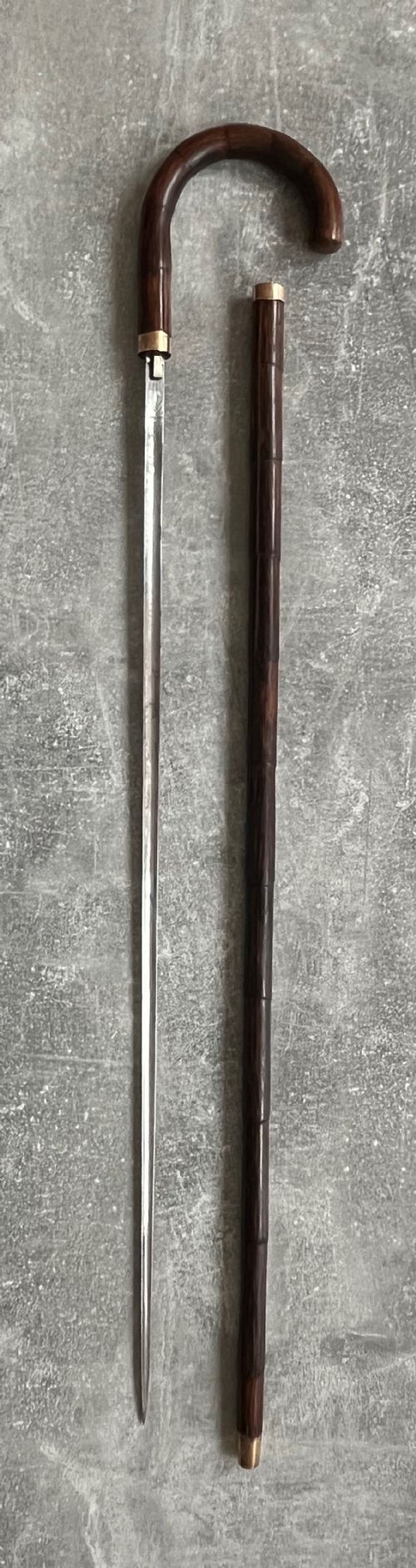
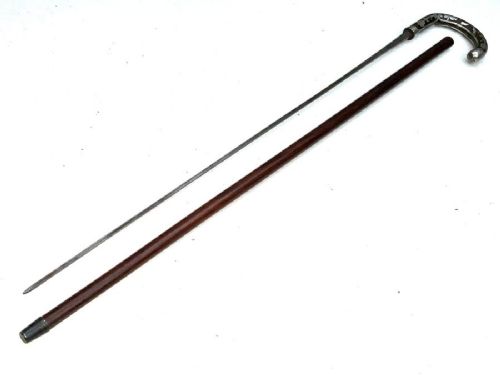
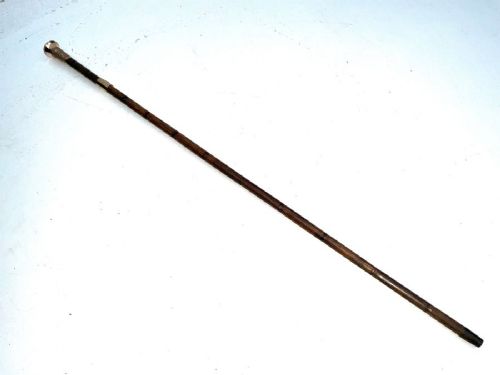
A concealed sword cane combines daily support with a hidden blade, appearing as an ordinary walking stick until released.
Concealed Sword Cane
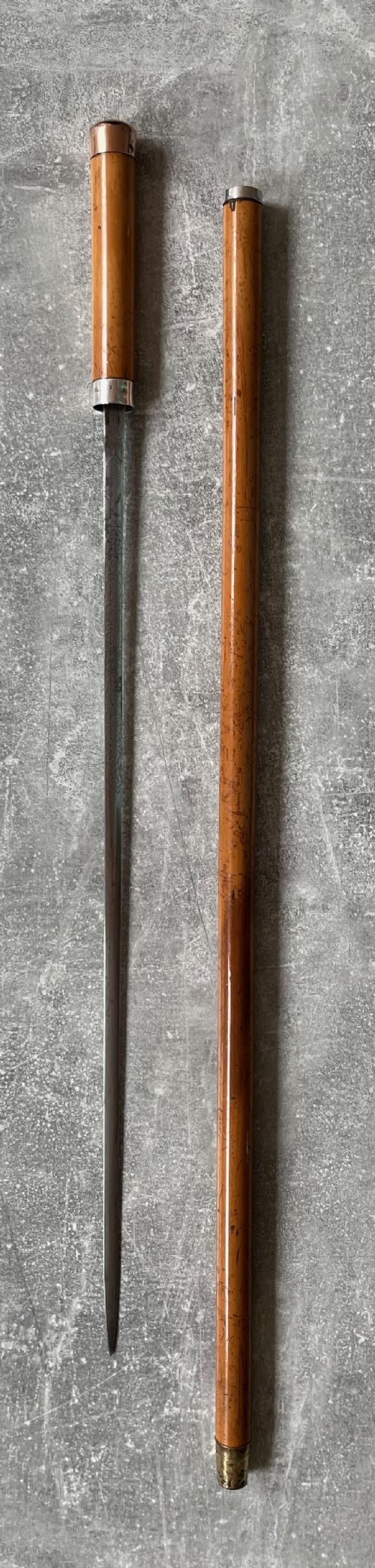
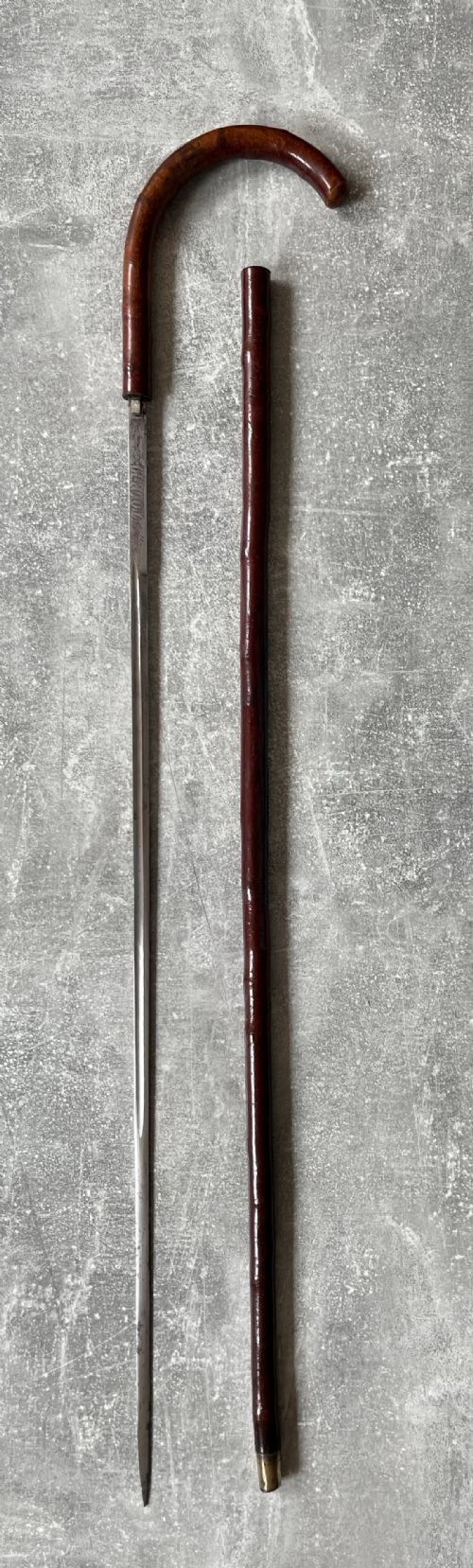
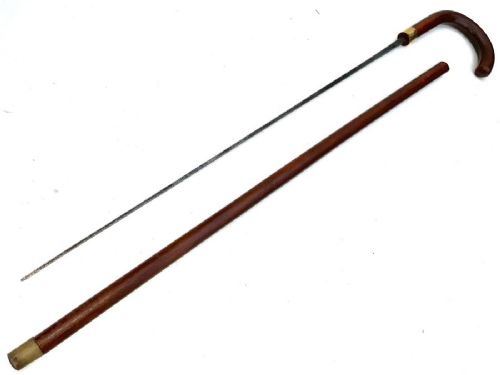
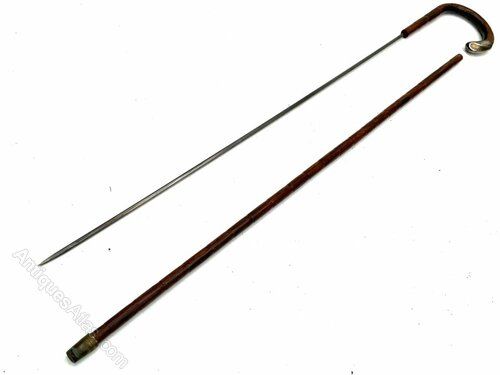
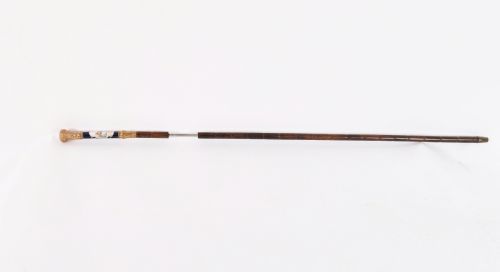
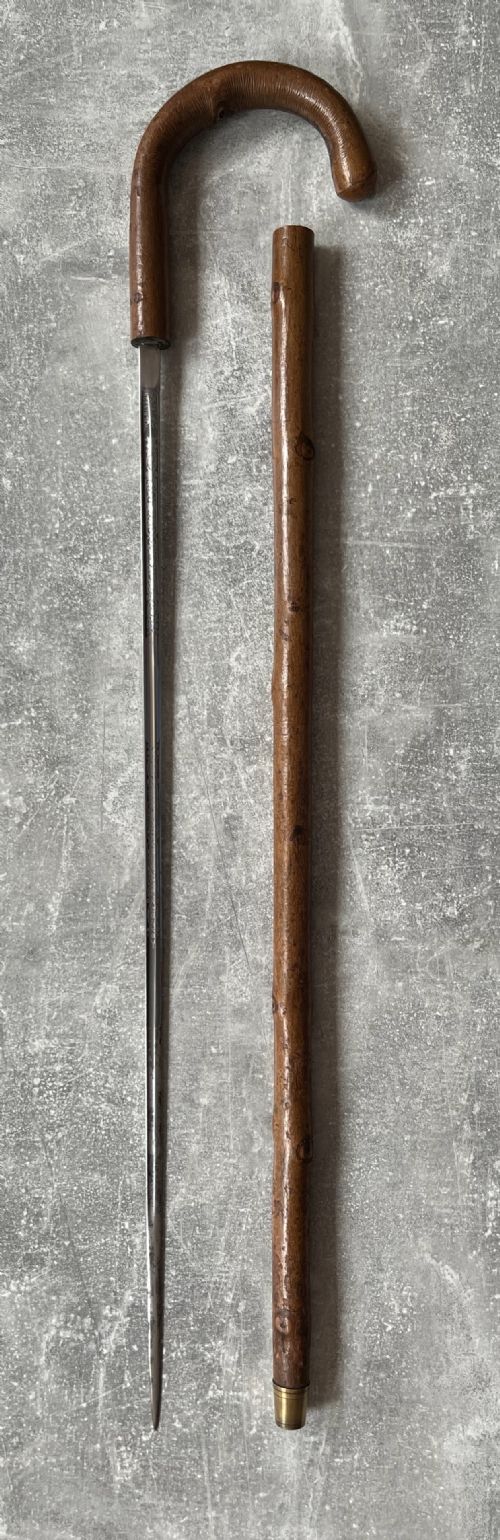
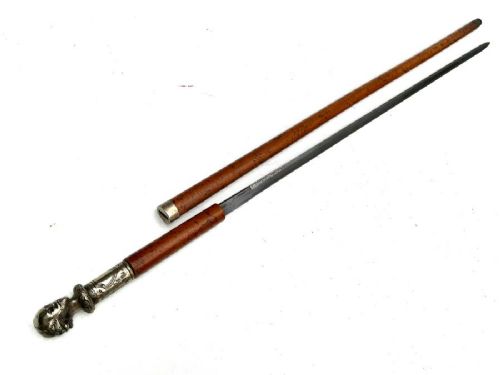
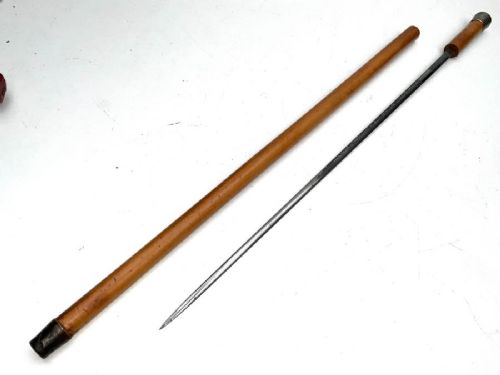
A concealed sword cane serves primarily as a walking stick while housing a hidden steel blade within its shaft. These pieces emerge predominantly from the Victorian, Edwardian, and nineteenth-century periods, spanning the 1880s through to the 1920s.
The common forms encountered here include gentleman's walking sticks, swagger sticks, and military officers' canes fitted with button releases or screw joints. Materials range from malacca cane and ebonised wood to partridge wood, cherrywood, and hazel.
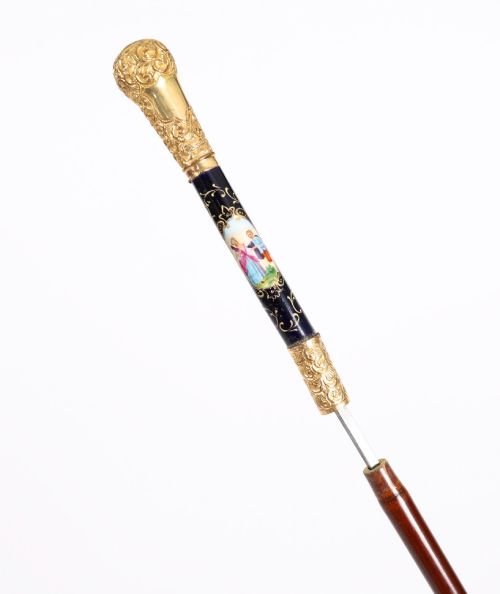
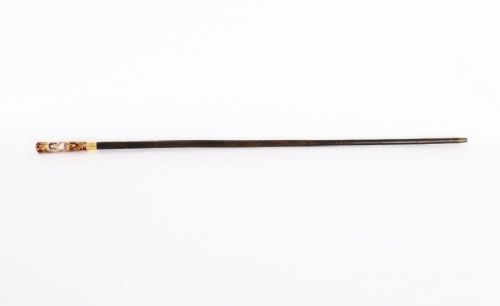
Makers and owners ranged from military regiments such as the 4th Battalion Grenadier Guards to civilian gentlemen commissioning pieces with masonic emblems, gold plate, or Sevres porcelain mounts.
Materials and Construction
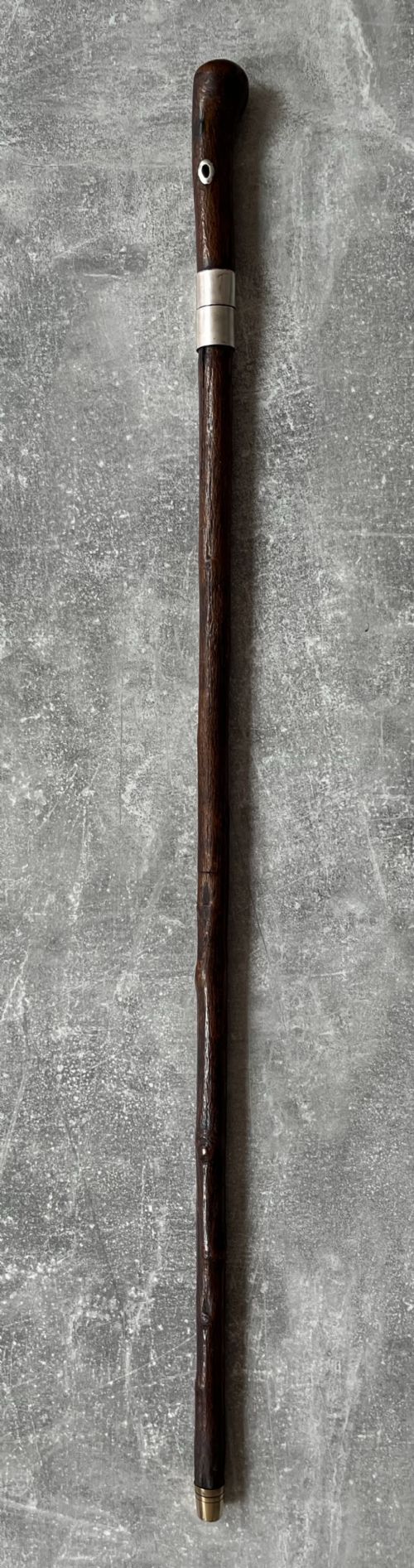
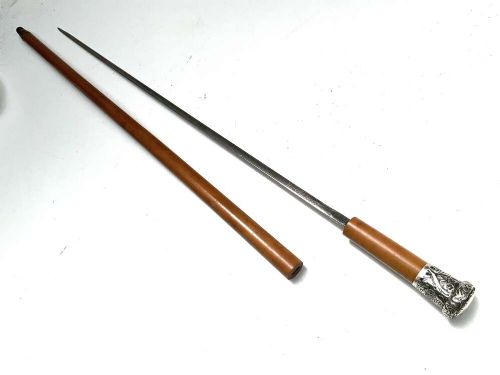
The outer shafts utilise natural woods and canes like malacca, bamboo, partridge wood, holly, and blackthorn, often paired with silver collars, horn handles, or bone knops. Ebonised wood and faux bamboo provide alternative textural finishes.
Internal blades are forged from steel, frequently bearing Toledo signatures or etching, and secured within the wooden housing by button releases or threaded collars to maintain a seamless exterior.
The periods represented span from the late nineteenth century, through Victorian and Edwardian eras, up to the 1920s.
Assessing Quality and Craftsmanship
Quality reveals itself in the precision of the join between the handle and the shaft, where superior examples close flush without visible seams or wobble. The rigidity and balance of the internal steel blade further distinguish fine pieces from basic utility items.
Materials dictate the upper tier, with mounted silver, gold plate, and painted Sevres porcelain or carved horn handles marking out bespoke commissions from standard production walking sticks.
Brigg·Wilkinson
The Concealed Sword Cane Glossary
- Malacca cane
- A resilient tropical rattan stem known for its mottled brown surface and jointed nodes. It forms the flexible yet sturdy body of many traditional walking sticks.
- Toledo blade
- A steel sword blade originating from the Spanish city renowned for weapon smithing. These blades are often etched and prized for their temper.
- Swagger stick
- A short, slender walking stick carried by military officers. They frequently conceal thin blades or serve as ceremonial symbols.
- Knop
- A rounded knob or ornamental handle at the top of a walking stick. These elements are carved from bone, horn, or porcelain.
- Ebonised wood
- Timber treated to imitate ebony. This process darkens common woods to a deep, uniform black finish.
Concealed Sword Cane: Frequently Asked Questions
What is a concealed sword cane?
A concealed sword cane is a walking stick containing a hidden steel blade within its hollow shaft. The blade remains secured until released by a button or screw mechanism.
Historically carried by gentlemen and military officers, these pieces functioned both as daily walking aids and personal defence tools.
How do I open a sword stick?
Most pieces release via a small push button near the collar or through a threaded screw joint that unscrews the handle from the shaft. Pulling the handle straight out reveals the concealed blade.
Care should be taken when handling older release mechanisms to avoid damaging the internal wooden channels.
What materials were used for these canes?
Shafts are constructed from natural timbers and canes such as malacca, partridge wood, hazel, cherrywood, and ebonised wood. Handles and collars incorporate silver, gold plate, bone, horn, and Sevres porcelain.
Blades inside are invariably made of steel, sometimes marked as Toledo steel or produced by makers like Wilkinson.
How do I date an antique sword cane?
Dating relies on style markers, period materials, and any hallmarked silver collars or military associations present on the piece. Victorian and Edwardian examples often feature specific wood choices and manufacturing styles common to the late nineteenth and early twentieth centuries.
Masonic symbols and regalia also help place certain specimens within specific decades like the 1890s or 1920s.