
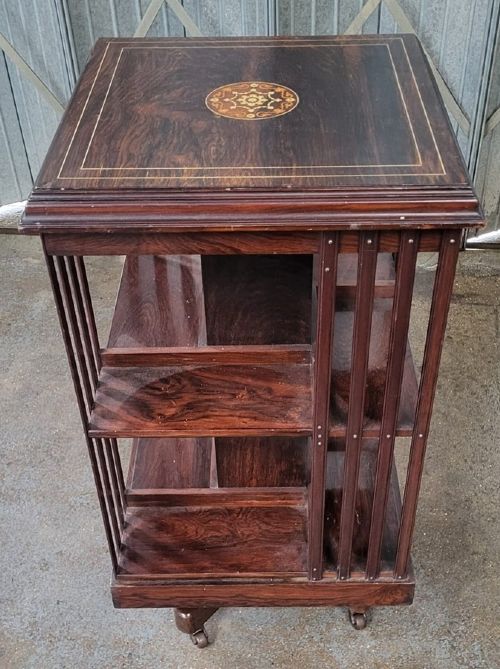
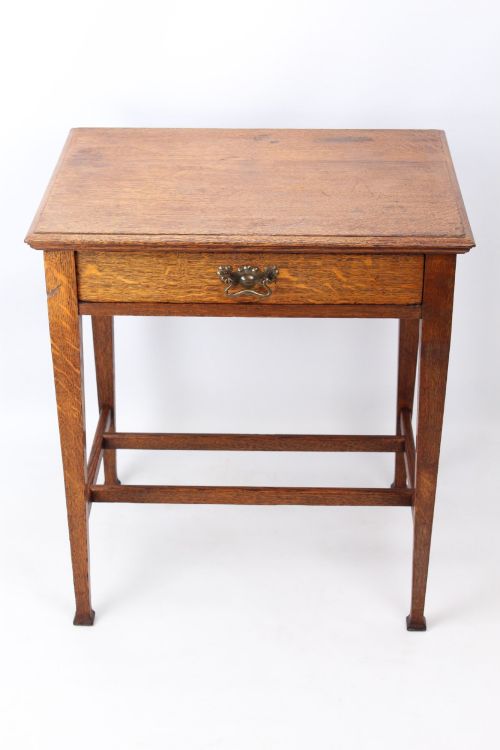
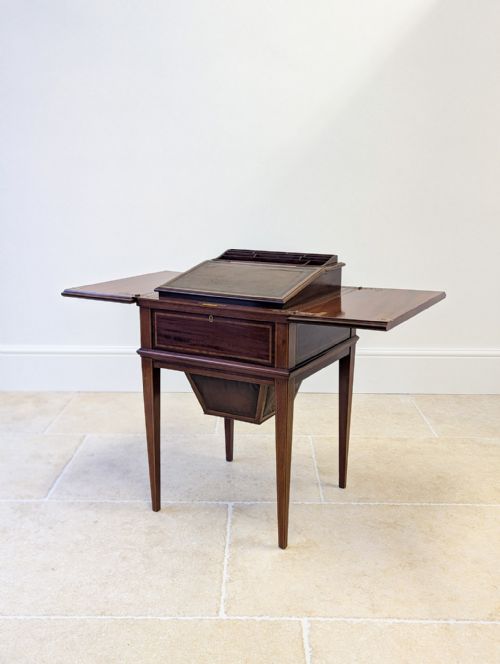
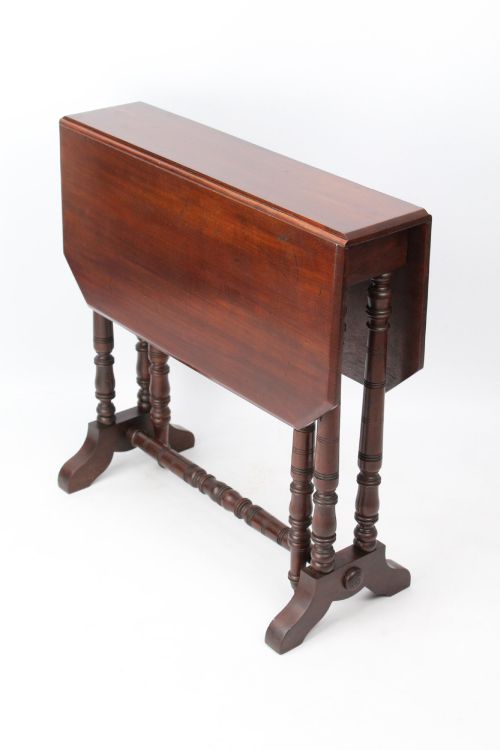
Compact Side Tables
Compact side tables offer practical surfaces in smaller rooms, bringing together period timbers and folding leaves to solve space problems.
Compact Side Tables
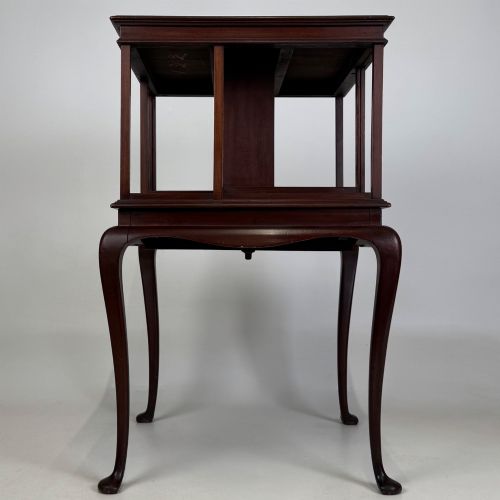
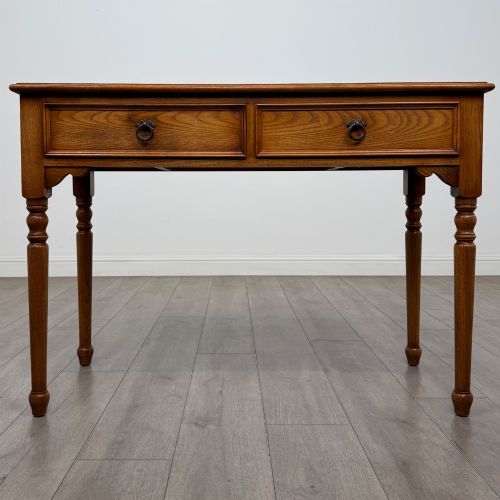
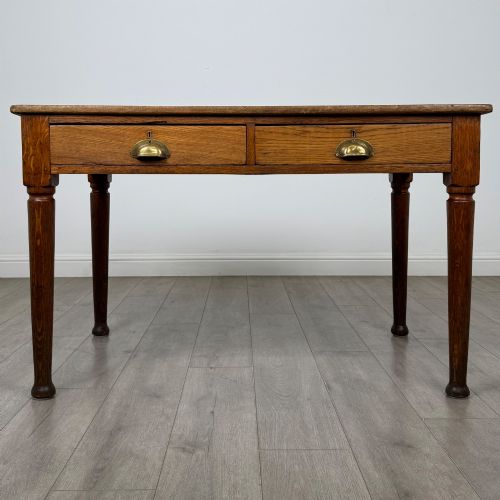
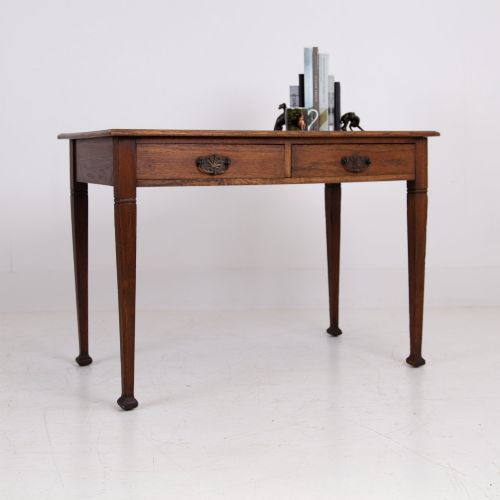
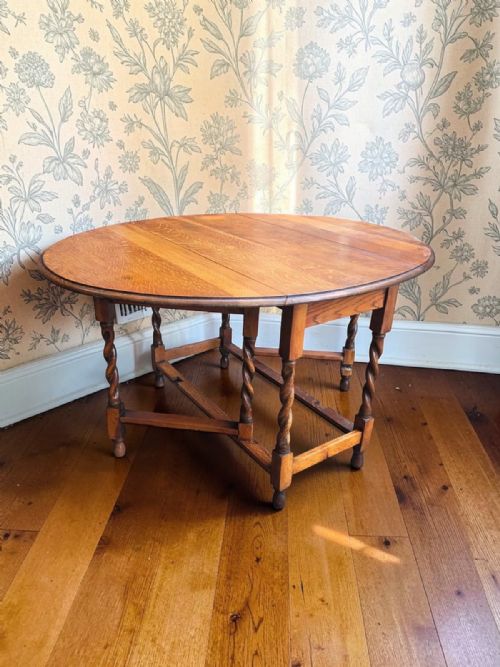
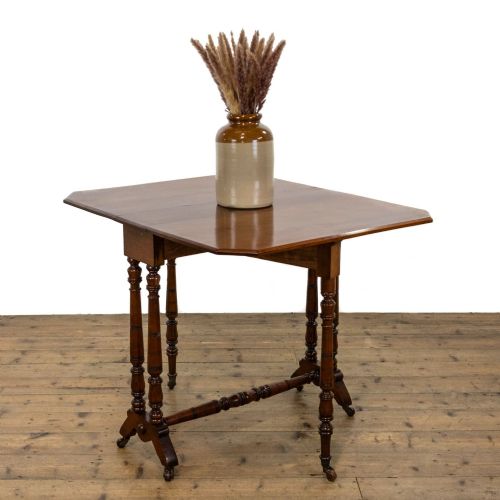
Compact side tables emerge in various forms across the Victorian, Edwardian and earlier periods, including Sutherland tables, gateleg tables, drop-leaf tables and writing desks. Buyers seeking these pieces encounter items designed to tuck into corners or sit beside seating without dominating a room.
The selection ranges from small oak gateleg tables dating back to the seventeenth century up to walnut, mahogany and rosewood examples from the nineteenth and twentieth centuries. These occasional pieces served utilitarian purposes in period homes, functioning as surfaces for books, writing or tea.
Materials and Construction
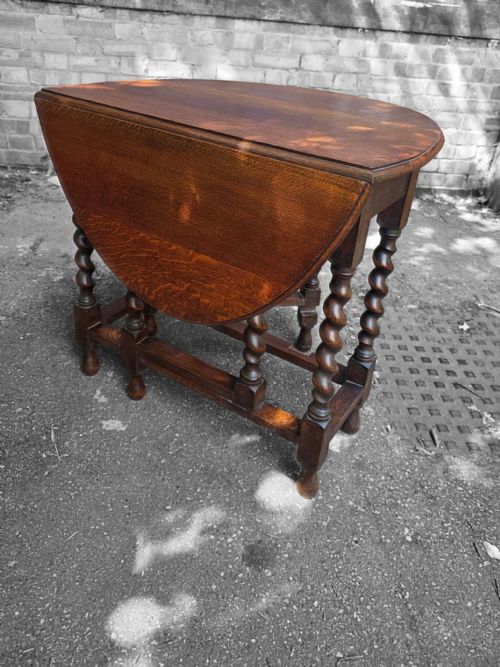
Cabinetmakers utilised native and exotic timbers such as oak, mahogany, walnut, burr walnut and rosewood, often combining solid construction with figured veneers. Metal components like brass hardware and ceramic details appear alongside specialised timber turning methods such as barley twist and bamboo-turned legs.
Folding mechanisms rely on drop leaves, gatelegs and swivel tops that allow tables to expand or contract. Joinery techniques connect hinged flaps to fixed central frames, providing stable surfaces that fold down for storage.
Listings span multiple eras from seventeenth-century oak through Georgian, Victorian and Edwardian pieces up to nineteen-thirties modernist designs.
Factors of Quality
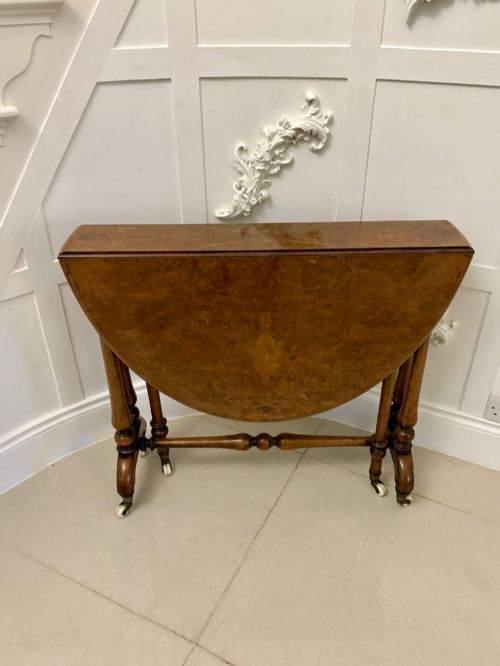
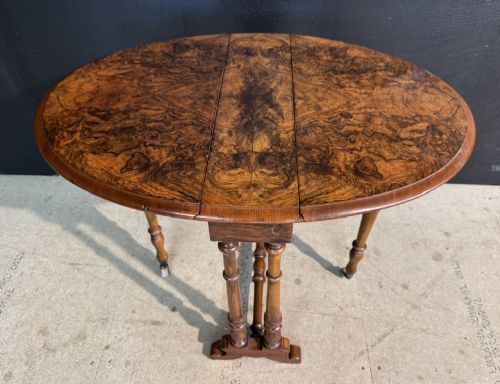
The choice of timber grain dictates much of the visual appeal, particularly in burr walnut and figured mahogany surfaces where natural patterns are preserved. Finer examples display careful attention to inlay work, balanced proportions and original patination on the wood.
Structural integrity depends on the precision of the folding actions and the stability of the legs, whether turned, barley twist or bamboo-style. Tables that retain their original hinges, handles and surface finishes command greater appreciation from collectors.
The Compact Side Tables Glossary
- Sutherland table
- A narrow drop-leaf table with exceptionally long flaps that fold down almost vertically. It was named after the Duchess of Sutherland in the nineteenth century.
- Gateleg table
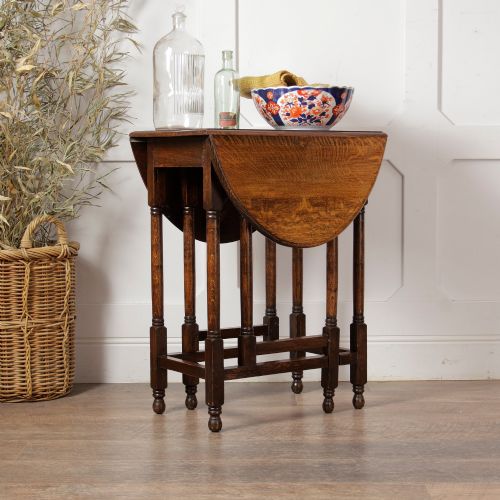
- A table with hinged leaves supported by legs that swing outward like a gate. This design provides a sturdy frame when open and a narrow profile when closed.
- Barley twist
- A decorative turning technique resembling a twisted rope or column. It appears frequently on the legs of oak tables from the seventeenth and early twentieth centuries.
- Pembroke table
- A drop-leaf table featuring rectangular leaves on either side and usually a single drawer. It originated in the eighteenth century as a small breakfast or writing table.
- Burr walnut
- Wood taken from a walnut tree growth or burl, yielding swirling, knotty grain patterns. Cabinetmakers utilised these decorative veneers on table tops during the Victorian era.
Compact Side Tables: Frequently Asked Questions
Where were compact side tables used?
These tables found places beside seating in drawing rooms, parlours and libraries where space remained at a premium. Their mobility allowed servants or family members to move them easily as daily needs shifted.
In bedrooms and writing chambers, smaller writing tables and worktables provided dedicated surfaces for correspondence and personal tasks without requiring large furniture footprints.
How do I identify a Sutherland table?
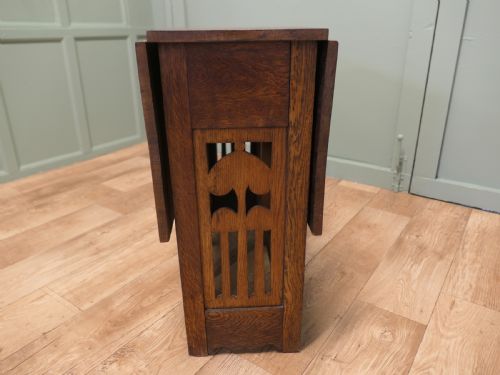
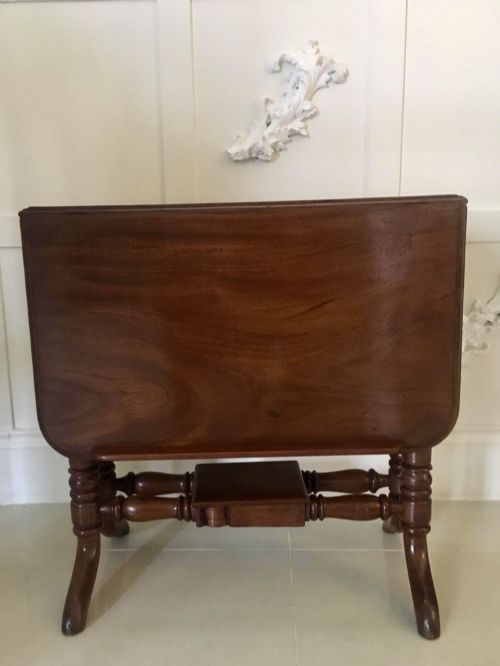
A Sutherland table is distinguished by its particularly narrow central frame and long drop leaves that hang nearly to the floor when lowered. The supporting gate legs swing out from the centre to hold the leaves in place.
Most examples date from the Victorian and Edwardian periods, frequently constructed in burr walnut, mahogany or rosewood with decorative inlays or turned supports.
What timber was most common?
Oak appears in earlier pieces, particularly seventeenth-century gateleg designs, and later in Arts and Crafts or Edwardian utility pieces. Mahogany and walnut dominate the nineteenth-century selections, often featuring figured grain.
Rosewood and burr yew wood also appear among finer Victorian and Edwardian occasional tables, adding distinct colour tones and varied surface patterns to the range.
How do drop leaves function?
Drop leaves are hinged sections attached to a fixed centre table top, supported when raised by pivoting legs or wooden brackets. This mechanism allows the overall surface area to double within seconds.
When lowered, the leaves hang vertically, reducing the table width so it can slide against a wall or fit into a narrow corner.