


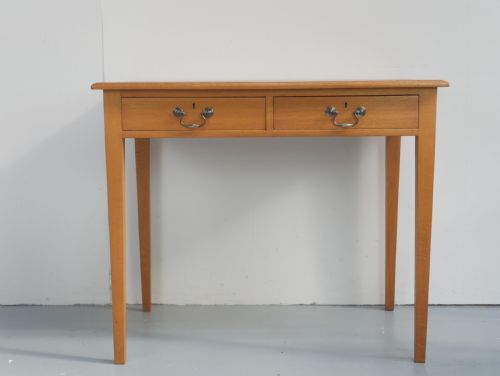

Compact Oak Bureau Desk
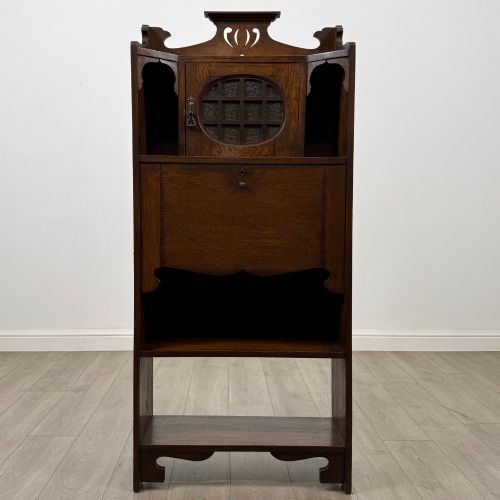
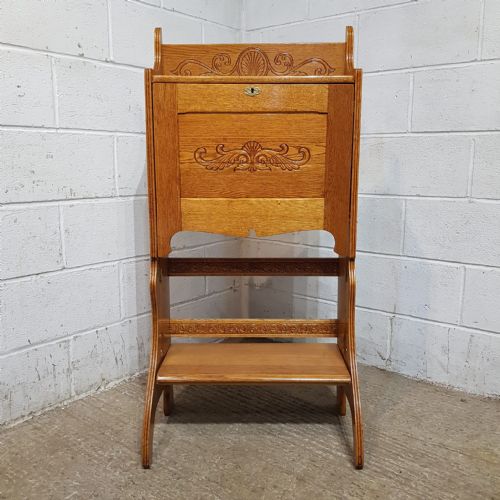
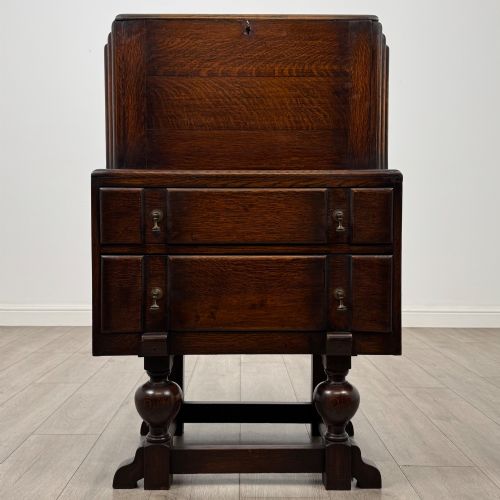
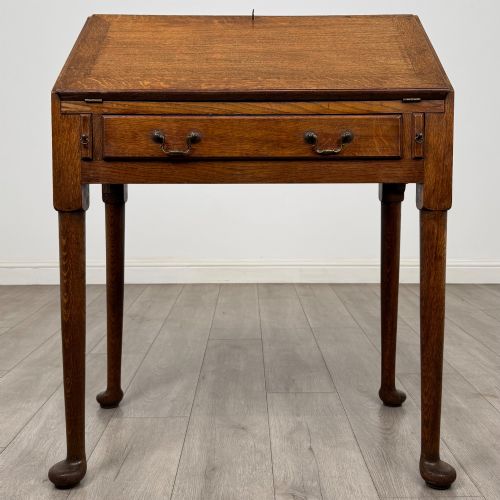
A compact oak bureau desk provides a practical writing surface and enclosed storage that suits smaller rooms.

Compact Oak Bureau Desk
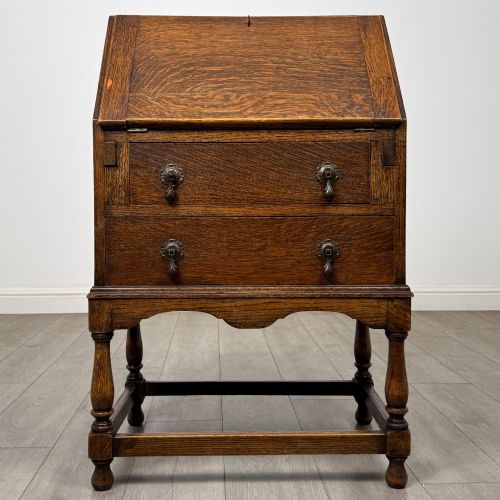
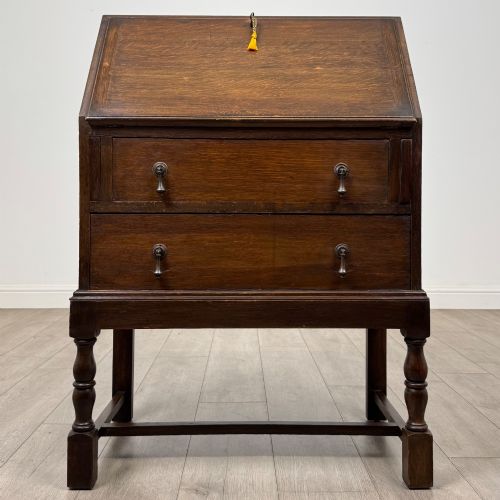
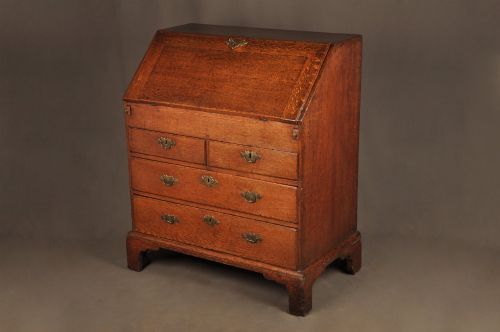
When searching for a compact oak bureau desk, buyers encounter writing furniture designed to save space while offering a drop-down flap for correspondence and paperwork. These pieces span centuries of cabinet making, ranging from early examples down through Georgian, Victorian, and Edwardian periods.
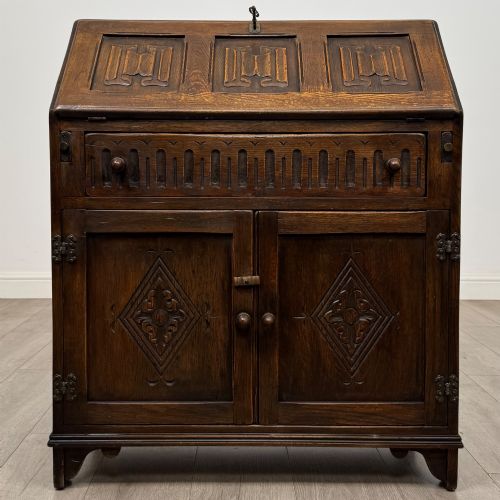
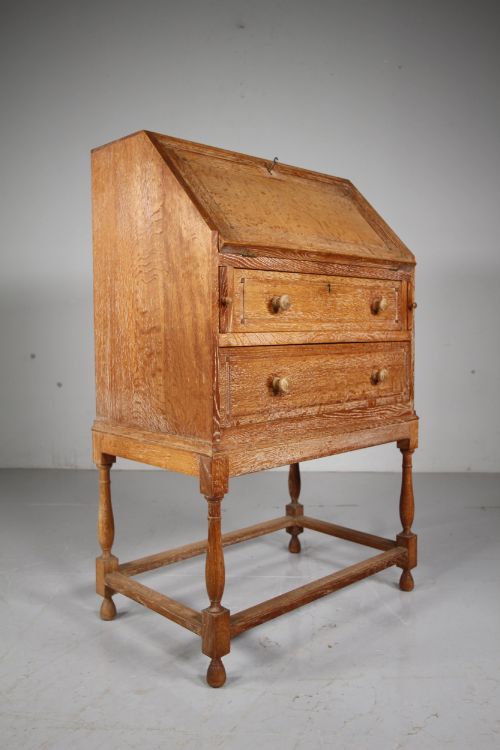
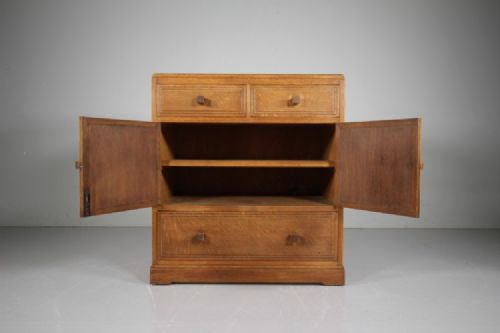
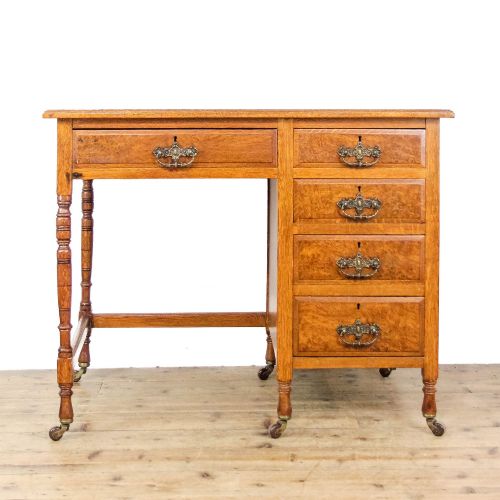
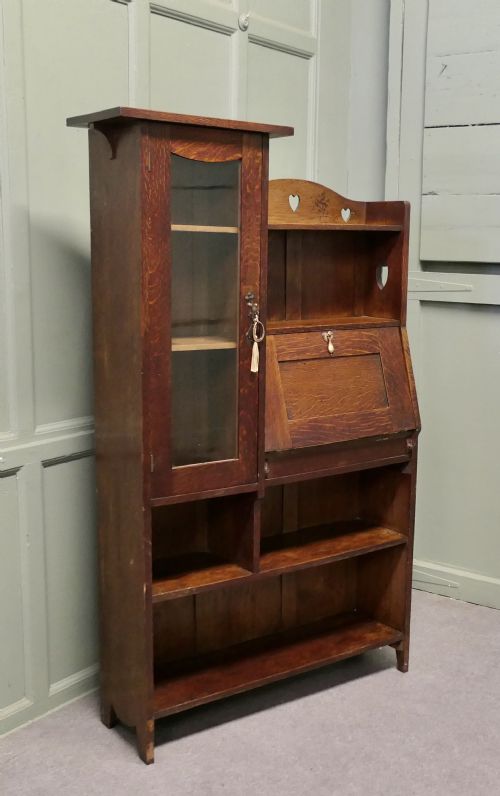
The selections on this page are most commonly found in Edwardian interpretations or early twentieth-century formats, often rendered in golden or pollard oak. Alongside standard writing bureaux, the listings include davenport desks, bureau bookcases, and student models fitted with small shelving compartments.
Materials and construction
The primary material across these pieces is solid or veneered oak, frequently enhanced by burr oak or pollard oak figuring on the fall-fronts and writing surfaces. Cabinet makers utilised brass for drop handles and key escutcheons, alongside iron and lead components within internal mechanisms.
Internal secondary timbers and drawer linings often incorporate contrasting woods like maple, while selected writing slopes feature inset leather writing surfaces. Joinery techniques range from traditional hand-cut dovetails on internal drawers to applied linenfold carvings and distinctive green man motifs.
Materials appearing across current desks include solid oak, burr oak, pollard oak, brass, leather, and glass.
Markers of quality
Quality in a compact oak bureau desk rests upon the selection of timber figures, such as pollard or burr oak veneers, and the crispness of hand-carved details like linenfold panels or figural motifs. Superior examples maintain original brass hardware, fitted interior pigeonholes, and working locks with functional keys.
Proportion and cabinet-making integrity dictate the upper tier of these desks, where tidy dimensions do not compromise structural soundness. Maker labels from known firms or retailers further distinguish notable craftsmanship from standard commercial workshop production.
Heals of London·Bryn Mawr·Jenners·Harris Lebus
The Compact Oak Bureau Desk Glossary
- Bureau
- A writing desk featuring a sloping hinged flap that drops down to form a writing surface, concealing pigeonholes and small drawers inside. Early versions date back to the seventeenth and eighteenth centuries.
- Davenport desk
- A compact desk type with a sloping top surface and drawers opening to the side, popular during the nineteenth century. Many incorporate burr oak or pollard oak veneers.
- Linenfold
- A carved wooden panel motif resembling folded linen fabric, frequently seen on Edwardian and revival furniture pieces. It adds texture to the exterior fall-fronts.
- Pollard oak
- Timber taken from trees that have been pollarded, producing a heavily figured, speckled grain pattern highly valued in cabinet work. It appears on quality desk slopes and drawers.
- Pigeonhole
- A small open compartment built into the interior desk nest for sorting letters and papers. These compartments sit behind the main drop-down writing flap.
Compact Oak Bureau Desk: Frequently Asked Questions
What is a bureau bookcase?
A bureau bookcase combines a sloping writing desk at the base with enclosed shelving or glass-fronted cabinets above. This dual format maximises vertical storage space in modest rooms.
Such hybrid pieces became popular for housing small libraries alongside correspondence materials within a single footprint.
How do I date an oak bureau?
Dating relies on examining construction methods, timber choice, and hardware styles. Early eighteenth-century pieces display hand-cut dovetails and boarded backs, while Edwardian examples often feature machine-planed elements and lighter golden oak.
Secondary woods and internal drawer construction provide further clues to the manufacturing era.
Where should I place a small desk?
A compact desk fits well in sitting rooms, hallways, or bedrooms where a full-sized table proves too large. The drop-front closes away paperwork when not in use.
Keeping the piece away from direct heat sources protects the oak timber and prevents veneer cracking.
What is pollard oak?
Pollard oak is a decorative timber harvested from trees pruned close to the trunk. This pruning method creates dense, swirling grain patterns.
Cabinet makers utilised this wood on prominent surfaces like desk lids to showcase natural patterning.