




Compact Edwardian Sofa
A compact edwardian sofa brings restrained elegance and smaller proportions into a room, offering practical seating without dominating the floor space.
Compact Edwardian Sofa
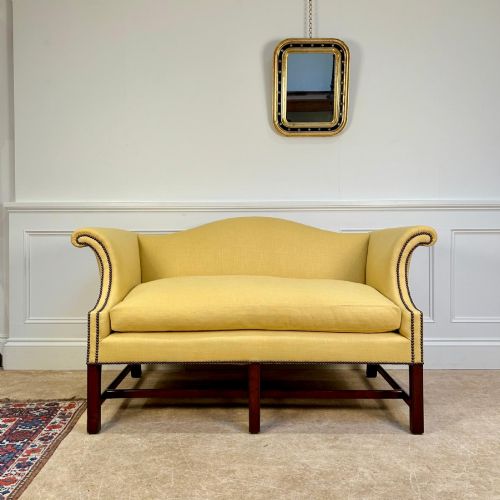
When searching for a compact edwardian sofa, buyers typically encounter seating designed for smaller drawing rooms and parlours at the turn of the twentieth century. These pieces encompass camel back frames and petite settee forms originating from the Edwardian period.
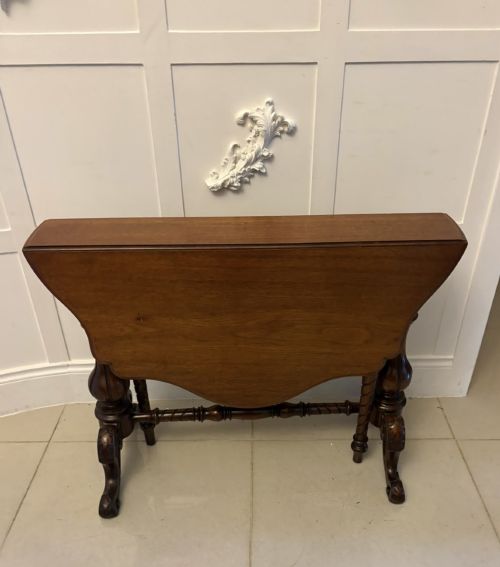
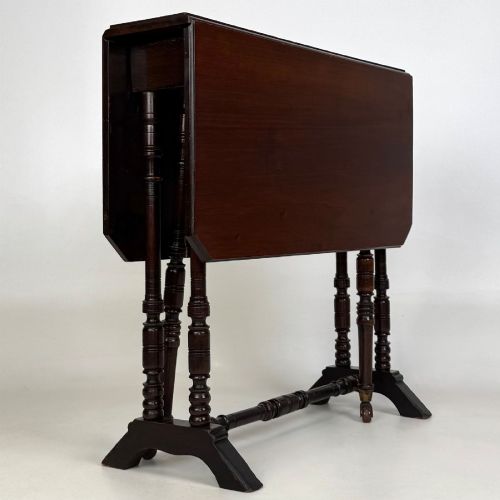
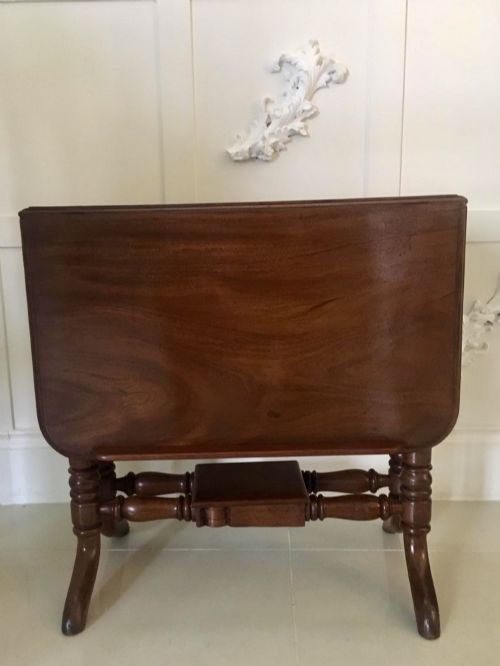
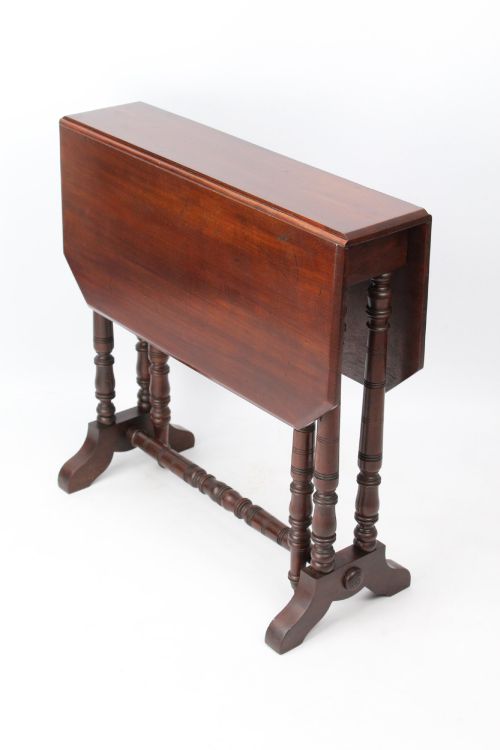
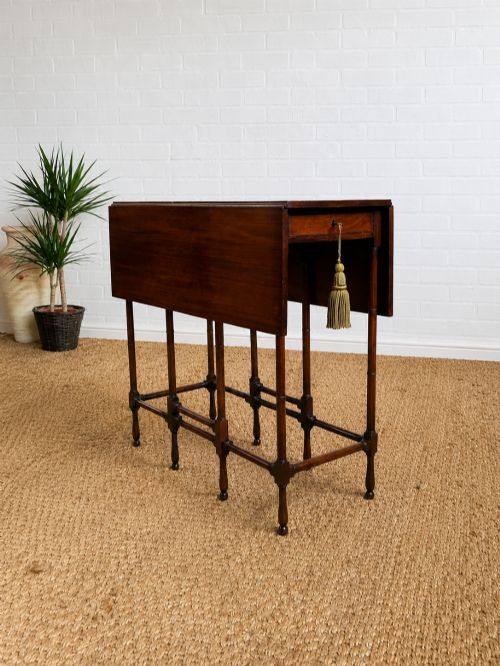
The selection also frequently includes versatile drop-leaf and Sutherland tables alongside occasional tables, reflecting the varied terminology used by dealers for smaller scaled furniture. Pieces range from solid mahogany frameworks to painted pine structures carrying Victorian and Edwardian stylistic influences.
Materials and construction
Makers utilised solid mahogany, walnut, burr walnut, and satinwood for the primary frames and tabletops, often incorporating inlaid details for visual depth. Brass fittings and ceramic castors frequently appear on legs to facilitate movement across carpets.
Turning techniques created bamboo-turned legs on tables, while drop-leaf mechanisms allowed surface areas to expand or contract depending on the immediate spatial requirements of the room.
Compact Edwardian Sofa Retail Price Guide 2026
Typical asking prices for compact edwardian sofa among the pieces listed under this phrase on Sellingantiques today, from the lower quarter to the upper quarter. They describe what is for sale here now, not the wider market.
Some drop-leaf tables include bamboo-turned legs, proving that even Edwardian cabinet makers enjoyed a touch of botanical mimicry.
Gradations in quality
Superior examples distinguish themselves through the choice of timber, particularly highly figured burr walnut or select satinwood veneers paired with robust secondary framing. Finely executed inlay work and balanced proportions elevate certain models above standard production pieces.
Structural integrity of folding actions, such as the hinges on drop-leaf Sutherland tables and the firmness of upholstered sofa springs, separates everyday utility items from finer decorative pieces.
Howard and Sons
The Compact Edwardian Sofa Glossary
- Sutherland table
- A narrow drop-leaf table featuring exceptionally slender legs and leaves that fold down nearly vertically. It was patented in the nineteenth century and designed to occupy minimal space when closed.
- Pembroke table
- A small rectangular table with hinged drop leaves on either side, often fitted with a single drawer. The design dates to the eighteenth century but remained popular through the Victorian era.
- Camel back
- A sofa or chair back featuring a convex curve that rises in the centre resembling a camel's hump. This contour provides structured support and a graceful silhouette.
- Burr walnut
- Wood harvested from the knotted growths of walnut trees, displaying highly decorative swirling grain patterns. Cabinet makers prized it for veneering prominent surfaces.
Compact Edwardian Sofa: Frequently Asked Questions
What defines a compact edwardian sofa?
A compact edwardian sofa is characterised by smaller overall dimensions and lighter framing compared to heavy Victorian upholstery. These settees were built to accommodate the more modest drawing room layouts typical of the early twentieth century.
Such pieces often feature camel back profiles or petite upholstered frames supported on slender legs. Their modest scale allows them to fit easily into modern apartments or smaller reception rooms.
How do I distinguish Edwardian furniture from Victorian pieces?
Edwardian furniture generally exhibits lighter construction, brighter wood tones, and less ornate carving than its Victorian predecessors. Makers of the Edwardian era favoured refined lines and subtle inlay work over heavy dark timbers.
Victorian pieces from the nineteenth century tend to be heavier and utilise denser dark mahogany or walnut. Examining the secondary woods and construction methods often clarifies the transition between these periods.
How were Sutherland tables used originally?
Sutherland tables served as versatile occasional tables that could sit flat against a wall when their leaves were dropped. Homeowners raised the leaves to provide a larger surface for tea or reading when guests visited.
Their slim profile when folded made them easy to reposition around a parlour without obstructing walkways. This practicality explains their enduring presence in period interiors.
Can I use these smaller tables as coffee tables?
Lower drop-leaf tables and Sutherland tables adapt readily to modern living spaces as coffee tables. Their folding leaves allow the footprint to adjust according to the seating arrangement.
Placing one before a compact sofa offers surface space without overwhelming the room. The historic craftsmanship adds character while fulfilling a contemporary function.