

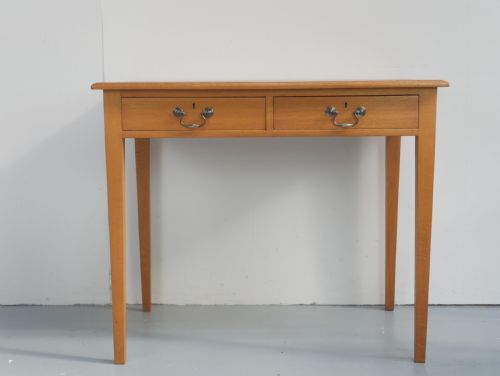


Compact Console Table
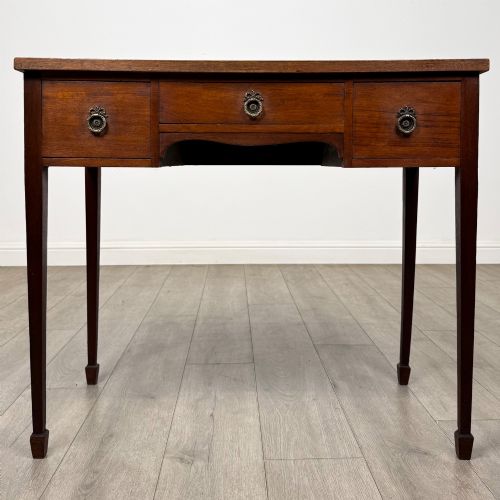
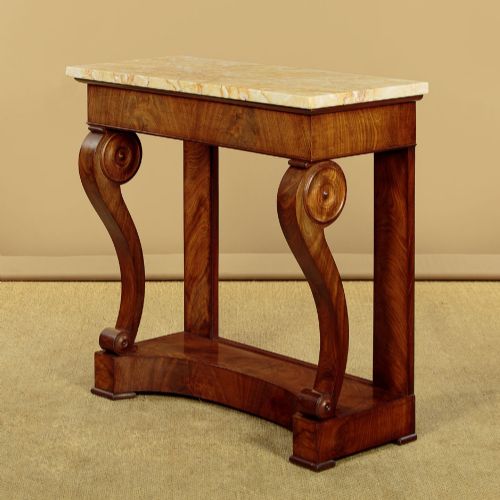
A compact antique console table provides surface space and narrow proportions, serving hallway or living room placement without overwhelming the room.

Compact Console Table
A compact antique console table brings historical timber and narrow proportions into modern hallways and narrow rooms. These pieces encompass various smaller side and occasional formats designed to fit restricted footprints.
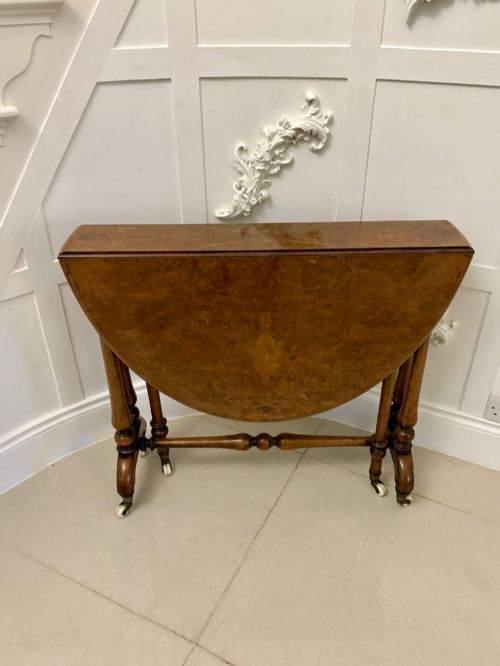
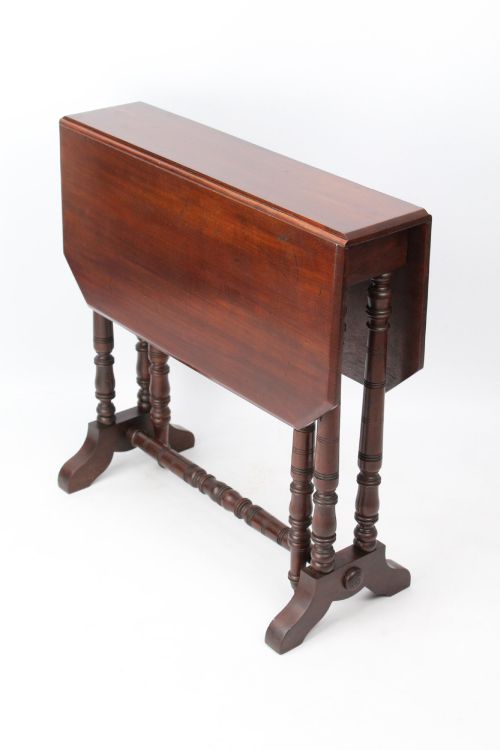
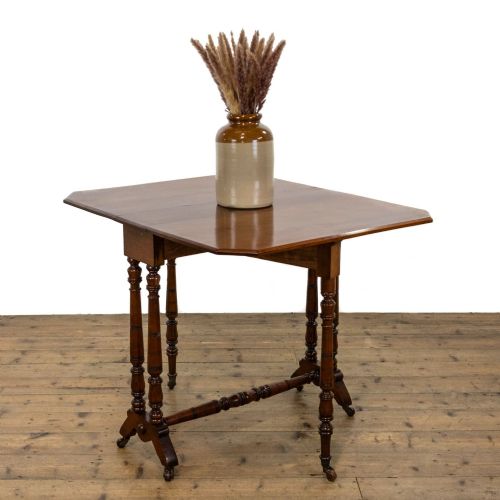
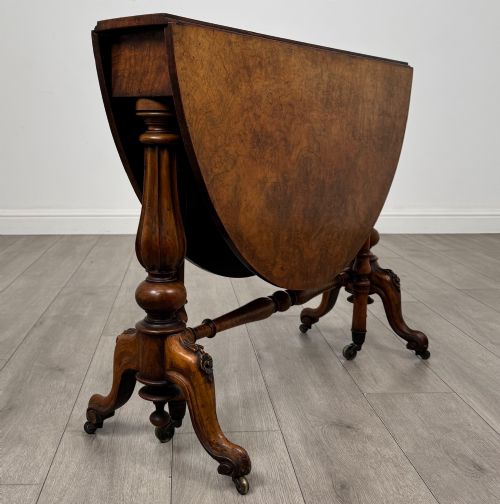
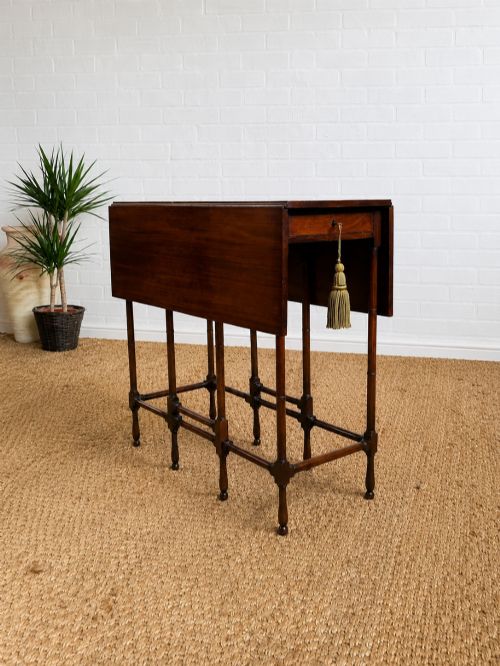
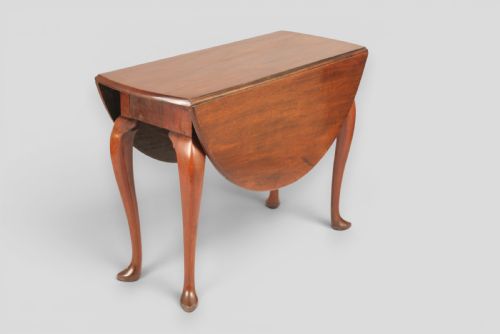
The selection here draws heavily from Victorian and Edwardian periods, alongside Georgian examples and vernacular country furniture. Many items utilise drop-leaf and gateleg mechanisms, such as Sutherland tables, to expand when needed.
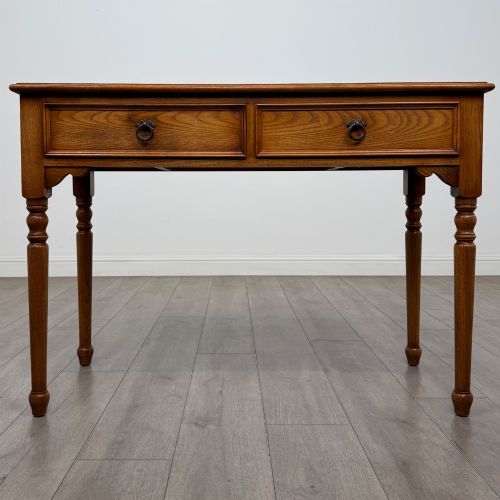
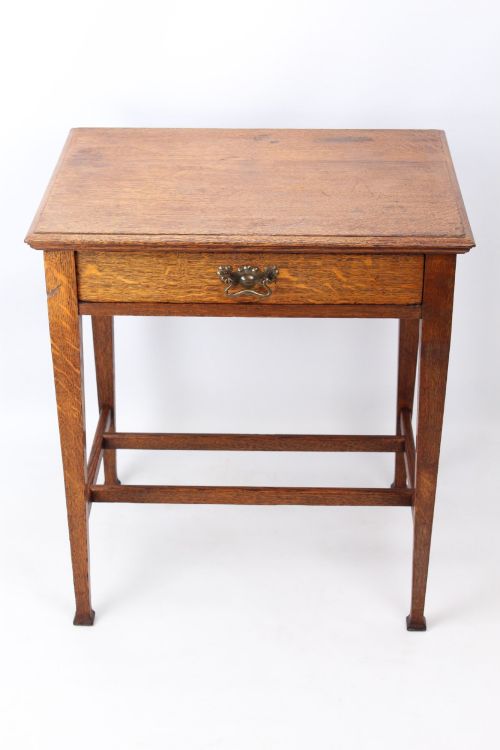
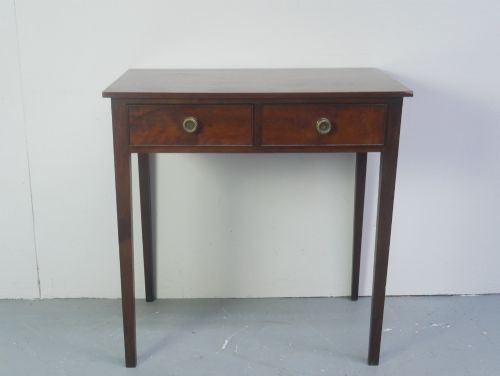
Makers and workshops constructed these tables in mahogany, walnut, oak, and pine to serve practical domestic functions. Buyers find everything from simple pine sideboards to burr walnut display pieces.
How they were made
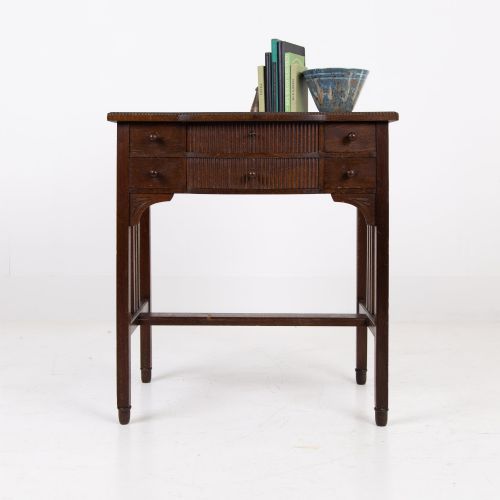
Joiners and cabinet makers relied on solid timbers like mahogany, oak, and walnut, frequently enhancing surfaces with burr walnut veneers or satinwood banding. Turning techniques shaped legs into bamboo patterns, spider configurations, or robust gateleg supports.
Secondary materials such as brass fittings, ceramic elements, and leather inserts added functional detail to writing desks and tables. Construction methods prioritised sturdy framing to support folding leaves and small drawers.
Materials recorded across the inventory include mahogany, walnut, burr walnut, oak, satinwood, pine, brass, leather, and ceramic.
What varies in quality
The grade of timber and veneer choice dictate the visual impact, with figured burr walnut and finely grained mahogany sitting above standard utility pine. Timber selection reflects the original intended room and status within the household.
Joinery precision and leg turning execution separate workshop standards, visible in how smoothly drop-leaf hinges operate and how tightly joints meet under stress. Finer pieces demonstrate careful attention to proportion and edge detailing.
James Shoolbred·Jenners
The Compact Console Table Glossary
- Sutherland table
- A narrow drop-leaf table featuring exceptionally slender legs and leaves that fold down nearly vertically. This format gained popularity during the Victorian era for saving space in smaller drawing rooms.
- Drop-leaf table
- A table with a fixed central section and hinged flaps that fold down at the sides. These pieces adjust easily to accommodate changing room requirements.
- Gateleg table
- A table with legs hinged to swing outward like a gate, providing physical support for drop-leaves when raised. The design dates back centuries and remains common in compact antique formats.
- Pembroke table
- A small rectangular table featuring two drop leaves and usually one or two drawers. It was originally designed for breakfast use or casual writing.
- Satinwood banding
- A decorative inlay technique using narrow strips of pale satinwood to edge darker timbers like mahogany. This method creates geometric contrast along table tops and drawer fronts.
Compact Console Table: Frequently Asked Questions
Where should I put a compact console table?
These narrow tables suit hallways, entryways, and narrow passages where floor space is limited. Their shallow depth allows them to sit flush against walls without blocking movement.
In living areas, they function well behind sofas or beneath windows to hold lamps and small objects.
How do drop leaf mechanisms work?
Hinges connect movable side flaps to a stationary central top, supported by swing-out legs or pivoting wooden arms. Raising the leaves creates a larger surface for dining or writing.
Dropping the leaves returns the furniture to a slim profile that takes up minimal floor space.
What woods are most common?
Mahogany and oak appear frequently across both Georgian and Victorian examples, offering strong structural frames and deep natural grain. Walnut and burr walnut provide richer figuring for more formal reception rooms.
Pine and painted softwoods tend to represent simpler country or utility furniture.
How do I date a Victorian table?
Look at the timber selection, hardware, and structural construction methods typical of the nineteenth century. Victorian pieces often incorporate dense mahogany, walnut veneers, or turned bamboo legs.
Design styles shifted from early solid proportions toward lighter Arts and Crafts or aesthetic movement influences by the end of the century.