



Commercial Wall Mirror
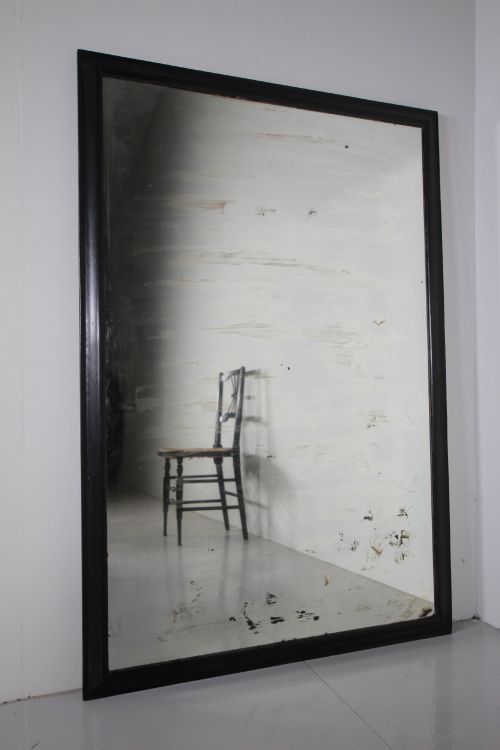
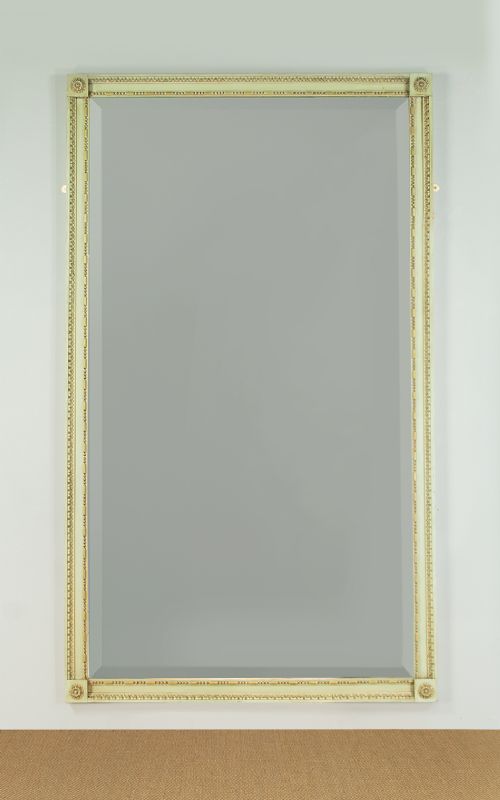
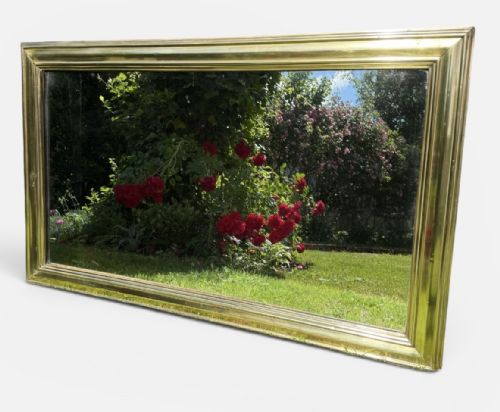
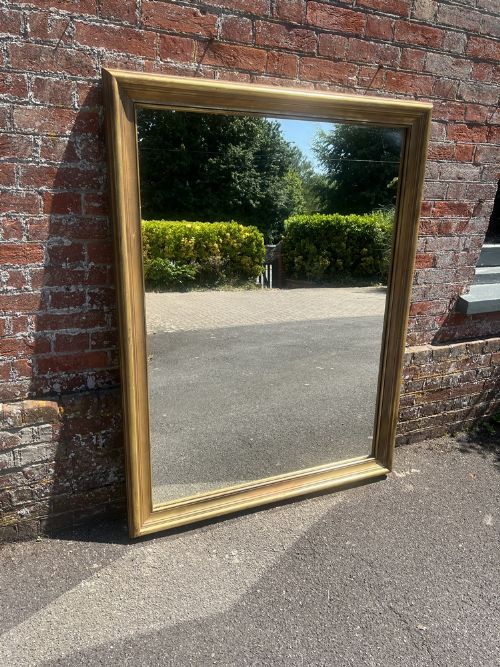
These commercial wall mirror examples bring authentic retail history into a room, offering large scales and robust frames built for trade.
Commercial Wall Mirror
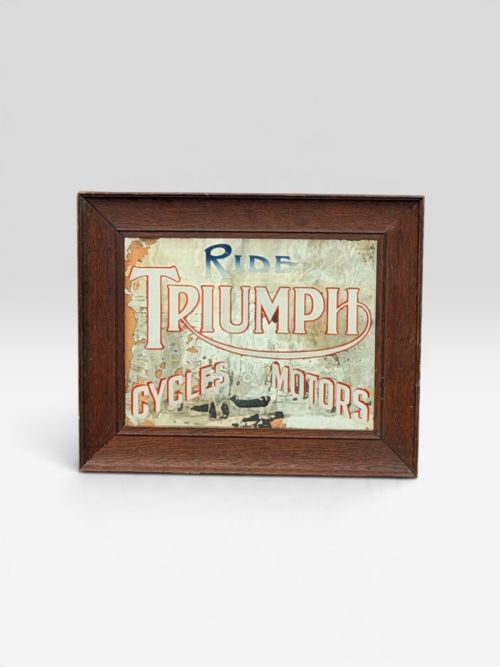
A commercial wall mirror serves as a functional fixture originating from retail and hospitality spaces such as pubs, chemists, haberdasheries and bistros. These pieces reflect specific trades through acid etching, proprietary lettering or heavy-duty brass and mahogany framing built to endure public footfall.
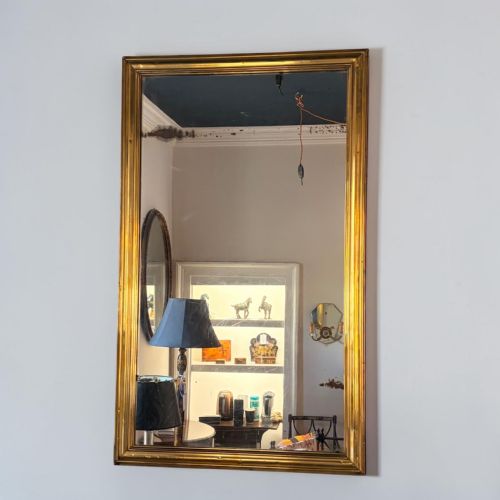
The selections available here range from large Victorian and Edwardian examples to French bistro designs and Art Deco vending machine mirrors. Buyers most frequently encounter French brass bistro mirrors alongside British pub and shop mirrors dating from the nineteenth and early twentieth centuries.
How they were made
Makers constructed these frames using dense timbers like mahogany and oak, often mounting glass plates within thick brass or carved gilt wood housings. French bistro pieces utilise brass and gilt wood, whereas British shop fittings lean towards mahogany and oak cabinetry.
Specialised techniques such as acid etching produced intricate public house lettering and decorative borders directly onto the glass plate. Structural durability dictated construction methods, ensuring the heavy plates remained secure within commercial environments.
Commercial Wall Mirror Retail Price Guide 2026
Typical asking prices for commercial wall mirror among the pieces listed under this phrase on Sellingantiques today, from the lower quarter to the upper quarter. They describe what is for sale here now, not the wider market.
The listings span from the 1850s through to the 1930s, featuring materials such as brass, mahogany, oak, chrome and gesso.
What varies in quality
Quality rests upon the originality of the mirror plate and the depth of the frame's carving or metalwork. Pieces retaining their original thick glass plate and authentic retail lettering command greater interest than later replacements.
The choice of primary material also dictates the standard of the piece, with substantial brass housings and solid mahogany cabinetry marking out the superior examples from standard utility items.
The Commercial Wall Mirror Glossary
- Acid etched
- A glass decoration technique using acid to bite designs into the surface. This method created opaque lettering and decorative borders for Victorian and Edwardian public houses.
- Bistro mirror
- A wall-hanging looking glass designed for French eating and drinking establishments. These typically feature brass or carved gilt wood frames.
- Haberdashery
- A retail trade dealing in small items of clothing and sewing. Mirrors from these shops provided customers with reflections when selecting garments.
- Original plate
- The primary glass mirror sheet fitted during manufacture. Surviving specimens retain their original reflective surfaces.
Commercial Wall Mirror: Frequently Asked Questions
Where were commercial wall mirrors used?
These mirrors originated in public houses, chemists, haberdashery shops and French bistros. They hung on commercial walls to serve customers and enhance interior light.
Today, buyers place them in domestic hallways, living rooms and dining spaces to create an expansive sense of depth.
How do I hang a heavy commercial mirror?
Due to the substantial weight of brass frames and thick glass plates, secure wall fixings into masonry or solid studs are essential. Professional hanging hardware ensures the weight distributes safely.
Consulting a specialist installer prevents damage to both the wall and the timber or brass frame.
How do I date a commercial mirror?
Dating relies on stylistic markers from periods including the Victorian era, Edwardian period and the 1930s. Frame materials like mahogany, oak, brass and chrome offer chronological clues.
Lettering fonts and trade inscriptions also point to the specific decade of manufacture.
What maintenance do old mirror plates need?
Original glass plates require gentle cleaning with a soft cloth and mild solution, avoiding harsh ammonia-based chemicals. Preserving the surrounding brass, mahogany or gilt wood involves dusting with dry cloths.
Avoiding excessive moisture protects both the wooden backing and the silvering on the glass.