

Commercial Shop Counter
A commercial shop counter is a functional survivor of past trade, built from timber and glass to display wares and anchor a shop floor.
Commercial Shop Counter
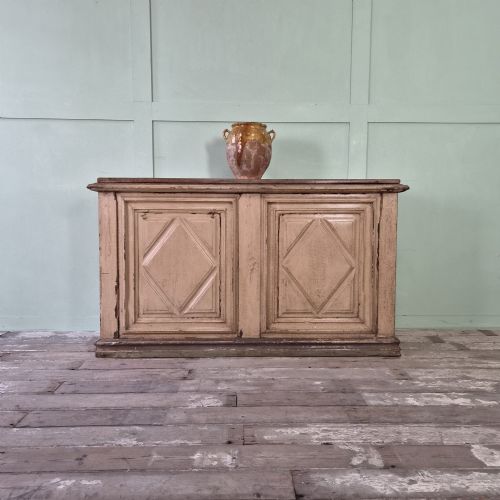
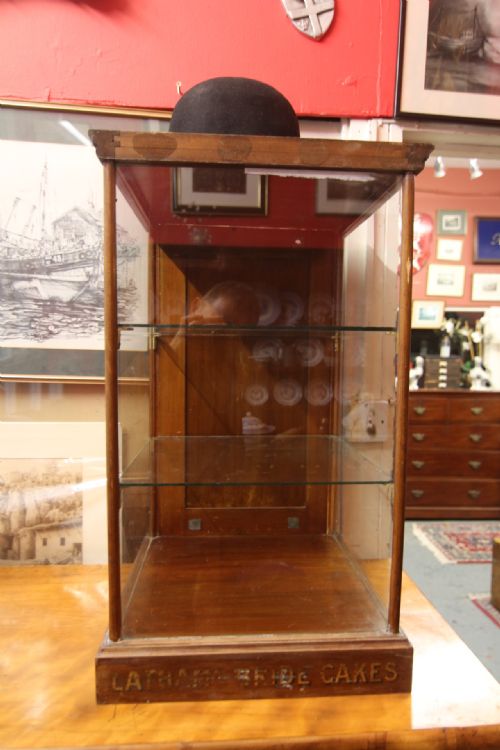
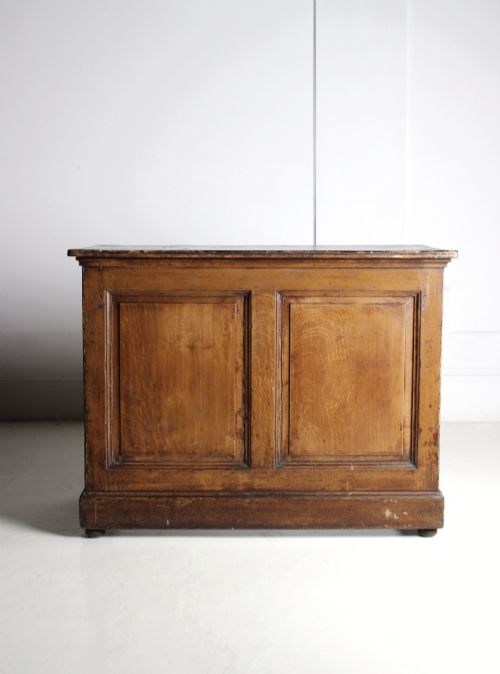
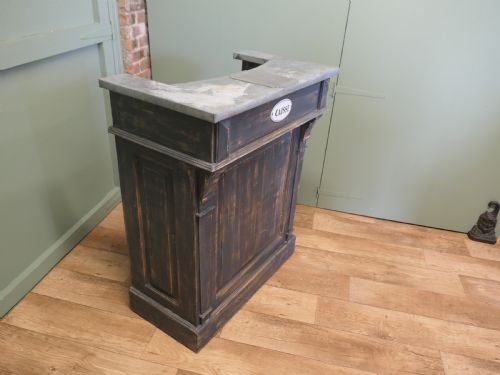
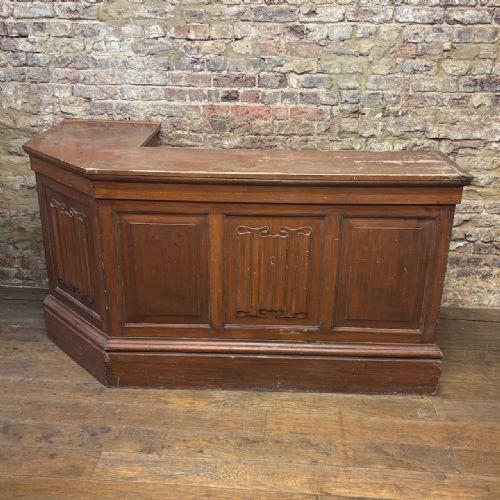
A commercial shop counter serves as the physical interface between merchant and customer, appearing in forms ranging from expansive timber serving tables to glazed display cabinets. When exploring this selection, buyers encounter pieces originating from the nineteenth century through the interwar decades, reflecting the shifting needs of grocers, drapers, and chemists.
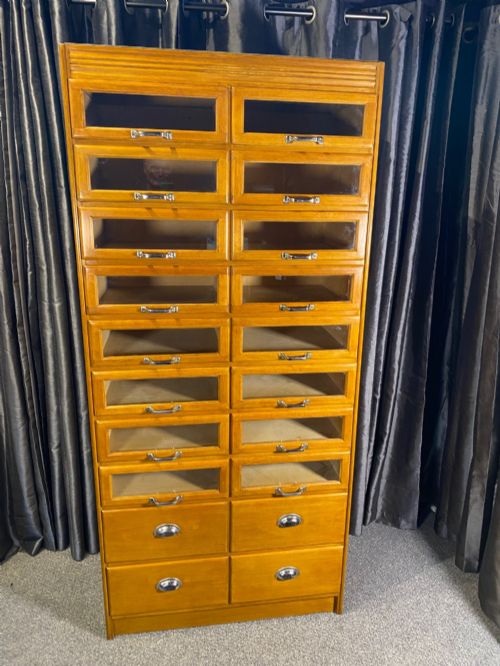
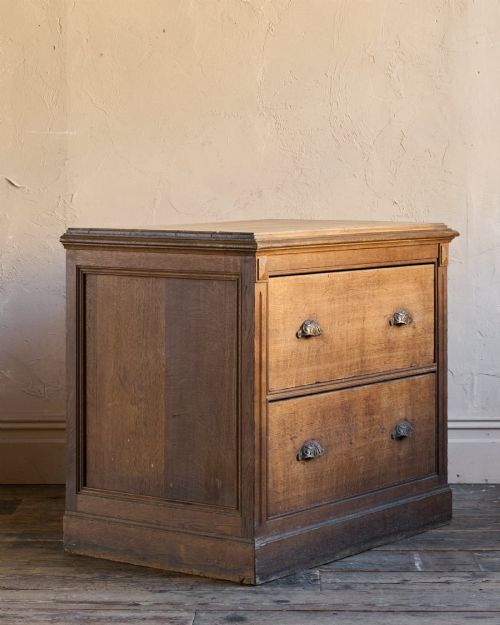
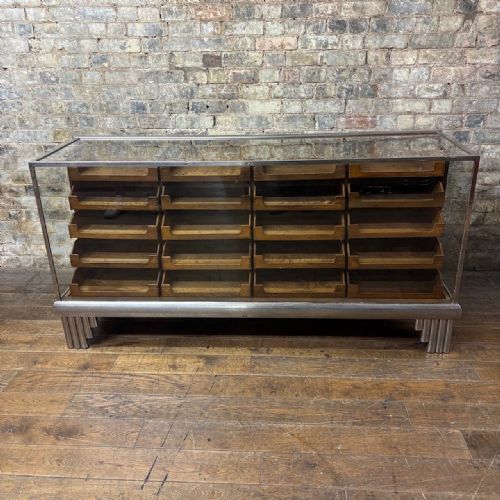
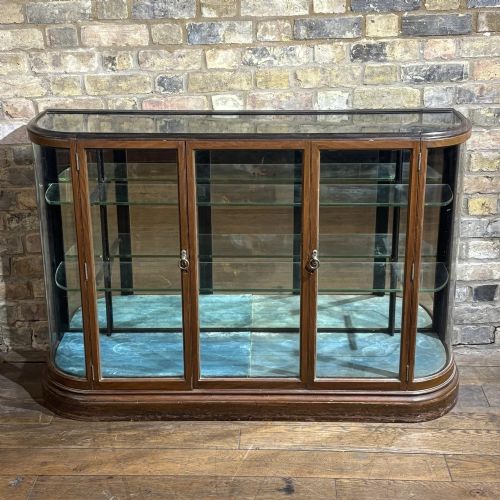
The most prevalent examples span Victorian and Edwardian shop fittings alongside 1930s designs, encompassing long counters, banks of drawers, and countertop display cases. These utilitarian objects bridge domestic and commercial interiors, bringing substantial presence and organisational utility into modern settings.
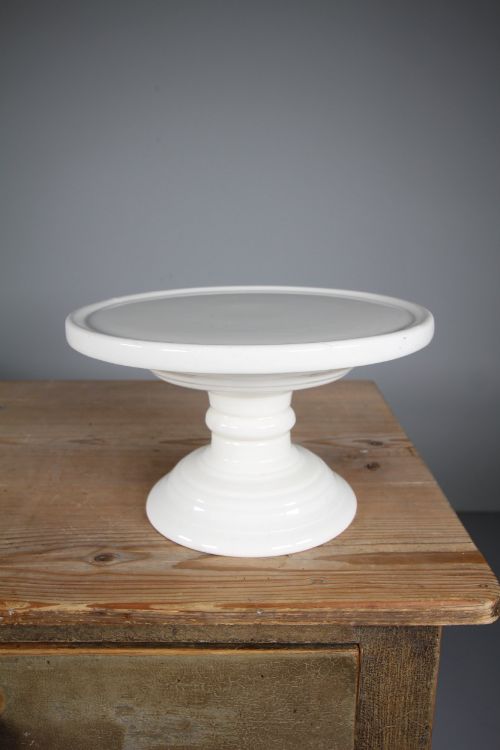
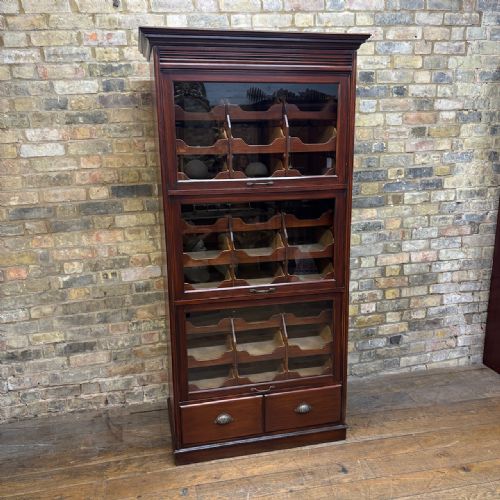
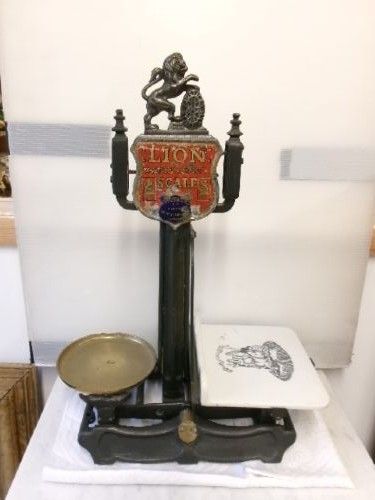
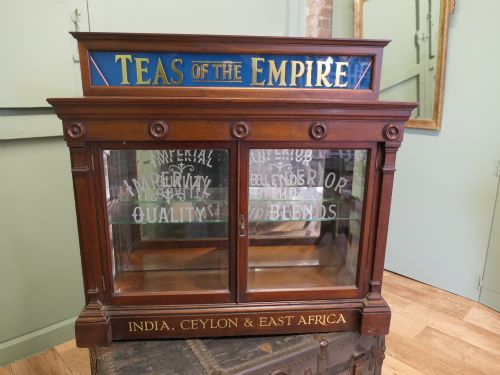
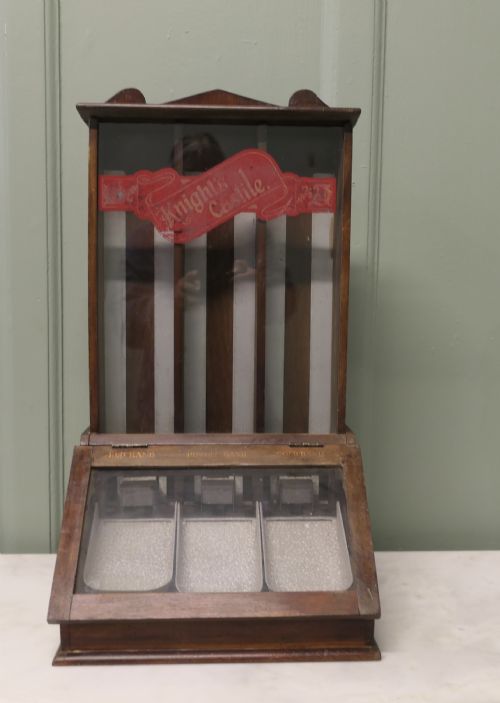
Originating from various retail environments, these pieces include specialised forms such as haberdashery drawer units, pharmacy cabinets, and confectionary display stands. Each variant tells a specific story of historical commerce, constructed to withstand daily use while presenting goods effectively.
Materials and Construction
Construction relies heavily on durable timbers such as mahogany, oak, and pine, chosen for structural strength and finished with glass panels or brass frames to protect merchandise. Cabinetmakers incorporated functional hardware like brass fittings, iron supports, and aluminium frames in later interwar pieces.
Many surfaces retain original paint finishes, patinated wood, or mirrored interiors, demonstrating traditional joinery methods designed for heavy commercial service. Countertop items and large floor fixtures alike utilise dovetailed drawers, glazed doors, and robust framing to endure generations of retail handling.
Commercial Shop Counter Retail Price Guide 2026
Typical asking prices for commercial shop counter among the pieces listed under this phrase on Sellingantiques today, from the lower quarter to the upper quarter. They describe what is for sale here now, not the wider market.
The inventory spans Victorian, Edwardian, and Art Deco styles, originating from British and French commercial premises.
Assessing Quality and Character
Quality rests in the integrity of the original timber, the clarity and preservation of the glass, and the survival of maker details such as branded signage or specialised hardware. Pieces retaining their fitted drawers, original glazed panels, and untouched painted surfaces demonstrate superior authenticity.
Construction nuance separates standard utility fittings from bespoke retail architecture, seen in refined mouldings, sophisticated glazing bars, and integrated display compartments. The depth of patination and the preservation of mechanical elements, from drawer runners to hinges, define the standing of each piece.
Dudley & Co·G H Gledhill Halifax·John Stow Ltd of Bradford·Manoah Rhodes & Sons Ltd·F. Sage & Co. London·Saml. Elliott & Sons
The Commercial Shop Counter Glossary
- Haberdashery cabinet
- A multi-drawer unit originally used for storing sewing threads, ribbons, and small textiles. These pieces often feature glass fronts or shallow tiers for visibility.
- Chemist shop fitting
- Specialised cabinetry and drawer banks designed for pharmacies and apothecaries. They frequently incorporate numerous small compartments and labeled drawers for medicinal ingredients.
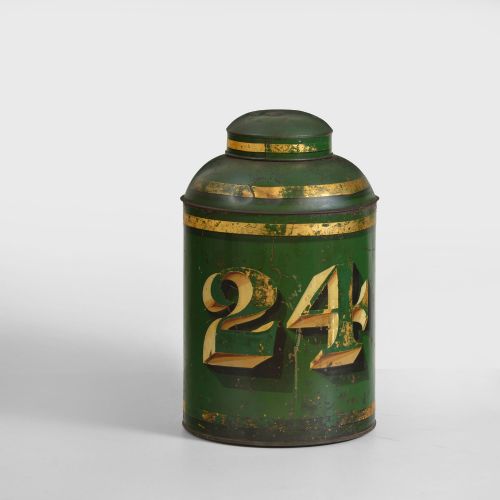
- Toleware
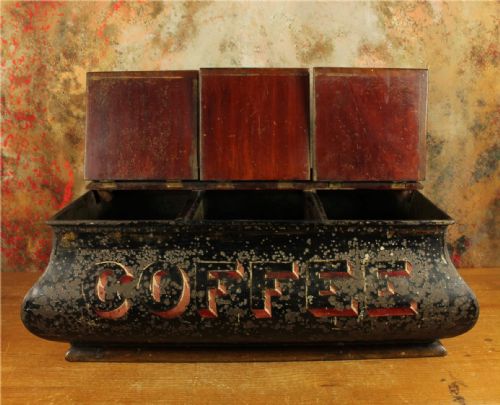
- Painted or japanned metalware objects used for domestic and commercial storage. These items typically display decorative surface finishes in dark hues.
- Countertop display case
- A glazed tabletop unit engineered to showcase small luxury items, sweets, or tobacco to customers standing before the main counter. They elevate merchandise to eye level.
Commercial Shop Counter: Frequently Asked Questions
What is a commercial shop counter?
A commercial shop counter is a heavy-duty retail furnishing designed to serve customers, store stock, and display merchandise. These pieces originate from historic shops, department stores, and specialised merchants.
Built from robust materials like mahogany, oak, and pine, they combine utilitarian storage with glazed display areas. Today, they function as striking architectural islands in residential kitchens or retail spaces.
How were shop counters used historically?
Shopkeepers used these counters as the central hub for transactions, wrapping goods, and interacting with the public. Glazed sections kept delicate wares safe from handling while remaining visible to buyers.
Specialised variants like drapers' tables and chemist drawer units organised specific inventories, from bolts of fabric to apothecary jars. They formed the operational backbone of nineteenth and early twentieth century commerce.
How do I care for a wooden shop counter?
Maintenance requires regular dusting with a soft cloth and occasional treatment with appropriate beeswax to nourish the historic timber. Avoiding direct sunlight and excessive moisture preserves the original finish and patination.
Glass panels and brass hardware benefit from gentle cleaning without harsh chemical abrasives. Respecting the aged surface ensures the piece retains its historical character.
How can I tell Victorian counters apart from later pieces?
Victorian examples typically feature dense hardwoods like mahogany and pine, hand-cut dovetails, and traditional paneling reflecting nineteenth-century joinery. They often show deeper patination from decades of commercial handling.
Later Edwardian and 1930s pieces introduce lighter oak timbers, altered hardware styles, and sometimes metal framing such as chrome or aluminium. Examining the construction joints and materials generally reveals the manufacturing era.