

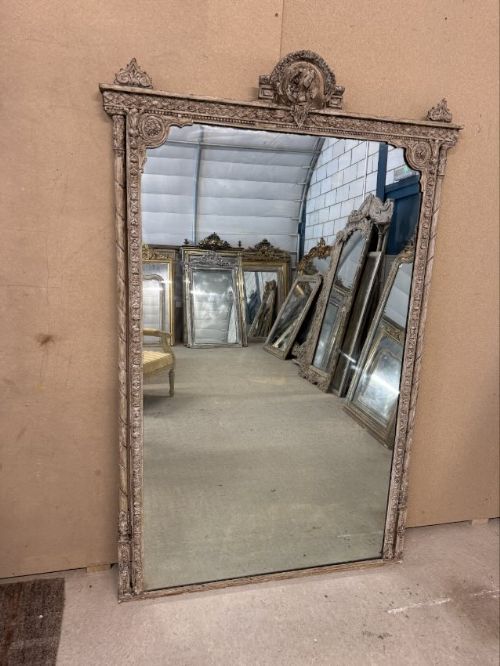
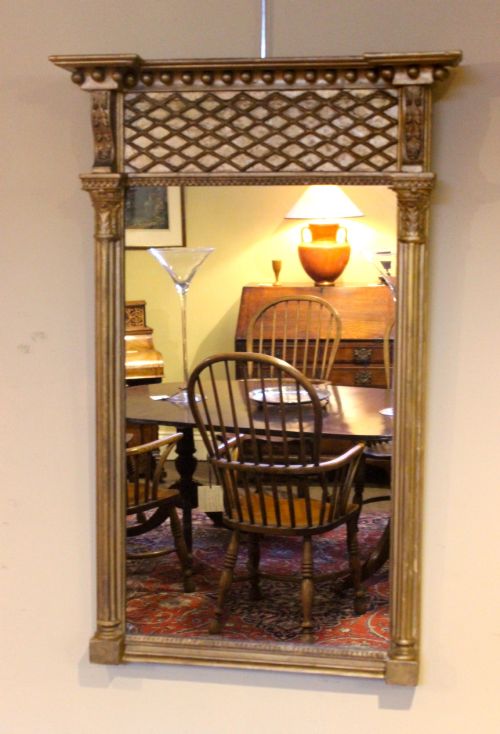
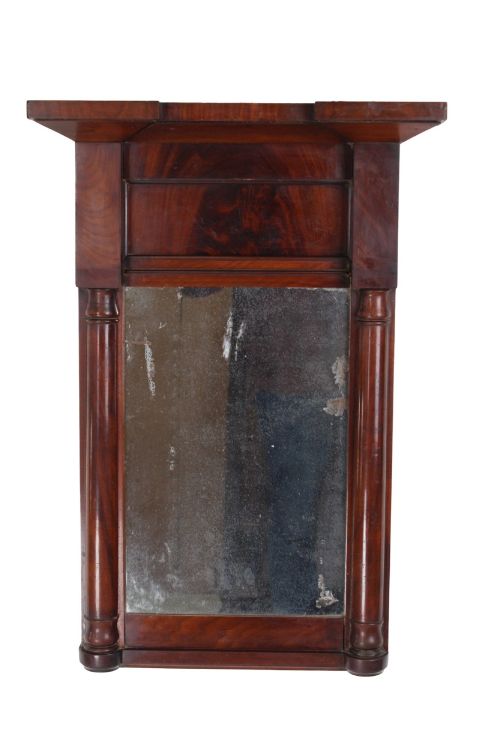
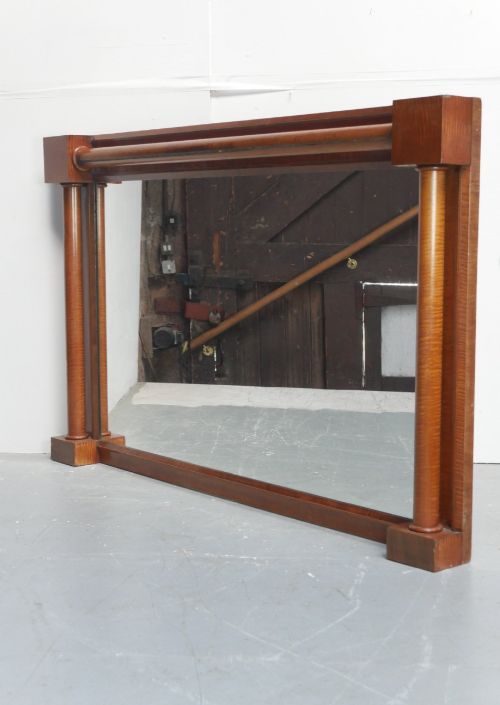
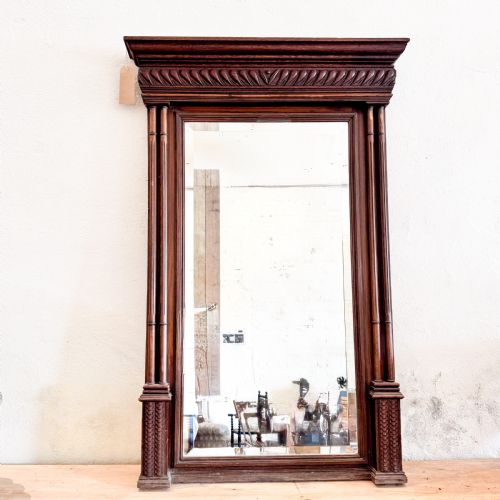


Column Wood Mirror
A column wood mirror brings architectural structure to a room through vertical timber supports and classical framing.
Column Wood Mirror
When you search for a column wood mirror, you encounter architectural frames designed to draw the eye upward and anchor a wall or mantelpiece. The pieces listed here span the Georgian, Regency, William IV, and Victorian periods, alongside French and European examples from the nineteenth century.
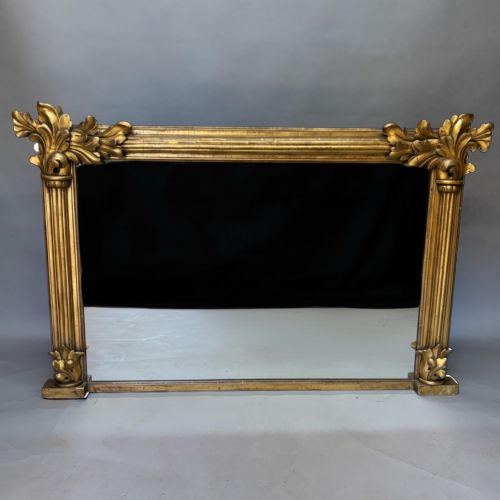
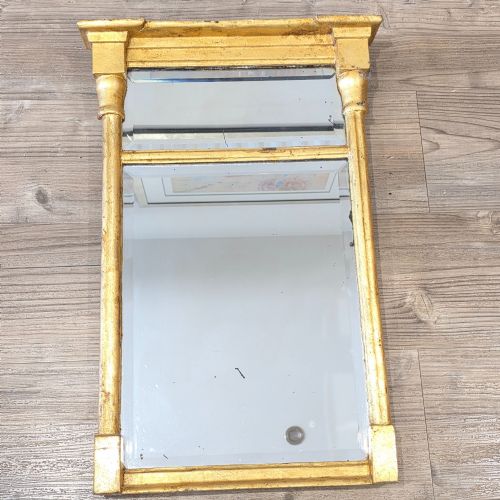
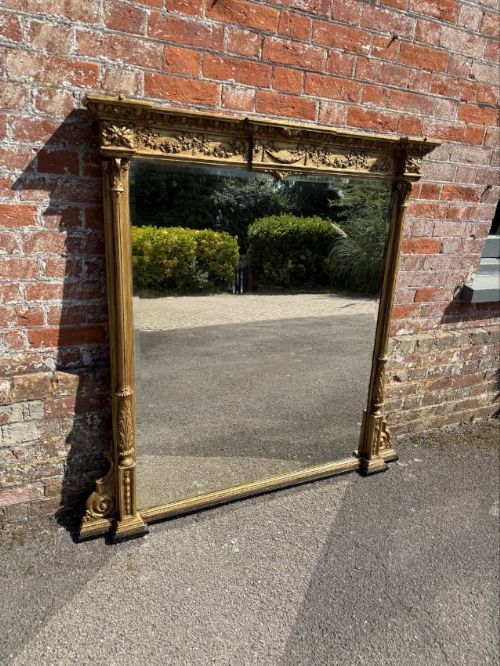
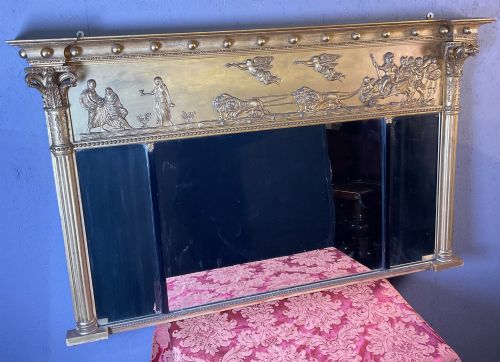
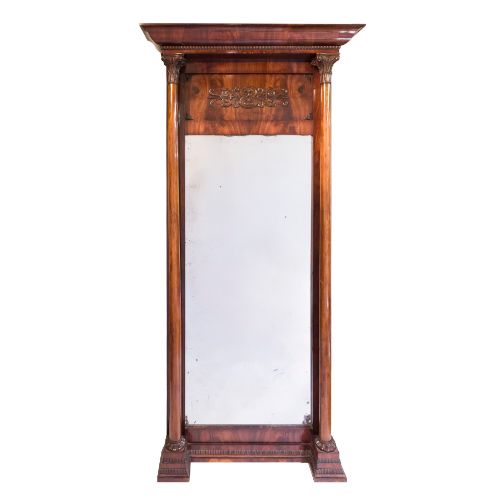
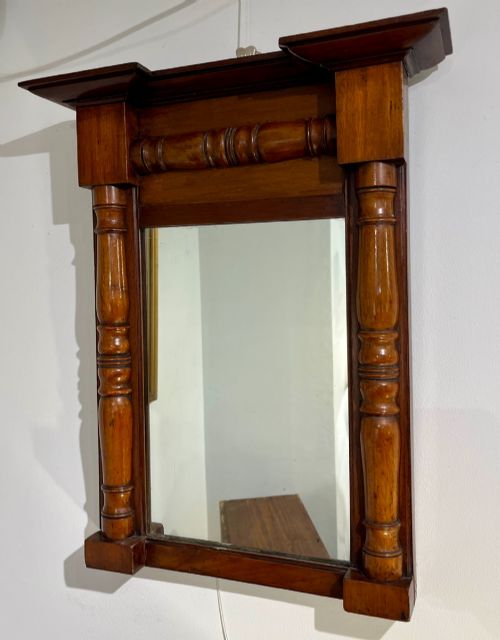
The most common forms on this page are pier mirrors and overmantel mirrors, which utilise vertical wooden pillars, half-columns, or pilasters flanking the glass plate. These frames range from intimate dressing mirrors to large overmantels intended to reflect light across a principal room.
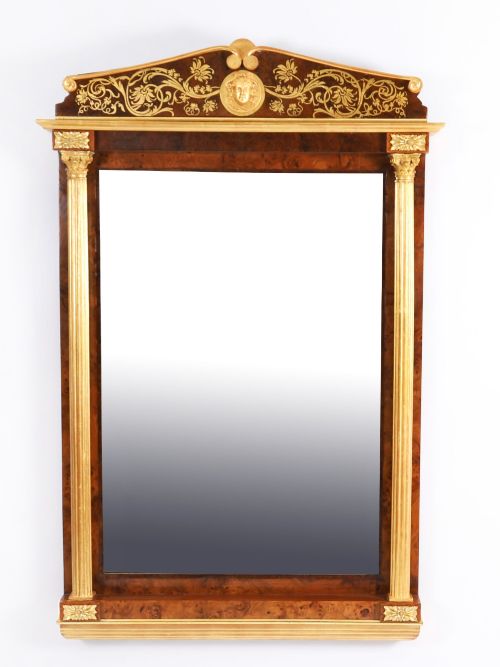
Makers and cabinetmakers drew upon Neoclassical, French Empire, and Egyptian Revival vocabularies, applying structural columns to mahogany, walnut, satin birch, oak, and giltwood structures.
How they were made
Makers constructed the primary frames from timbers such as mahogany, oak, satin birch, and burr walnut, sometimes applying gesso and gold leaf over a carved wood base. Architectural elements like columns and pilasters were turned on lathes or hand-carved before being fixed to the main carcass.
Surfaces received various finishes including parcel-gilding, ebonising, or polished wood veneers that highlight the grain. Many pieces incorporate original mercury glass plates held within rebated frames behind protective wooden backs.
Column Wood Mirror Retail Price Guide 2026
Typical asking prices for column wood mirror among the pieces listed under this phrase on Sellingantiques today, from the lower quarter to the upper quarter. They describe what is for sale here now, not the wider market.
Listings feature eighteenth and nineteenth-century periods, utilising mahogany, satin birch, oak, and giltwood.
What varies in quality
Quality depends upon the crispness of the carved or turned woodwork on the columns and the depth of the gesso application beneath the gilding. Finer pieces demonstrate careful proportion between the structural pillars and the glass plate they frame.
The choice of timber and veneer selection also separates standard examples from exceptional ones, particularly where highly figured mahogany, satin birch, or burr walnut is employed.
The Column Wood Mirror Glossary
- Pier mirror
- A tall mirror designed to hang on the pier of wall between windows. These tall, narrow glasses often feature vertical side columns.
- Overmantel mirror
- A wide mirror designed to sit directly above a mantelpiece or fireplace. They frequently span substantial widths and incorporate architectural column frames.
- Gesso
- A plaster-like mixture applied to wood frames to create a smooth surface for gilding. Carved details and ribbed columns often rely on built-up gesso layers.
- Parcel gilt
- Partially gilded woodwork where gold leaf highlights specific architectural details like columns while leaving the underlying timber exposed.
- Mercury plate
- An early type of mirror glass backed with a tin and mercury amalgam. It produces a characteristic mottled reflection distinct from modern silvered glass.
Column Wood Mirror: Frequently Asked Questions
Where should I hang an overmantel mirror?
These large architectural frames sit securely above a fireplace mantel to anchor the chimney breast and reflect natural light.
Ensure the wall fixings match the substantial weight of the timber and gesso structure.
How do I identify a pier mirror?
Pier mirrors are characterised by their tall, vertical proportions designed specifically for narrow wall spaces between windows.
They often incorporate structural side columns and classical pediments.
What is mercury plate glass?
Mercury plate refers to traditional mirror glass made using a tin and mercury backing technique before modern silvering processes.
It yields a soft, uneven reflection with characteristic dark spots and historical ageing.
How do I care for a giltwood frame?
Dust the carved wood and column details gently with a dry, soft brush to protect fragile gesso and leaf surfaces.
Avoid liquid cleaners entirely, as moisture damages traditional water gilding.