

Column Plinth Stands
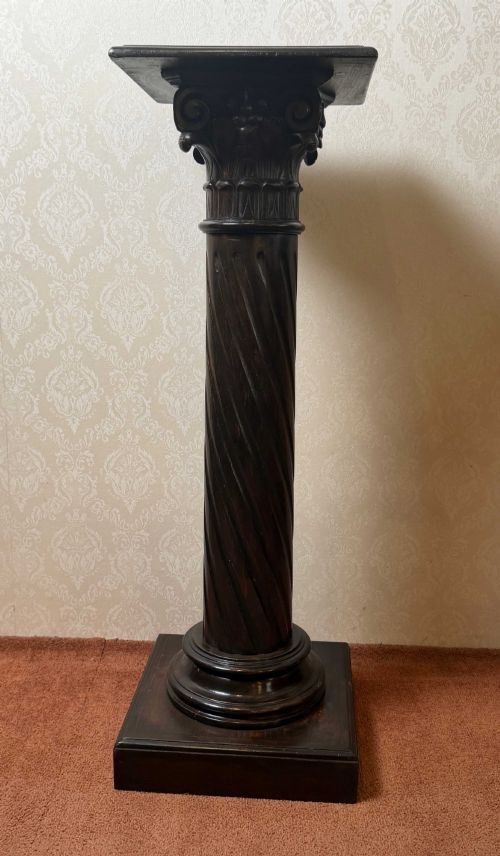
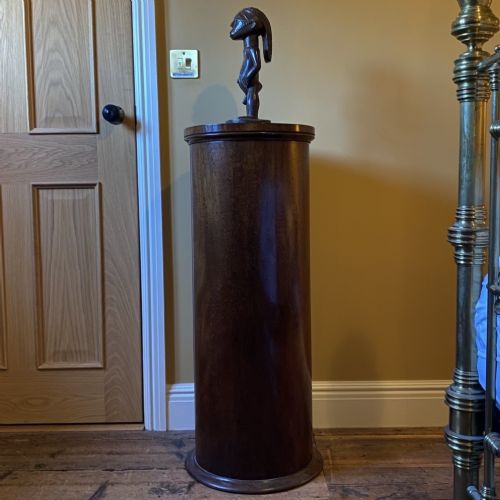
Column plinth stands elevate busts, vases and statues, bringing architectural form and classical presence into an interior.
Column Plinth Stands
Column plinth stands serve as elevated display platforms for sculpture, decorative vessels and indoor plants. When searching for column plinth stands, buyers encounter architectural forms designed to support weight while displaying art at eye level.
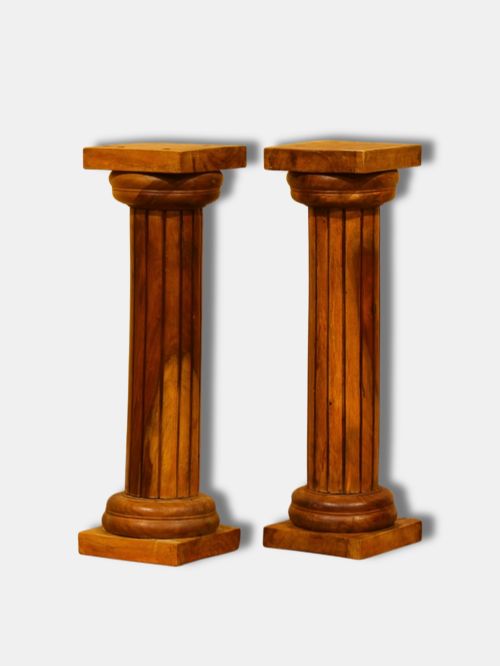
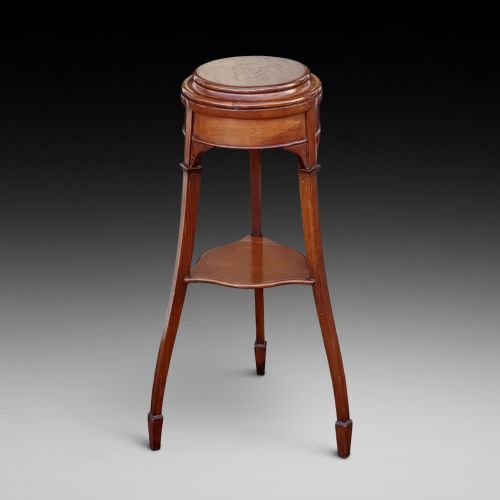
The selection here encompasses pieces ranging from the early nineteenth century through the 1930s, spanning Georgian, Victorian and Edwardian periods. Common configurations include straightforward cylindrical columns, tapered pedestals and triform bases designed for stability.
Origins vary from English mahogany workshops to French boudoirs and Italian marble yards, reflecting distinct regional tastes in interior display. Neoclassical and classical revival styles dominate the selection, bringing ancient architectural motifs into domestic spaces.
Materials and Construction Methods
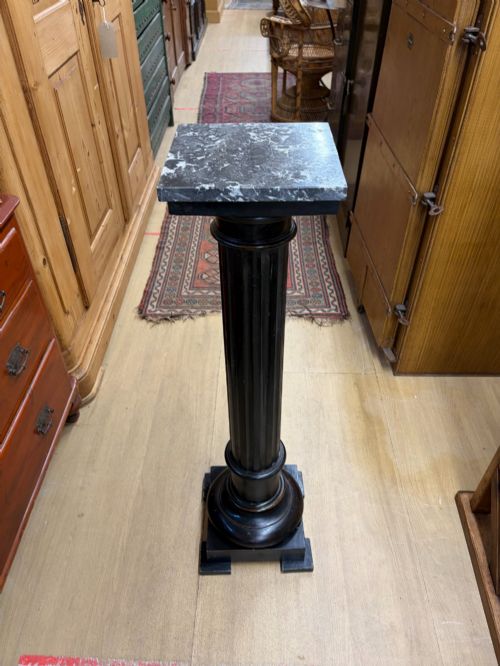
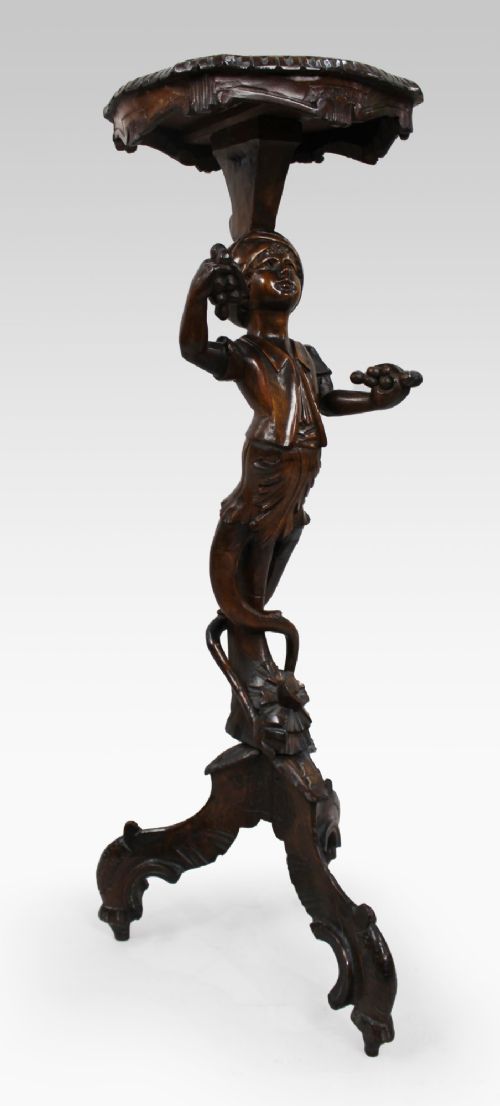
Cabinetmakers utilised dense timbers such as mahogany, walnut, satinwood and oak, shaping them through turning, carving and intricate inlay. Solid wood construction provided the necessary heft to support heavy decorative objects without tipping.
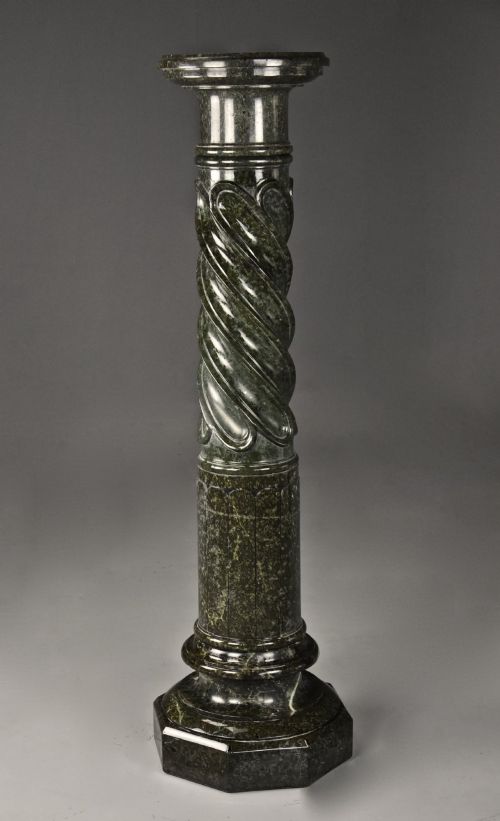
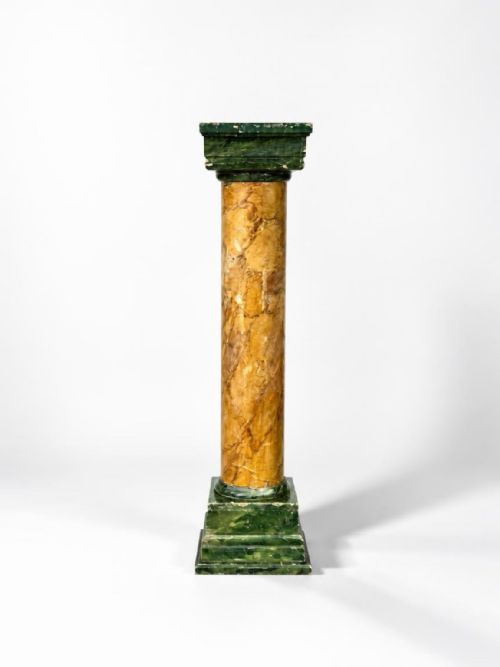
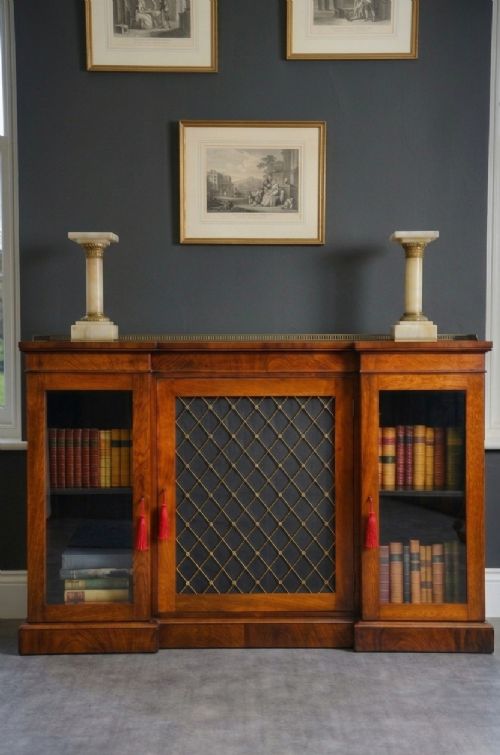
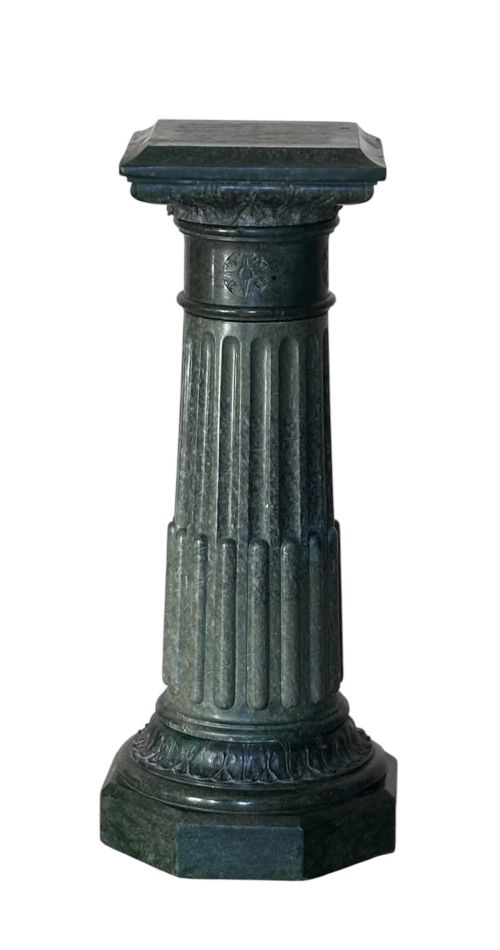
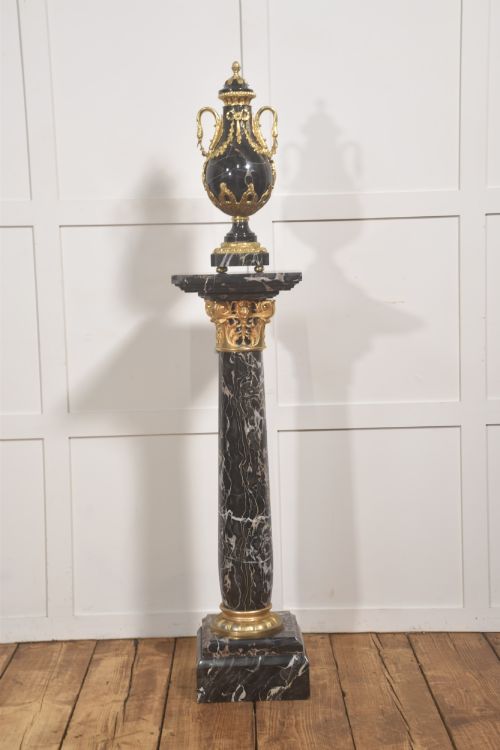
Stone variants incorporate marbles like verd antique, bardiglio, carrara and arabescato, sometimes paired with scagliola or cast iron and composite stone for garden settings. Ormolu collars and mounts frequently accent these stone shafts, adding gilded bronze detail.
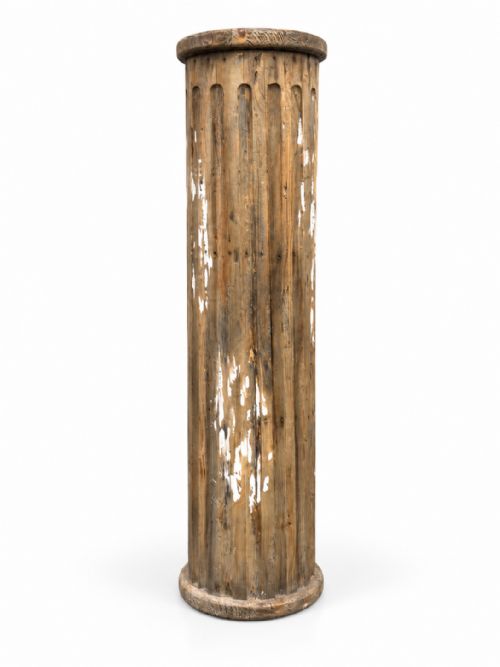
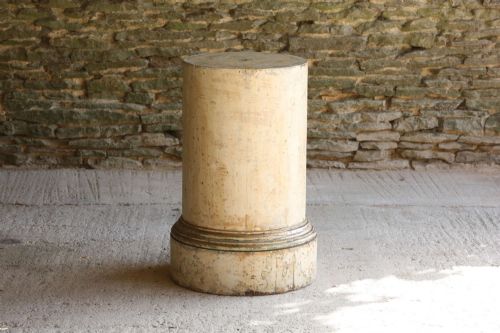
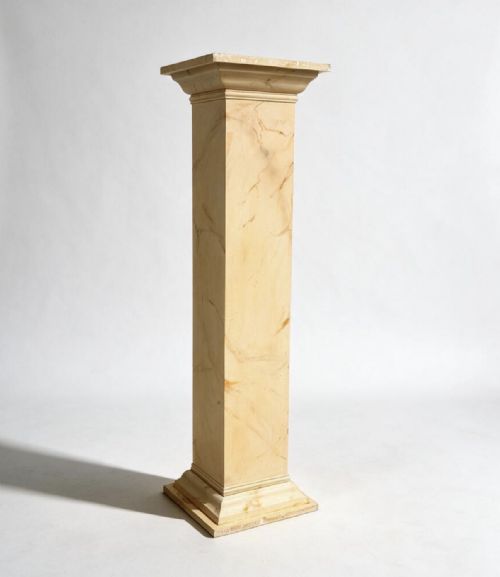
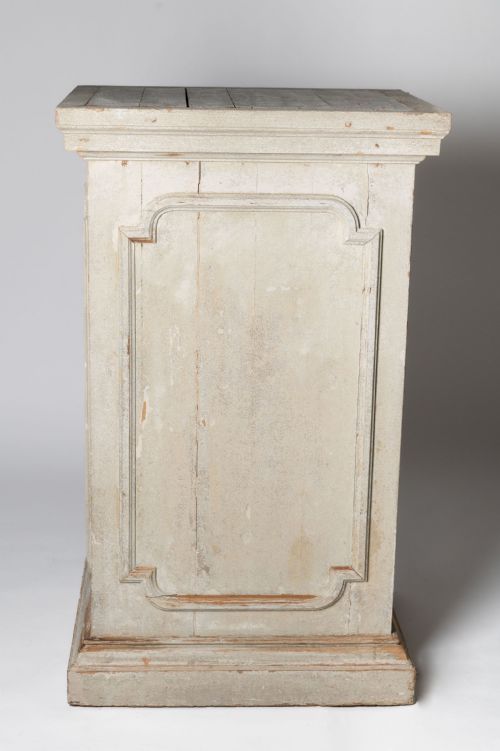
Painted finishes and faux marble techniques offered an accessible alternative to solid stone or exotic timber. Plaster and painted wood pieces demonstrate how makers replicated grand architectural materials for domestic use.
Column Plinth Stands Retail Price Guide 2026
Typical asking prices for column plinth stands among the pieces listed under this phrase on Sellingantiques today, from the lower quarter to the upper quarter. They describe what is for sale here now, not the wider market.
Listings feature woods like mahogany and satinwood alongside natural stones including carrara, onyx and verd antique.
Assessing Build and Aesthetic Merit
Quality rests in the integrity of the materials and the precision of the carving or turning. Solid marbles and finely figured timbers command attention through their weight and natural grain depth.
Proportion and structural balance dictate the success of a piece, particularly when supporting heavy statuary or vases. Finer examples display harmonious tapering and secure joints that distribute weight evenly to the base.
Gillow and Co.
The Column Plinth Stands Glossary
- Ormolu
- Gilded bronze mounts applied to furniture and decorative objects. This technique adds metallic highlights, particularly popular on nineteenth-century French columns.
- Scagliola
- A composite material made from selenite, glue and pigments, mimicking true marble. Artisans applied this technique to achieve variegated stone effects without excessive weight.
- Solomonic
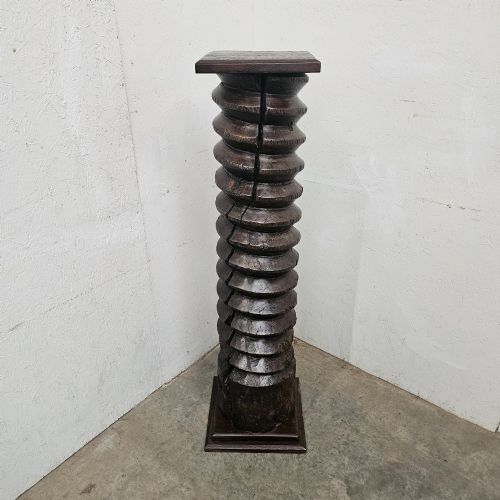
- A helical column shaft winding in a spiral helix. This ancient architectural form appears in carved wooden pedestals from earlier periods.
- Neoclassical
- A style drawing inspiration from classical antiquity, featuring clean lines and architectural orders. It heavily influences the design of nineteenth-century display columns.
Column Plinth Stands: Frequently Asked Questions
How do I choose the right height?
Consider the object you intend to display and the surrounding furniture scale. Standard heights vary depending on whether the piece is meant to hold a tabletop vase or a life-sized bust.
Taller columns work well for smaller bronzes or trailing plants, while shorter plinths suit heavier marble busts that require a more grounded viewing angle.
Can these stands support heavy stone statues?
Solid wood and genuine stone columns generally offer robust support for substantial weights. The underlying construction and base width determine load capacity.
Heavier items require sturdy wooden pedestals with reinforced internal framing or solid marble shafts with wide, stable footings to prevent tipping.
Are these pieces suitable for outdoor use?
Most antique wooden and interior marble columns belong indoors away from moisture and temperature extremes. Exposure to weather ruins polished timber and delicate veneers.
Cast iron and composite stone versions are specifically engineered for garden settings and withstand outdoor elements far better than interior furniture.
How do I care for marble tops?
Dust regularly with a soft, dry cloth to prevent surface scratching. Avoid acidic cleaners that etch polished stone surfaces.
Use protective pads beneath heavy or abrasive objects placed on the marble surface to preserve the original polish over time.