
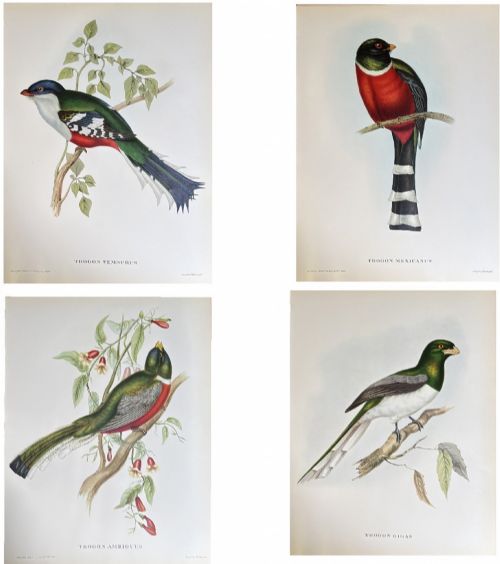
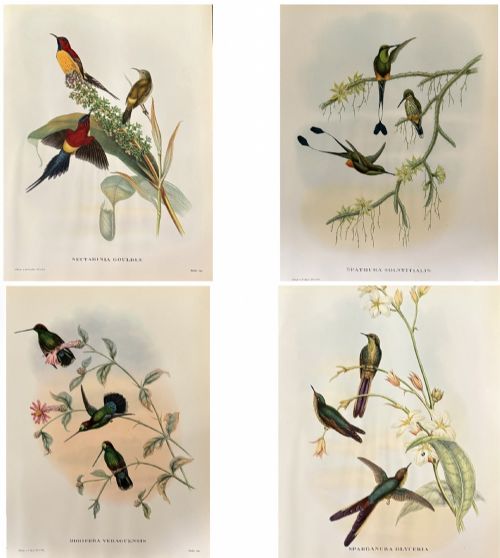
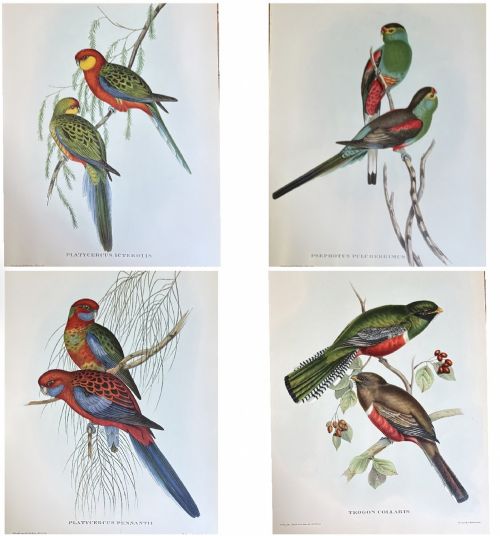
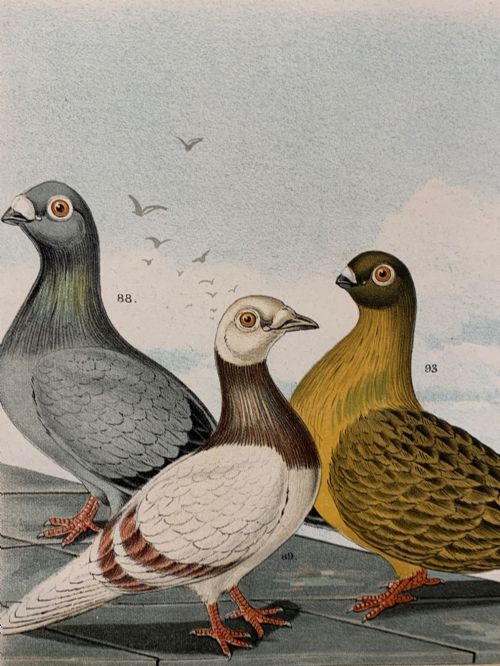



Colour Lithograph Paper Prints
These colour lithograph paper prints bring vibrant historical scenes and natural history subjects directly to your walls.
Colour Lithograph Paper Prints
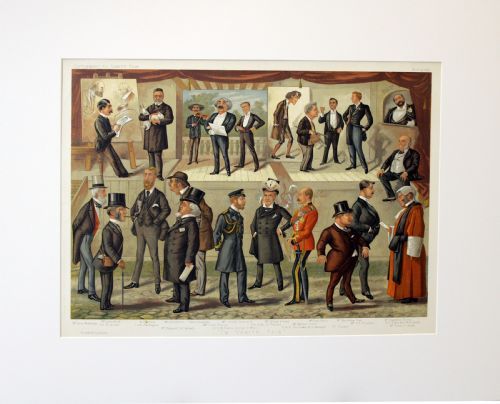
When you search for colour lithograph paper prints, you encounter a diverse selection of works on paper spanning the Georgian, Victorian, and Edwardian eras. These pieces capture everything from natural history and political satire to theatrical scenes and architectural views.
The objects available include single sheets, framed examples, and sets of prints depicting subjects such as tropical birds, pigeon breeds, and society portraits. Many examples originate from the nineteenth century, reflecting the vibrant print culture of the period.
Buyers frequently find works associated with prominent nineteenth-century publications and artists, offering a direct window into historical illustration. The collection showcases various styles ranging from natural history plates to theatrical caricatures.
How they were made
The production of these works relies fundamentally on paper and ink, utilising the lithographic process to build up rich hues through successive stones or plates. Artists and printers sometimes added watercolour by hand to enhance the visual depth of the printed image.
Framed examples often incorporate glass, wood, mount board, and occasional accents of gold leaf to protect and display the paper sheet. These framing elements range from simple protective borders to period-appropriate decorative surrounds.
The listings span multiple decades from the Georgian period through the Victorian and Edwardian eras up to nineteen fifty.
What varies in quality
The distinction between different examples often lies in the crispness of the impression and the vibrancy of the ink colours remaining on the paper sheet. Richly inked plates retain stronger visual impact than faded or heavily worn impressions.
Condition plays a significant role in the overall character of the piece, particularly regarding the preservation of the original paper margins and the absence of heavy discoloration. Complete sets and unfolded double-page formats generally command greater interest from collectors.
The Colour Lithograph Paper Prints Glossary
- Lithograph
- A print produced by drawing or painting on a limestone slab or metal plate with a greasy substance so that ink adheres only to the designated areas. This technique allowed for the mass production of detailed multi-coloured images.
- Chromolithograph
- A colour lithograph produced using multiple stones, with a separate stone dedicated to each colour used in the composition. This method created remarkably rich and painterly results.
- Double page
- A larger print format designed to span two facing pages in a periodical or book, typically featuring a central vertical fold. These sheets offer a wider compositional area for panoramic or group scenes.
- Mount board
- A heavy paperboard used to frame and support works of art on paper, preventing direct contact with the glass. Quality mounting materials protect the fragile paper edges over time.
- Watercolour
- A transparent paint medium sometimes applied by hand over the printed lithographic lines to introduce subtle tonal variations. This hybrid approach combined mechanical printing with individual artistic touch.
Colour Lithograph Paper Prints: Frequently Asked Questions
How should I frame historic paper prints?
Historic prints require conservation-grade mounting materials that keep the paper surface away from the protective glass. Using acid-free backing boards prevents long-term chemical damage to the delicate cellulose fibres.
Positioning the framed work away from direct sunlight preserves the original ink pigments and prevents the paper from yellowing. Simple wooden frames often complement the historical character of nineteenth-century plates without overwhelming the artwork.
What subjects do these antique lithographs cover?
The available subjects range widely from ornithological studies and sporting scenes to theatrical caricatures and topographical views. Natural history plates, such as tropical birds and pigeon breeds, offer detailed scientific illustration from the period.
Other examples capture social satire, political commentary, and architectural landmarks like Sheffield and Dalkeith House. This variety allows collectors to focus on specific cultural or historical themes that match their personal interests.
What is a Vanity Fair print?
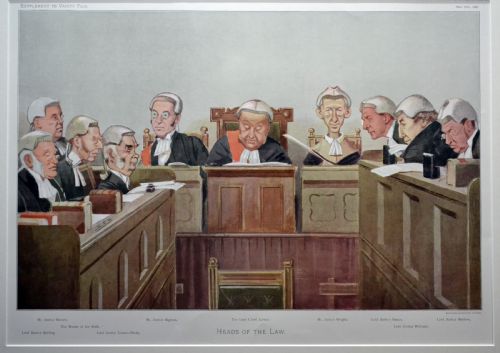
Vanity Fair prints are satirical portrait lithographs published in the British weekly magazine between eighteen sixty-nine and nineteen fourteen. They famously depicted prominent public figures, actors, and legal personalities of the era.
These characteristic caricatures were created by artists operating under pseudonyms such as Spy and Ape. Collectors prize them for their witty observations of Victorian and Edwardian society.