
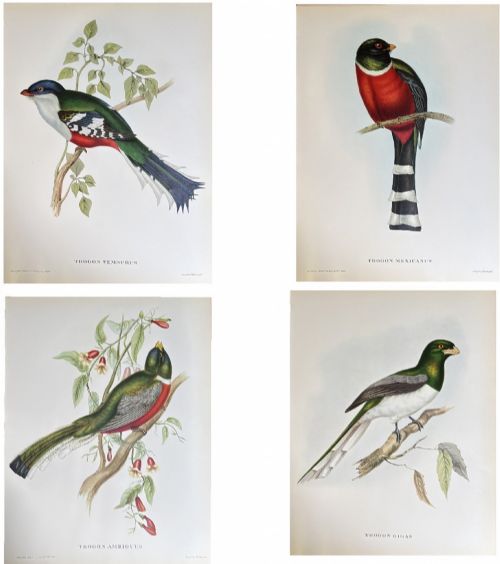
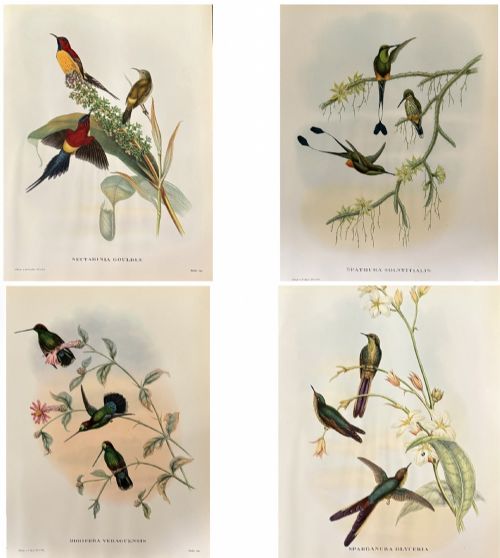
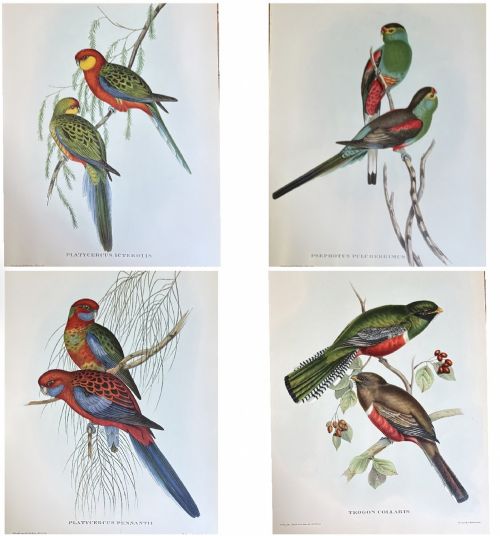
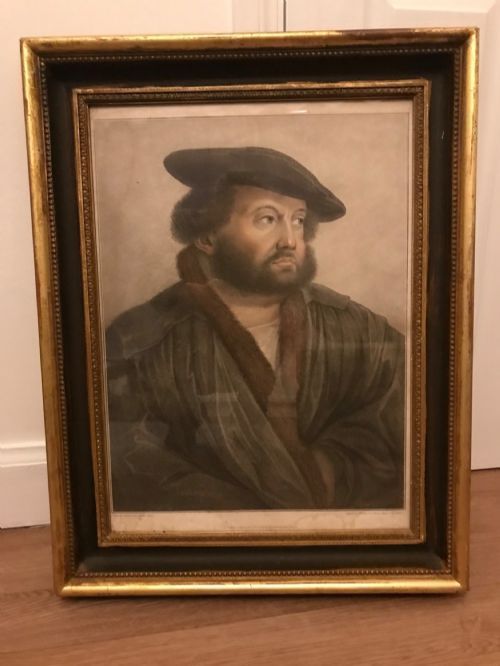


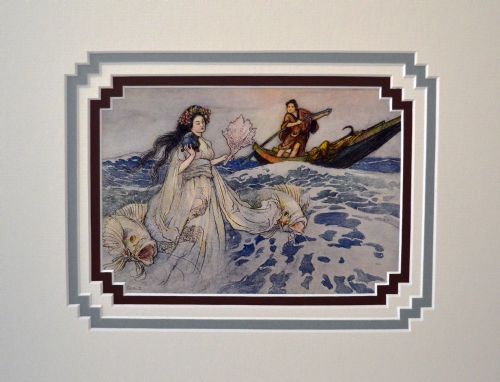
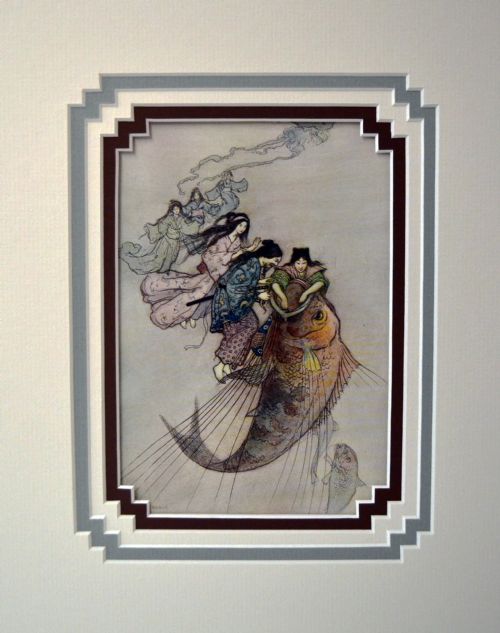
Antique Coloured Paper Prints
These antique coloured paper prints bring centuries of hand-applied pigment, engraving, and cartography straight to the wall.
Antique Coloured Paper Prints
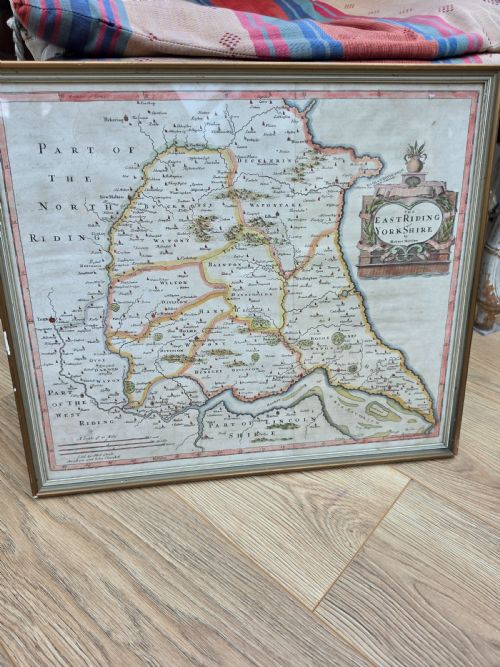
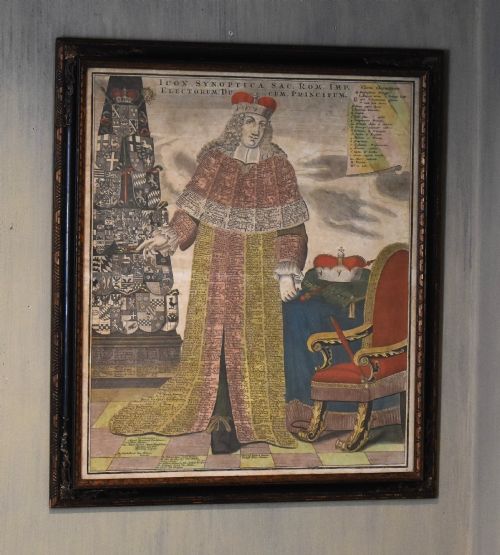
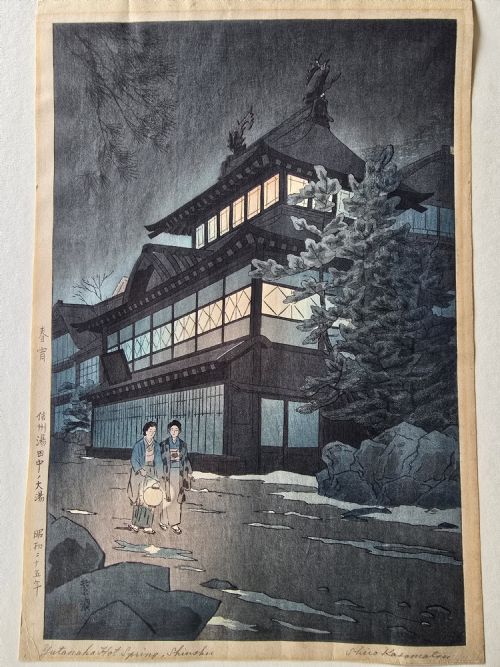
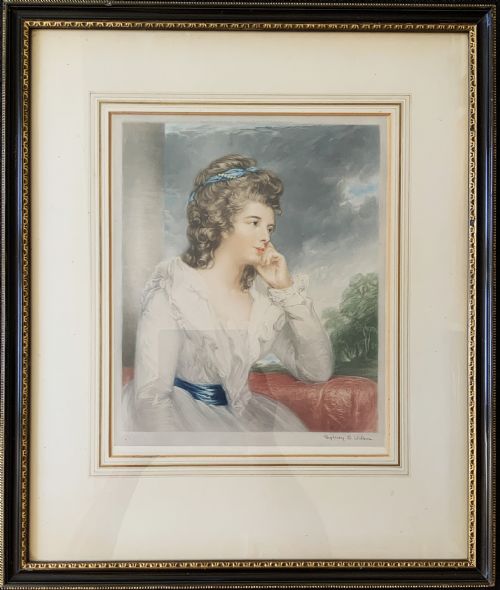
When searching for antique coloured paper prints, buyers encounter a diverse selection of works spanning the seventeenth century through to the mid twentieth century. These items encompass framed maps, botanical studies, portraiture, and satirical scenes produced across Britain and continental Europe.
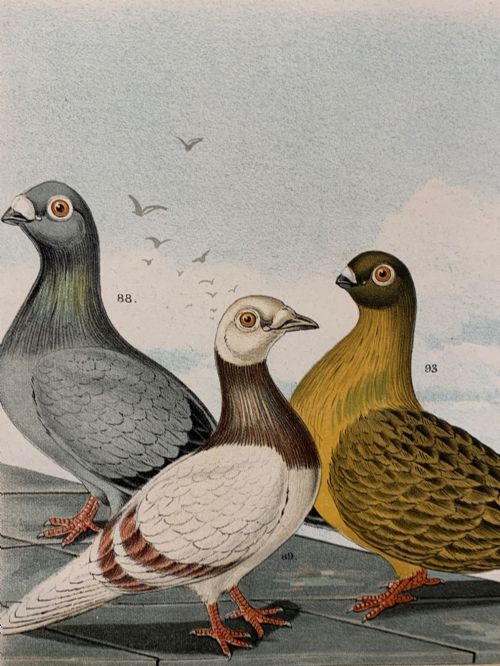
The assortment on this page leans heavily toward eighteenth and nineteenth century examples, with notable seventeenth century cartography and early twentieth century illustration also present. Buyers frequently find framed county maps, bird studies, and hand-tinted engravings ready for display.
How they were made
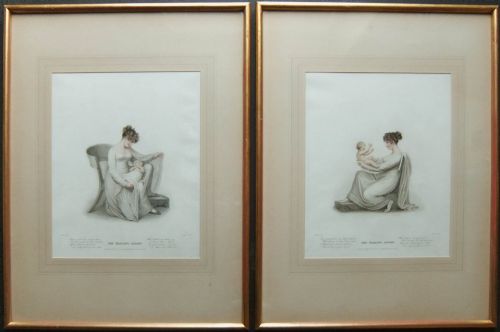
The underlying images rely on printmaking techniques such as copperplate engraving, etching, stipple, lithography, and wood engraving executed on paper. Ink provides the primary linear structure for maps, portraits, and narrative scenes.
Colour is typically introduced by hand using watercolour washes applied over the printed line, though later items utilise chromolithography for polychrome effects. Framing often incorporates wood, glass, mount board, and occasionally gold leaf details.
The listings span from pre sixteenth century cartography up to mid twentieth century bird prints on paper.
What varies in quality
Quality in these works rests upon the crispness of the original impression and the precision of the hand-applied pigment. Early print runs pulled from fresh plates yield sharper lines than later impressions.
The skill of the colourist dictates the visual success of the piece, with subtle, accurate washes outperforming heavy, opaque applications. Conservation state, paper integrity, and the quality of historical framing also separate standard examples from finer specimens.
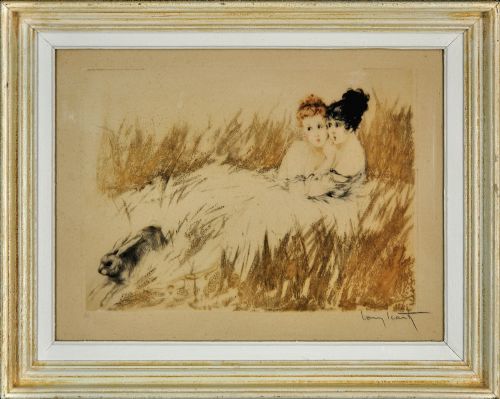
John Speed·Joan Blaeu·Robert Morden·Louis Icart·Warwick Goble
The Antique Coloured Paper Prints Glossary
- Engraving
- A printmaking process where an artist cuts lines into a metal plate with a burin. The inked plate transfers the design under pressure to paper.
- Lithography
- A planographic printing method based on the mutual repulsion of oil and water. Artists draw on limestone or metal plates to produce multiple impressions.
- Chromolithography
- A multicolour lithographic technique that uses a separate stone for each colour applied. This method allowed vibrant commercial prints to emerge in the nineteenth century.
- Cartography
- The science and practice of drawing maps. Antique examples often feature decorative cartouches and hand-coloured borders.
- Stipple engraving
- A method of creating tonal gradations using a dense pattern of dots rather than continuous lines. It gained popularity for soft portraits.
Antique Coloured Paper Prints: Frequently Asked Questions
How should I hang antique prints?
Keep framed pieces away from direct sunlight to prevent the watercolour pigments and paper from fading over time. Maintain a stable room temperature to avoid moisture damage.
Use professional framing with acid free backing materials to protect the paper sheet during long periods on the wall.
Are these prints hand coloured?
Many examples feature original hand-applied watercolour washes over engraved or etched lines. Close inspection reveals brush strokes and subtle variations in tone.
Later Victorian and twentieth century pieces often utilise mechanical printing methods such as chromolithography for colour reproduction.
How do I identify the age?
Dating relies on paper characteristics, printing technology, typography, and stylistic markers within the image. Cartographic works often include historical place names or publisher credits.
Reference signatures, publication dates etched on plates, and framing styles help narrow down the period of production.
Can I remove prints from frames?
Removing historical works from old frames risks damaging brittle paper and archival mounts. Many items retain original or period framing that contributes to their historical character.
Consult a professional paper conservator before attempting any reframing or cleaning of antique sheets.