
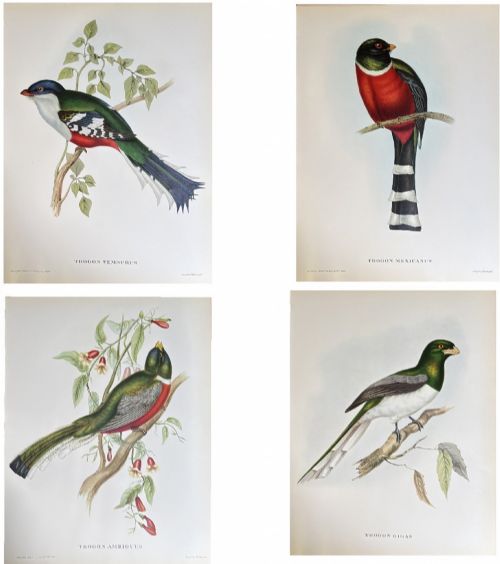
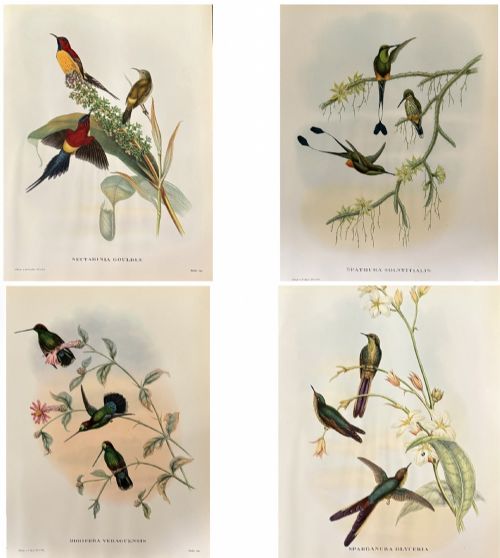
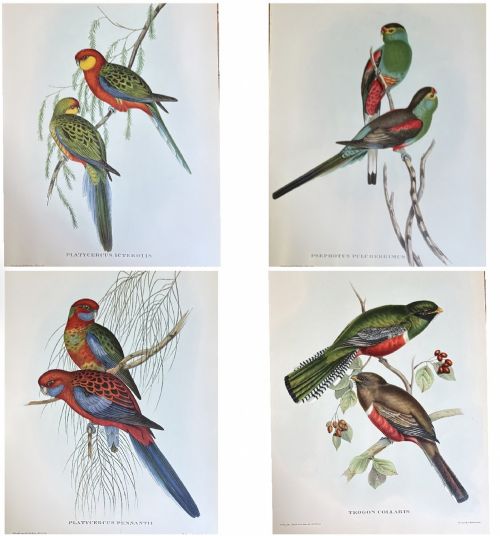
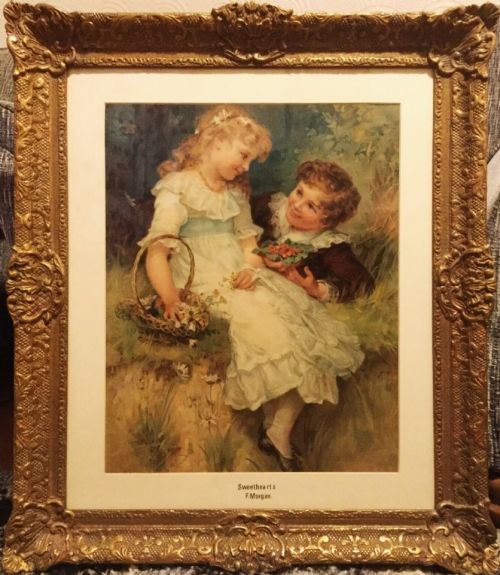




Colour Lithograph Art Print
A colour lithograph art print brings graphic history and natural history directly to your walls.
Colour Lithograph Art Print
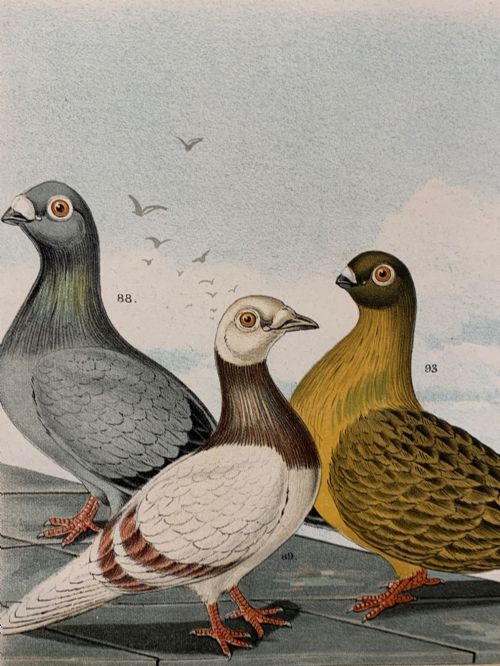
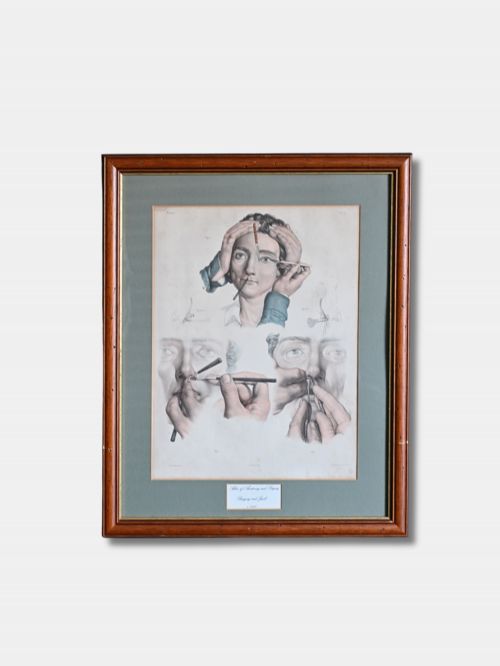
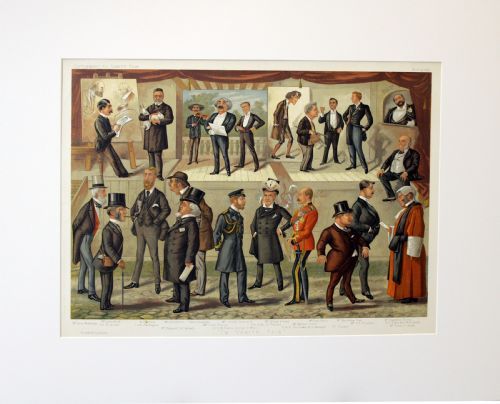
A colour lithograph art print captures the detailed imagery produced from the 19th century onwards, encompassing subjects from natural history to portraiture. When you search for this phrase, you encounter framed pieces, sets of prints, and portfolio pages spanning the Victorian, Edwardian, and Georgian periods.
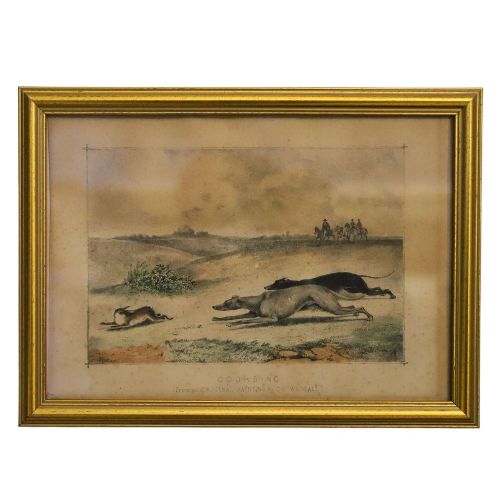
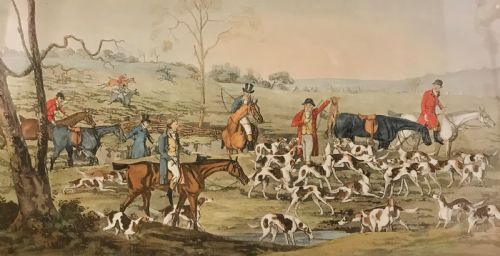
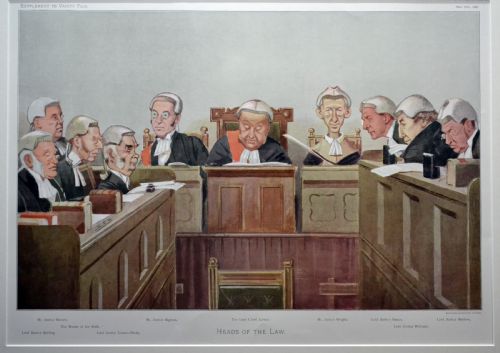
The selections on this page lean heavily towards framed art, antique prints, and wall art. Natural history studies, satirical cartoons, and sporting scenes appear frequently among the available works.
How they were made
Makers utilised ink upon paper surfaces, frequently applying hand-colouring or gold leaf to enhance the printed lines. Chromolithography allowed multiple ink stones to build complex colour layers.
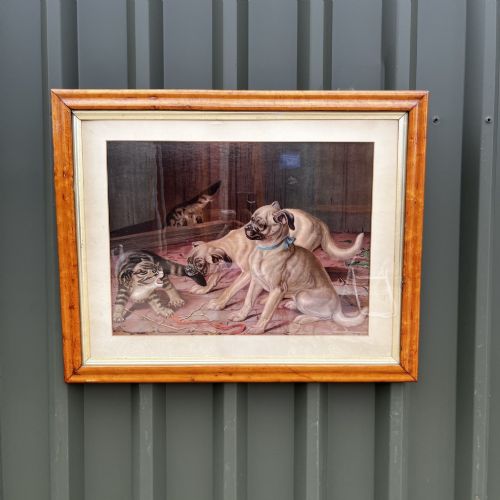
Many surviving examples are housed behind glass within wooden frames, occasionally gilt or gilded to complement the interior aesthetic of the period.
The listings span the 18th, 19th, and 20th centuries, featuring paper, ink, watercolour, and gilt wood materials.
What varies in quality
The clarity of the ink transfer and the precision of the registration during multi-colour printing set exceptional pieces apart from standard impressions. Fine hand-colouring applied over the lithographic base adds depth that flat mechanical printing lacks.
Condition of the paper and the integrity of the framing materials dictate the overall desirability of an individual print. Original framing, where present, preserves the historical context of the work.
David Roberts·Thomas Worth·Horatio Henry Couldrey·William Powell Frith·C. H. Weigall
The Colour Lithograph Art Print Glossary
- Lithography
- A planographic printing process based on the antipathy of oil and water, utilising a flat stone or metal plate. This technique enabled the mass production of detailed images.
- Chromolithography
- A colour lithographic process employing multiple stones, one for each colour, to build up a rich polychrome image. It dominated commercial colour printing in the 19th century.
- Hand-coloured
- A print finished with watercolour or gouache applied by hand after the initial printing process. This adds individual character and tone to each sheet.
- Gilt wood
- Wood decorated with gold leaf or gold paint, commonly found on period picture frames. It provides a reflective border that isolates the print from the wall.
Colour Lithograph Art Print: Frequently Asked Questions
How do I hang a framed lithograph?
Hang your framed print out of direct sunlight to prevent the ink and paper from fading over time. Secure the piece using appropriate wall fixings that match the weight of the wood and glass.
Group related subjects, such as natural history series or portrait sets, together on a single wall to create a cohesive display.
What periods do these prints cover?
The available selection spans from the Georgian era through the Victorian and Edwardian periods up to the mid-20th century. Each era brings distinct paper qualities and subject matter.
Earlier 19th-century works often feature hand-colouring, whilst later Victorian items frequently utilise advanced chromolithographic techniques.
Are these prints originals from the date stated?
The listings include original printings from the specific decades and centuries cited in the titles, such as 19th-century impressions and mid-20th-century plate sets. Check the individual description for the exact date of publication.
Original periodical pages and contemporary plate books form a significant portion of the items found here.
How were these prints originally used?
Many of these pieces served as book illustrations, satirical magazine inserts, or standalone decorative plates for domestic interiors. Vanity Fair prints and journal plates were widely collected and bound or framed by contemporary owners.
Natural history sets were similarly issued for study and display by enthusiastic naturalists and collectors.