



Colonial Wooden Box
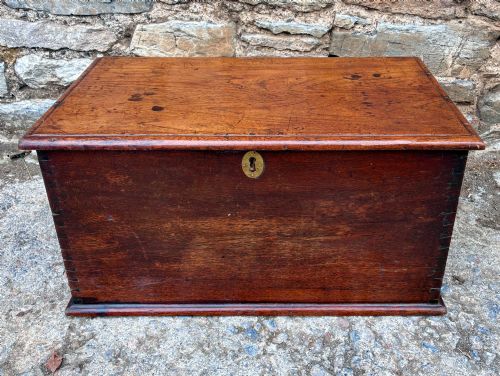
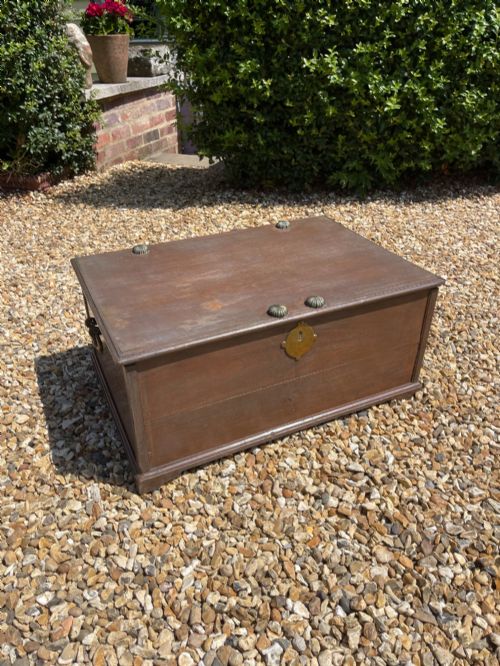
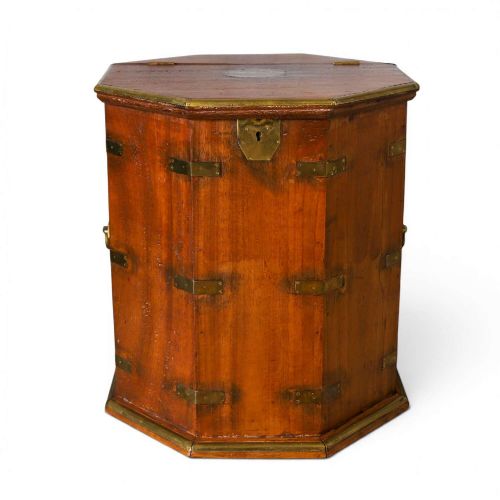
A colonial wooden box is a portable piece of heritage furniture, built from dense tropical hardwoods and bound in brass for travel across empires.
Colonial Wooden Box
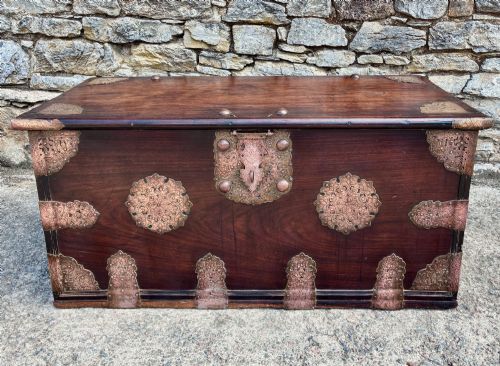
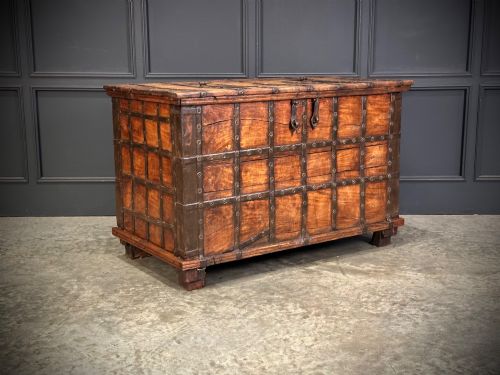
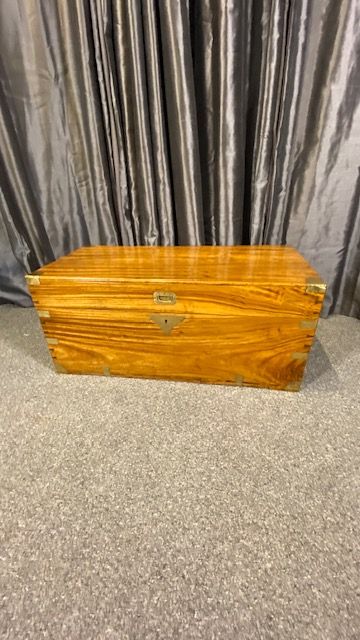
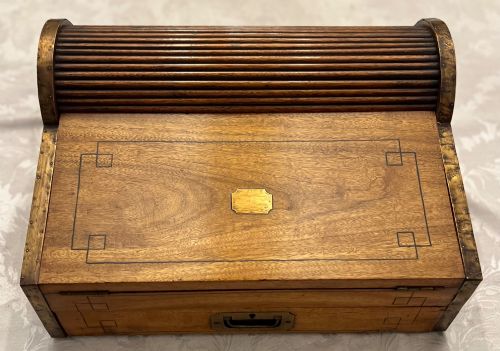
When you search for a colonial wooden box, you are looking at utilitarian containers made for travel, storage and administration during the eighteenth and nineteenth centuries. These objects range from massive camphor wood trunks and blanket chests to smaller writing boxes, deed boxes and spice caskets.
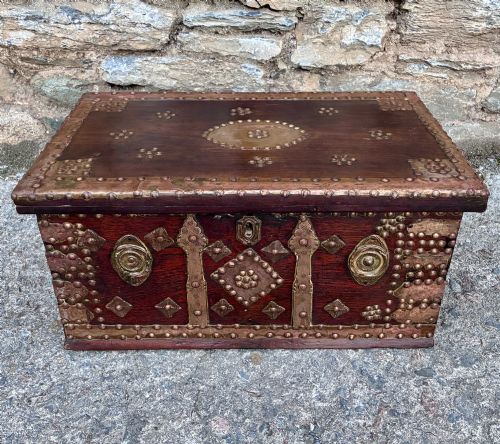
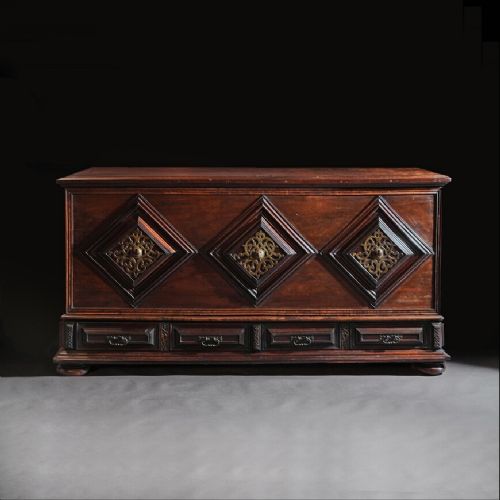
The versions you are most likely to meet on this page hail from British India, Ceylon, Zanzibar, and Dutch colonies. They appear in styles such as Anglo-Indian, campaign, and Victorian military, reflecting the administrative and travelling lives of officers, merchants, and officials abroad.
How they were made
Carpenters constructed these pieces from durable, insect-resistant timbers such as camphor wood, teak, padouk, and mahogany, often pairing them with contrasting ebony or bone details. These woods withstood tropical humidity and the rigours of sea voyages without warping or succumbing to boring pests.
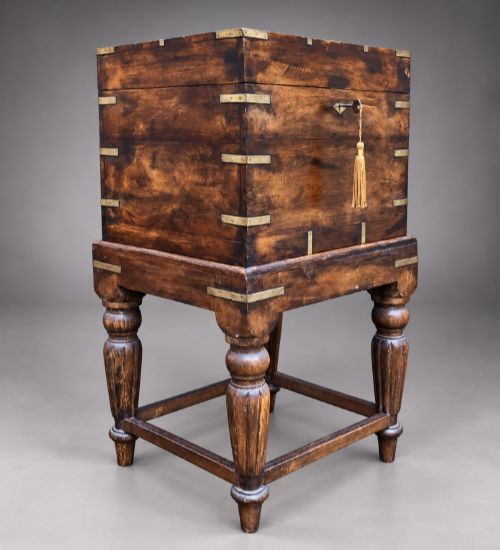
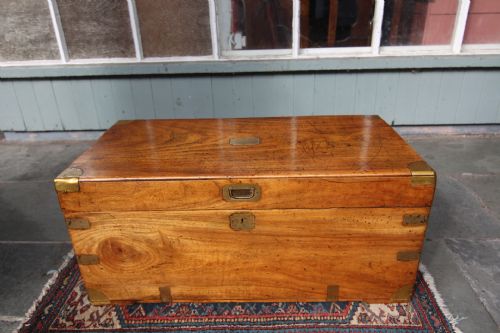
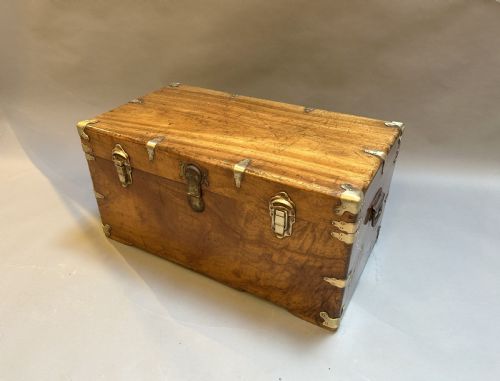
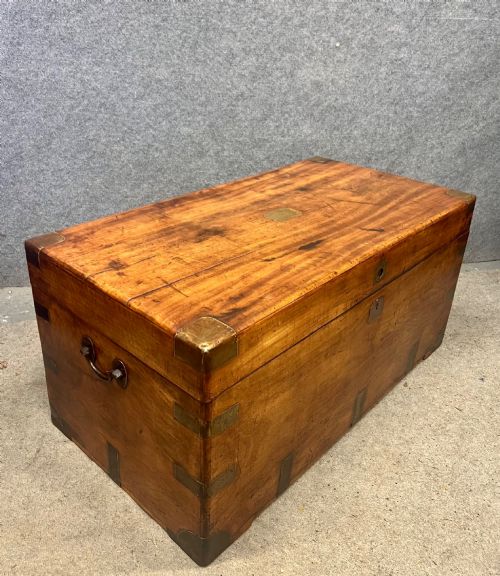
Robust hardware defines the construction, with recessed brass carrying handles, corner brackets, straps, and elaborate lock plates secured by pins or screws. This metalwork protected vulnerable joints from the bumps of transit and reinforced the heavy planking.
Colonial Wooden Box Retail Price Guide 2026
Typical asking prices for colonial wooden box among the pieces listed under this phrase on Sellingantiques today, from the lower quarter to the upper quarter. They describe what is for sale here now, not the wider market.
Lift the lid of a nineteenth-century camphor chest and the lingering scent of wood resin still whispers of old sea voyages.
What varies in quality
The division between standard utility items and superior examples lies in the selection of timber and the precision of the joinery. Dense, highly figured grains and heavy gauge brass mounts separate presentation pieces made for high-ranking officers from basic shipping trunks.
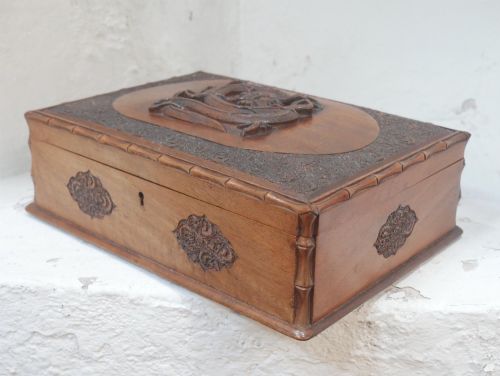
Carving depth and decorative restraint further separate the grades, as crisp, deeply undercut foliage on sandalwood or teak indicates skilled regional workshops, whereas shallow or mechanical surface scoring points to lower-tier production.
The Colonial Wooden Box Glossary
- Campaign chest
- A portable case split into modular sections with flush-fitting brass handles, designed for easy dismantling and transport on military campaigns.
- Camphor wood
- An aromatic Southeast Asian timber prized for its insect-repellent properties, commonly used to line storage chests and trunks.
- Cellarette
- A lockable container designed specifically to store bottles of wine or spirits safely during transport.
- Padouk
- A heavy, durable reddish-brown tropical hardwood utilised extensively in fine Anglo-Indian furniture and storage boxes.
- Teapoy
- A small pedestal table or box designed for storing and serving tea, frequently associated with colonial Indian craftsmanship.
Colonial Wooden Box: Frequently Asked Questions
What is a campaign box?
A campaign box is a portable piece of furniture designed for military officers on the move. These items feature recessed brass handles and reinforced corners to withstand frequent packing.
They were built to dismantle or stack efficiently for transport on horses, ships, or carts across distant territories.
Why use camphor wood?
Camphor wood emits a strong, distinct aroma that naturally deters moths, silverfish, and other destructive insects. This made it the preferred material for protecting uniforms, blankets, and documents in humid climates.
Over decades, the wood retains much of its original scent, continuing its protective function.
How do I care for my box?
Keep wooden boxes away from direct heat sources and sudden temperature shifts to prevent the timber from splitting. Regular dusting with a dry cloth and occasional application of appropriate wax maintains the finish.
Avoid using harsh chemical polishes on the brass hardware, as gentle cleaning preserves the natural patina accumulated over centuries.
How do I identify Anglo-Indian pieces?
Anglo-Indian pieces combine traditional British furniture forms with local materials and intricate regional carving styles. Look for dense tropical timbers like padouk and teak paired with elaborate floral motifs.
Many of these items also incorporate bone inlay or distinctive brass strapwork executed by local artisans.