




Colonial Specimen Table
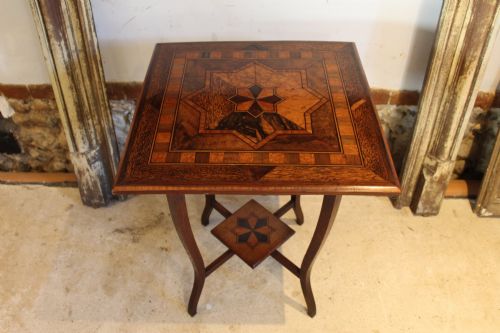
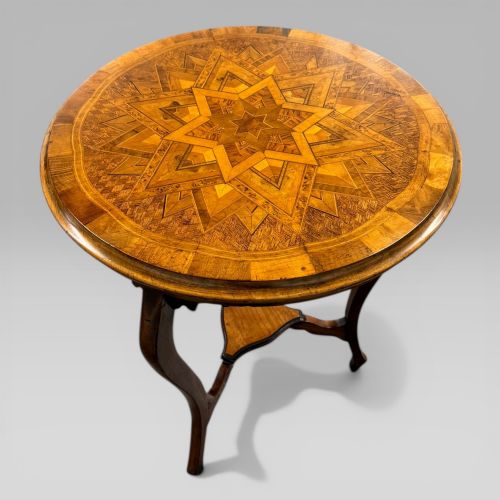
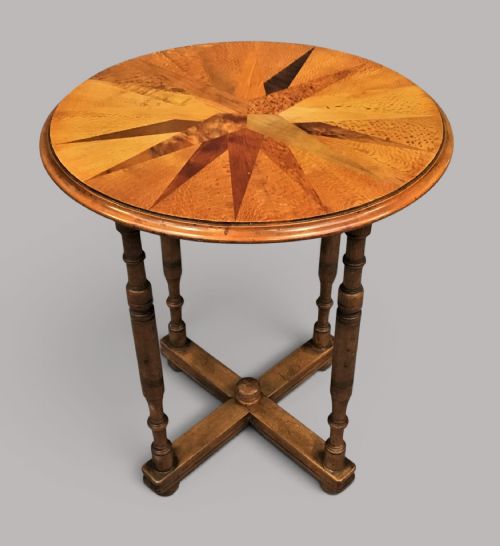
A colonial specimen table gathers varied exotic timbers into a polished surface, offering intricate geometric or marquetry tops suited to period interiors.
Colonial Specimen Table
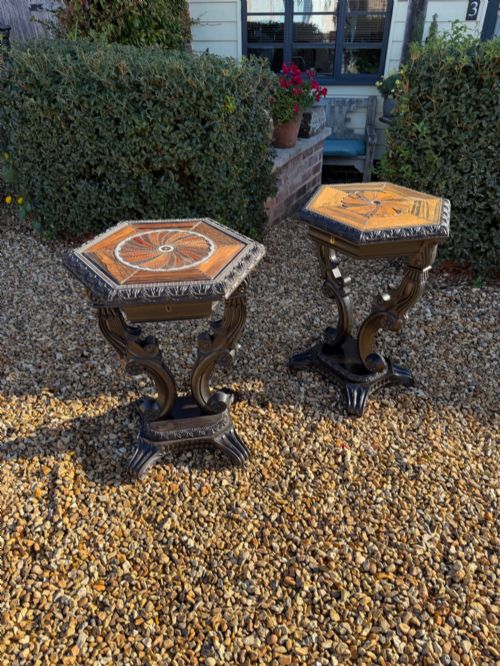
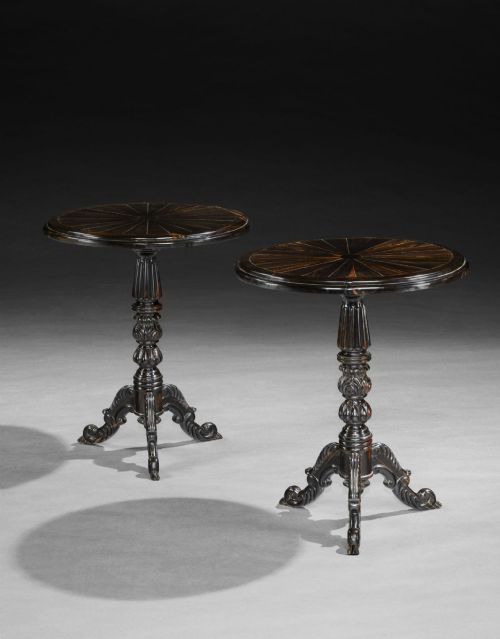
A colonial specimen table brings together diverse regional timbers in distinctive occasional, side, and centre table forms. These pieces date from the nineteenth century, including specific years like eighteen seventy and nineteen ten, reflecting British colonial reach.
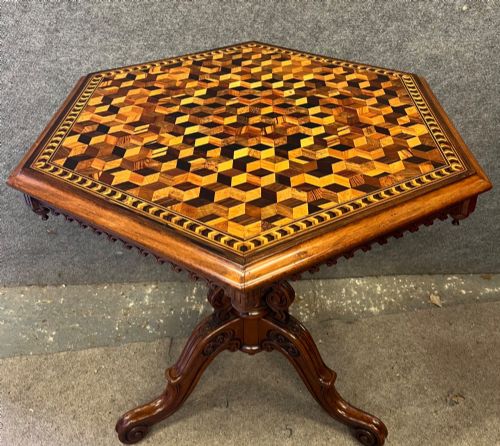
The styles span Victorian colonial, Anglo-Indian colonial, and Anglo-Ceylonese colonial alongside New Zealand native timber work. Buyers most frequently meet occasional tables and centre tables showcasing dense geometric marquetry.
Origins stretch across Jamaica, the West Indies, Ceylon, and New Zealand, each region utilising its own distinctive flora. Such tables served utilitarian purposes in drawing rooms while demonstrating the botanical variety of the empire.
How they were made
Cabinetmakers constructed these tables using solid native hardwoods and exotic timbers such as ebony, mahogany, satinwood, and walnut. Marquetry top surfaces were meticulously assembled from numerous small wood specimens arranged in complex patterns.
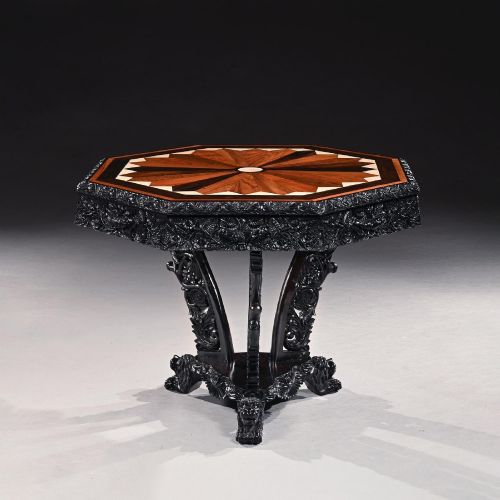
Carving appeared on structural elements like pedestals and friezes, particularly in Anglo-Ceylonese and Indian workshops. Specialised turning and joinery secured heavy native timbers including kauri wood and various colonial hardwoods.
Colonial Specimen Table Retail Price Guide 2026
Typical asking prices for colonial specimen table among the pieces listed under this phrase on Sellingantiques today, from the lower quarter to the upper quarter. They describe what is for sale here now, not the wider market.
Listings feature nineteenth-century pieces incorporating ebony, satinwood, mahogany, and native New Zealand timbers.
What varies in quality
The complexity and precision of the wood marquetry define the upper tier of these pieces. Tables with extensive geometric variation across the top surface demand greater technical mastery from the maker.
The choice and rarity of native timbers influence the stature of a piece. Dense, finely figured ebony or diverse native wood arrays distinguish superior workshop output from simpler vernacular examples.
Ralph Turnbull·Anton Seuffert·William Norrie
The Colonial Specimen Table Glossary
- Specimen wood
- Timber selected for its specific grain, colour, or botanical origin rather than general utility. These numerous small pieces form the decorative tops of the tables.
- Marquetry
- The art of applying small veneer pieces to a structure to form decorative patterns. This technique creates the intricate geometric surfaces seen on nineteenth-century examples.
- Occasional table
- A small, movable table designed for general use in a reception room. These formats frequently showcase the detailed marquetry work.
- Native timbers
- Woods indigenous to the specific colony where the furniture was produced. Examples include kauri wood and regional hardwoods.
- Centre table
- A freestanding piece designed to be viewed from all sides in the middle of a room. These larger formats often carry elaborate specimen tops.
Colonial Specimen Table: Frequently Asked Questions
What is a colonial specimen table?
A colonial specimen table is a nineteenth-century occasional or centre table featuring a top composed of many small geometric wood pieces. These items were produced in regions like Ceylon, the West Indies, and New Zealand.
Cabinetmakers utilised local exotic timbers and native hardwoods to showcase the botanical diversity of the colonies. The resulting surfaces often display elaborate marquetry patterns.
Where were these tables made?
Production occurred across various British colonies during the nineteenth century, including Jamaica, Ceylon, India, and New Zealand. Each region utilised distinct local timbers.
Workshops in these locations exported finished occasional and centre tables to Britain and other markets. The choice of materials directly reflects the geography of production.
How do I identify the wood types?
Identifying the woods involves examining the grain, colour, and density of the individual specimens within the table top. Common materials include dark ebony, rich mahogany, satinwood, and regional native hardwoods.
Reference materials and expert examination help distinguish specific exotic timbers used by colonial makers. Certain woods point directly to origins such as New Zealand or Ceylon.
How should I care for a specimen table?
Care requires maintaining stable room temperature and humidity to protect the numerous glued marquetry specimens. Sudden environmental shifts can cause shrinkage or movement in the diverse timber pieces.
Polishing should be minimal and appropriate for nineteenth-century furniture finishes. Keeping the table out of direct sunlight preserves the natural colours of the exotic woods.