

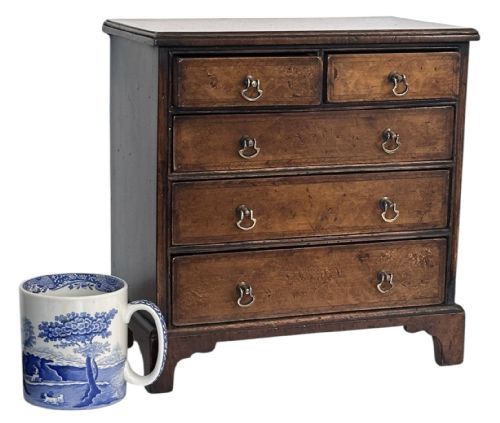


Collector Miniature Furniture
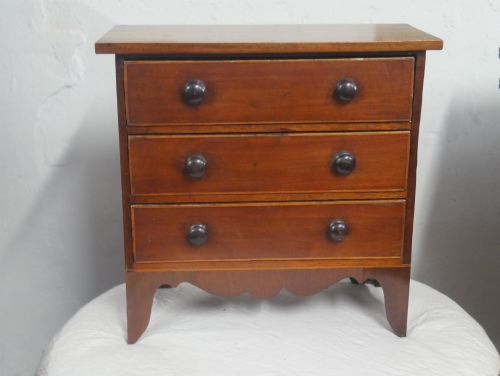
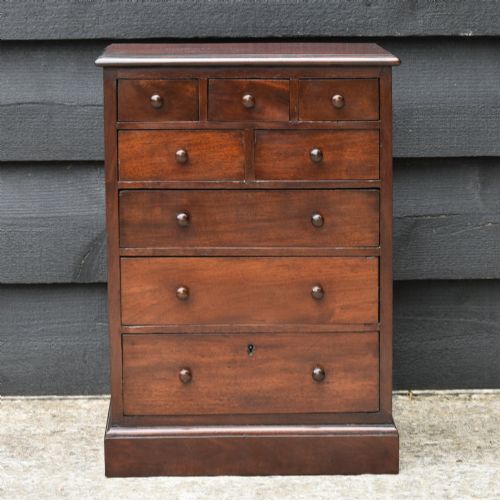
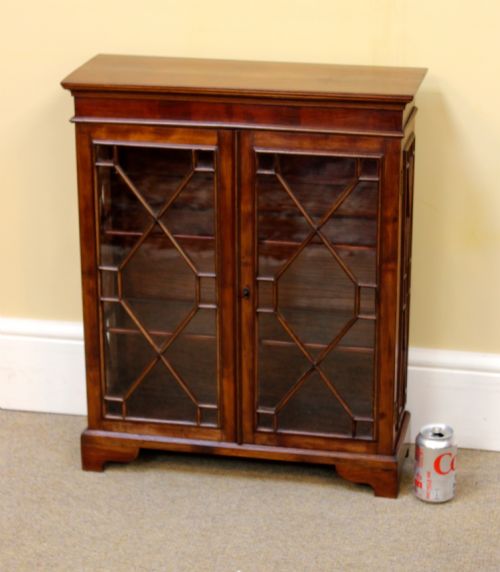
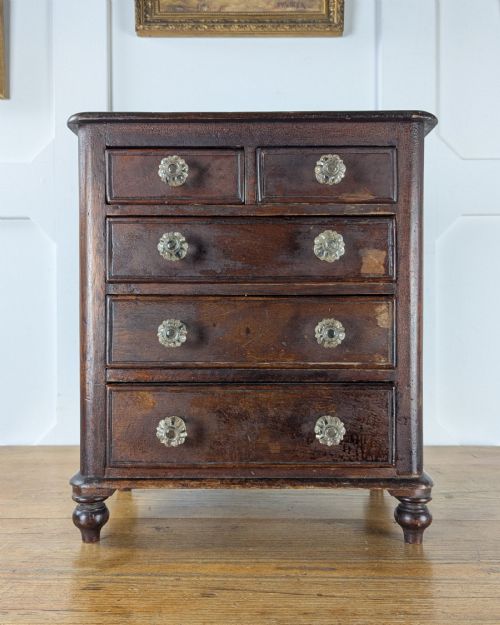
Collector miniature furniture comprises small-scale chests, cabinets, and tallboys built as samples or display pieces, offering remarkable craftsmanship in miniature.
Collector Miniature Furniture
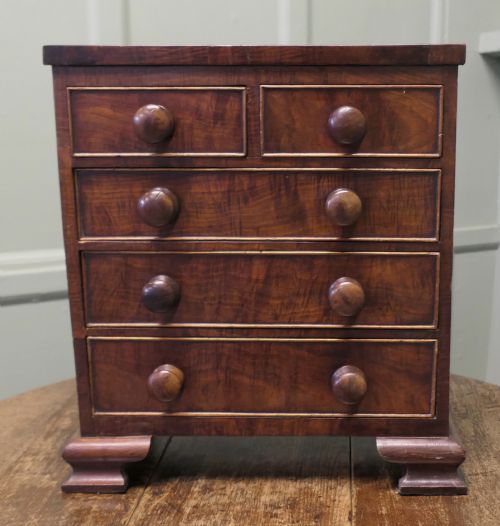
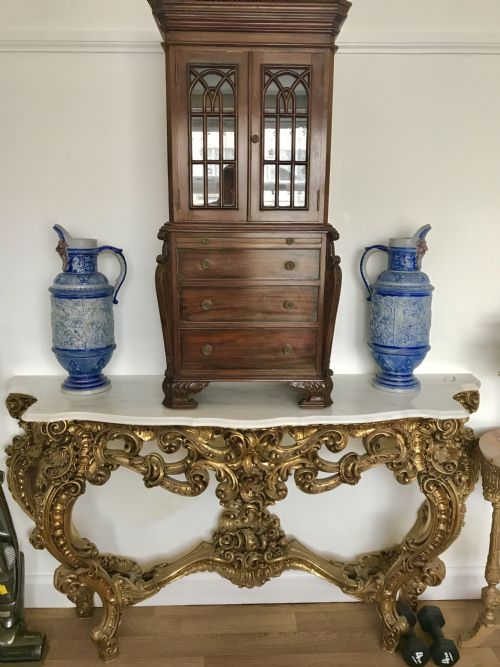
Collector miniature furniture represents a diverse category of small-scale case pieces, spanning chest of drawers, cabinets on stand, table cabinets, and bureau bookcases. These items reflect full-size cabinet-making traditions scaled down for display, trade samples, or apprentice demonstrations.
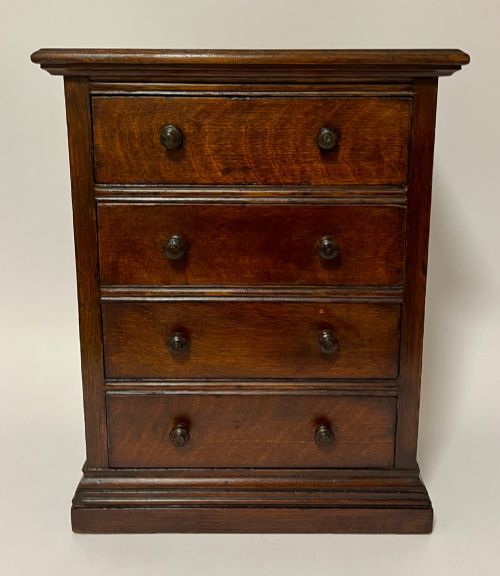
The pieces appearing here include examples from the 17th century through to the early 20th century, encompassing Georgian, Regency, and Victorian periods. Buyers encounter regional variations such as Welsh oak chests, Anglo-Indian hardwood pieces, and Scottish apprentice pieces.
Chest of drawers forms dominate the selection, often featuring miniature proportions, secret drawers, and fitted interiors. Cabinets, tallboys, and display units provide alternative storage forms within the miniature scale.
Materials and Construction Techniques
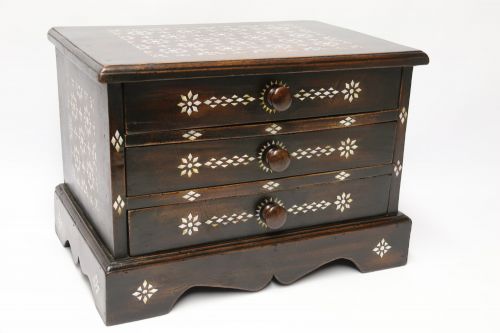
Makers utilised a wide selection of timbers including mahogany, oak, walnut, yew, burr elm, satinbirch, and pine. Decorative embellishments incorporate brass fittings, mother of pearl inlay, glass panels, bone, and marquetry work.
Construction mirrors domestic furniture of the period, employing dovetailed drawer construction, turned feet, ebonised moulding, and French polish finishes. Regional workshops applied local timbers and traditional jointing methods to achieve sturdy miniature proportions.
Some miniature chests hide secret compartments designed to safeguard tiny valuables away from casual inspection.
Distinctions in Quality and Execution
The standard of execution separates workshop demonstrations from simpler items. Superior pieces exhibit precise dovetailing, carefully selected timber grains such as burr yew or mahogany, and well-proportioned mouldings that mirror full-scale cabinet making.
The Collector Miniature Furniture Glossary
- Apprentice piece
- An item made by a craftsman to demonstrate skill for guild admission or training completion. These objects often display conventional furniture forms executed at a reduced scale.
- Bow front
- A convex curved cabinet front popular in Georgian and Regency design. This contour appears frequently on miniature chests of drawers.
- Tallboy
- A double-stack chest of drawers featuring a smaller set placed upon a larger base. Welsh examples in oak represent this form at a miniature scale.
- Marquetry
- The art of applying pieces of veneer to a structure to form decorative patterns. 17th century German table cabinets utilise this technique extensively.
- Patina
- The surface sheen and colour developed through age, handling, and waxing. Fine examples exhibit an undisturbed historical surface texture.
Collector Miniature Furniture: Frequently Asked Questions
What was miniature furniture used for?
Cabinet makers built these small pieces as travelling salesman samples to demonstrate designs to prospective clients without transporting full-scale furniture.
Others served as apprentice pieces to prove technical competence, or functioned as decorative display items within wealthy households.
Are these pieces made by apprentices?
Many items carry traditional attribution as apprentice pieces, reflecting the historical practice of junior craftsmen building scaled models to master their trade.
While some bear direct evidence of training exercises, others originated as specialised cabinet work for collectors or shop displays.
How should I display miniature furniture?
These small-scale items suit placement on tabletops, desks, or dedicated display cabinets where their proportions remain visible.
Stable environmental conditions away from direct sunlight and excessive heat protect delicate wood veneers, brass fittings, and historical finishes.