






Collectible Wristwatch
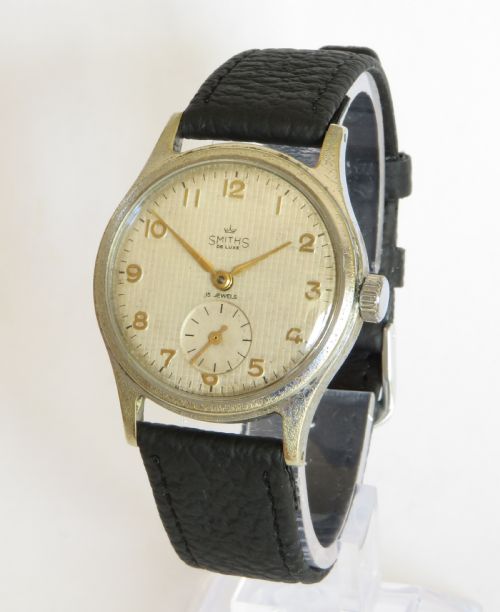
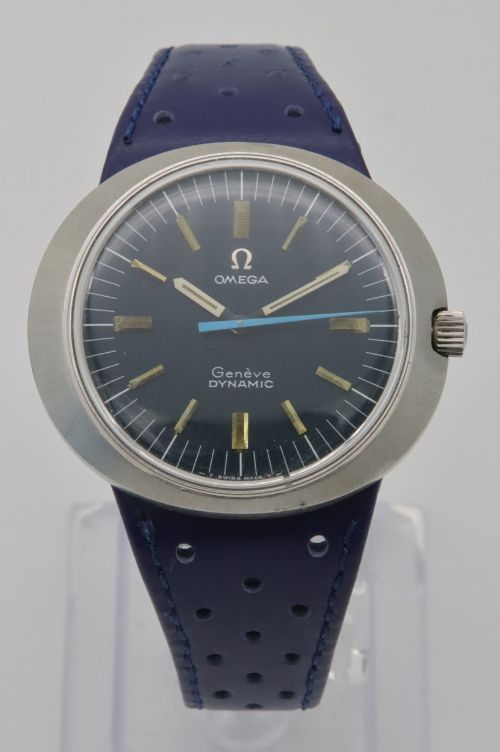
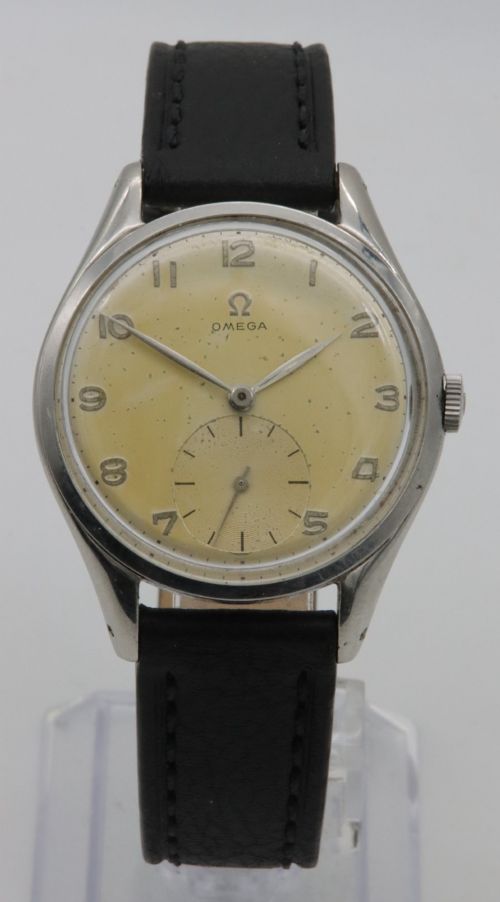
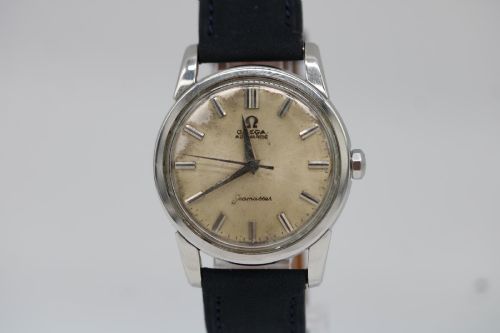
These collectible wristwatch examples span mid-century military and civilian designs, offering mechanical interest and period character that appeal directly to horological enthusiasts.
Collectible Wristwatch
A collectible wristwatch comprises timepieces originating predominantly from the 1940s, 1950s, and 1960s, encompassing both military service models and civilian dress pieces. Buyers seeking this category encounter mechanical wristwatches spanning mid-century modern styles, military issue formats, and complex chronograph layouts.
The selections available here lean heavily into mid-century horology, featuring distinct utilitarian case shapes alongside dressier automatic and manual movements. Prominent representations include standard issue military watches alongside robust civilian divers and triple date chronographs.
What varies in quality
Quality variation stems from the original grade of the movement, the complexity of complications such as triple date or chronograph functions, and the degree of component preservation. Standard military issue pieces contrast with higher-specification civilian chronographs and specialised automatic bumper mechanisms.
The integrity of dials, whether featuring untouched military markings or complex multi-register layouts, heavily influences the standing of an individual piece within the wider spectrum of mid-century horology.
Collectible Wristwatch Retail Price Guide 2026
Typical asking prices for collectible wristwatch among the pieces listed under this phrase on Sellingantiques today, from the lower quarter to the upper quarter. They describe what is for sale here now, not the wider market.
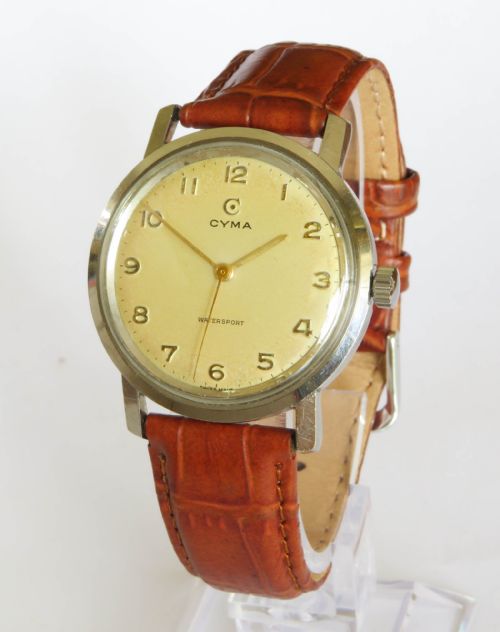
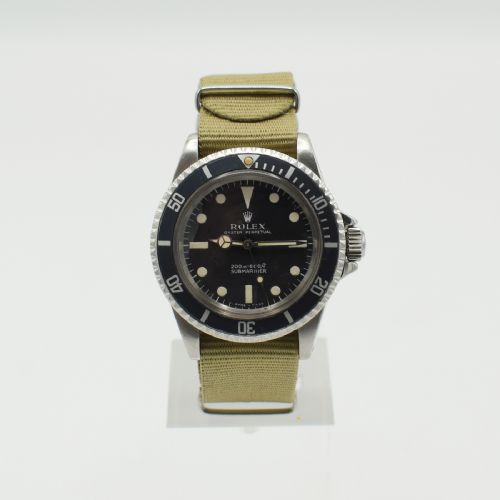
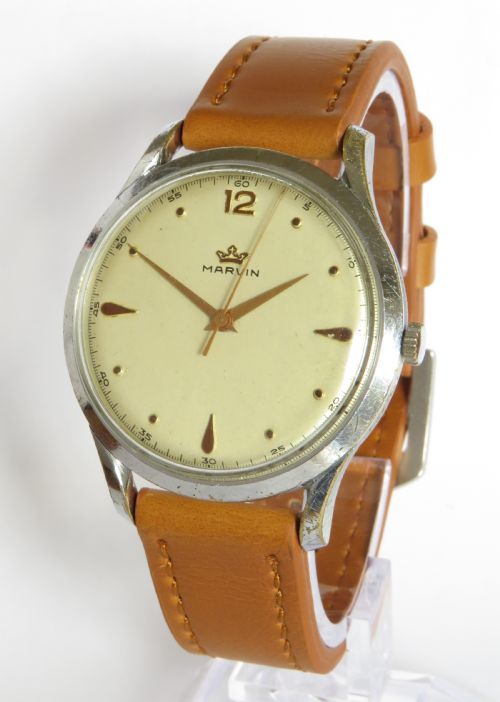
Listings span the 1940s, 1950s, and 1960s, incorporating stainless steel, gold plate, and leather materials alongside military and mid-century modern styles.
Omega·Smiths·Cyma·Rolex·Marvin·Belair·Ebel·Miramar·Benrus·Timor·Longines
The Collectible Wristwatch Glossary
- Automatic Bumper
- An early self-winding mechanical movement where the rotor swings back and forth against springs rather than rotating fully. This mechanism represents a transitional phase in mid-century watchmaking technology.
- Chronograph
- A watch equipped with a stopwatch function alongside regular timekeeping displays. These complex dials often feature subsidiary registers for measuring elapsed seconds, minutes, and hours.
- Triple Date
- A complication that displays the day of the week, the month, and the date alongside standard time. These indicators usually appear through dedicated apertures and via an additional pointer hand.
- Military Issue
- Timepieces commissioned by armed forces ministries for personnel use. These models bear specific government markings, regulation numbers, and utilitarian dials designed for absolute legibility.
Collectible Wristwatch: Frequently Asked Questions
How do I identify a military watch?
Military timepieces feature specific government issue markings, broad arrow symbols, or ministry stores codes engraved on the case back. Their dials prioritise stark legibility, often utilising contrasting numerals and railroad minute tracks.
These pieces were built to strict government contracts rather than commercial retail standards, making their utilitarian construction easy to distinguish from civilian dress models of the same decade.
What is a bumper automatic movement?
A bumper automatic uses a weighted rotor that swings through a limited arc, bouncing against internal springs to wind the mainspring. You can often feel and hear the distinct tap of the weight against the springs while wearing the watch.
This technology bridges manual wind mechanisms and the later fully rotating rotor designs common in the 1950s and 1960s.
How should I wear a vintage watch?
Vintage timepieces require careful handling, keeping them away from excessive moisture and strong magnetic fields unless modern sealing has been verified. Regular manual winding or gentle motion keeps the mechanical lubricants active.
Pairing these watches with period-appropriate leather or fabric straps preserves the historical aesthetic while ensuring secure daily wear.
What defines mid-century horology?
Mid-century horology encompasses the rapid evolution of wristwatch design and engineering between the 1940s and 1960s. This period introduced waterproof case innovations, robust automatic movements, and specialised chronograph complications.
Design aesthetics shifted from utilitarian wartime necessities to sleek mid-century modern styling and clean dial layouts.