



Collectible Timepiece
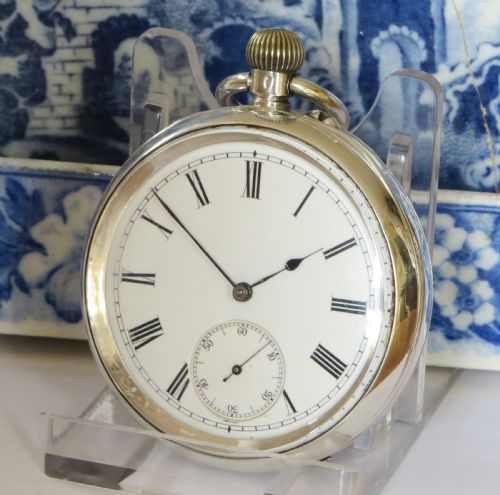
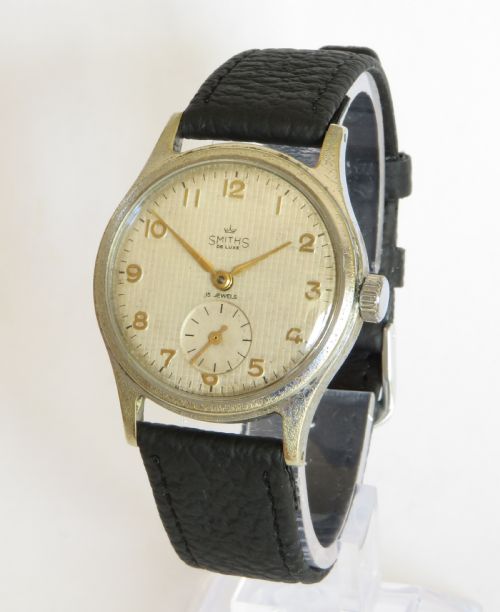
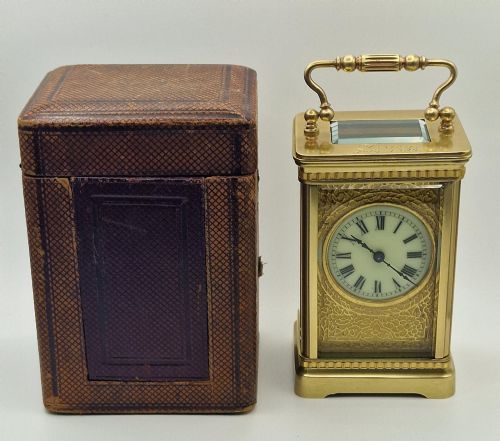
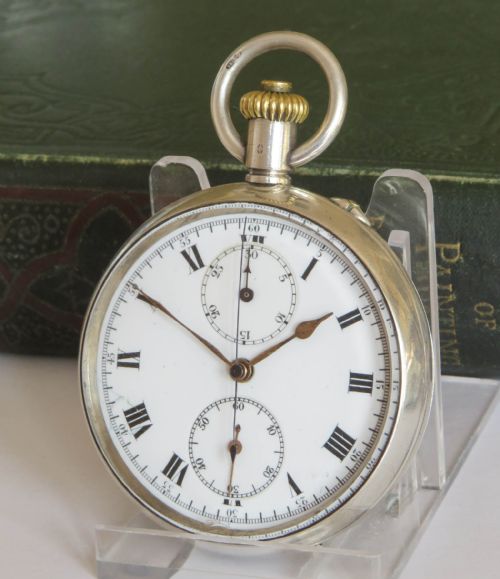
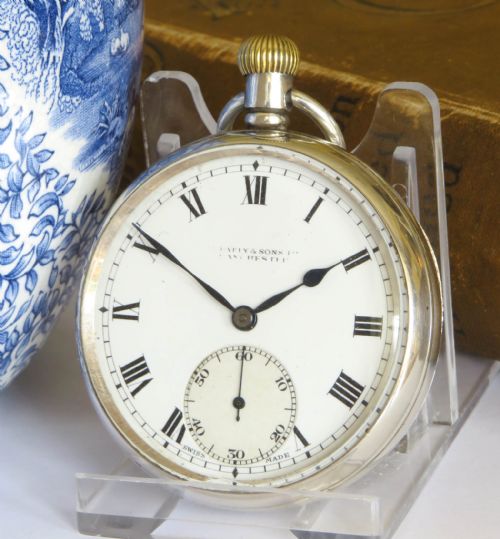
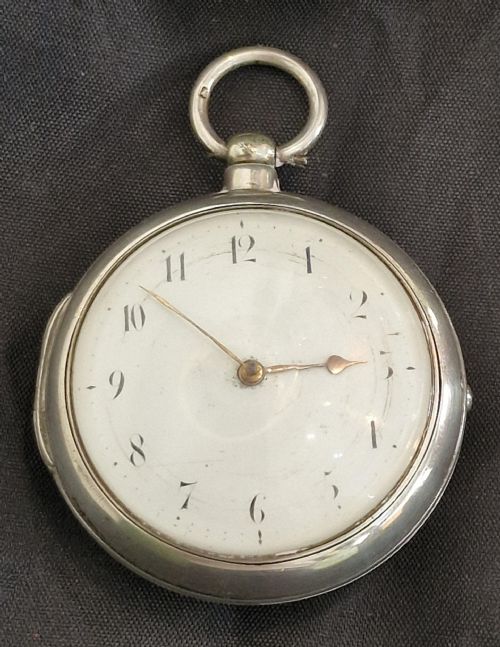
A collectible timepiece holds history in the palm of your hand, offering precision engineering housed in decorative cases from past centuries.
Collectible Timepiece
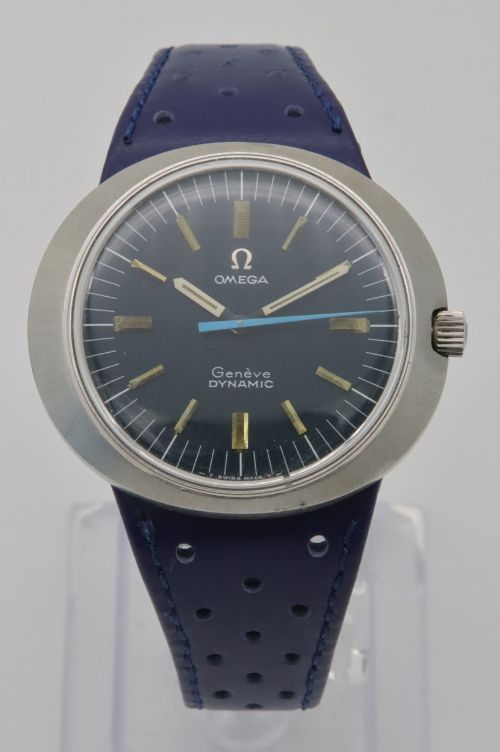
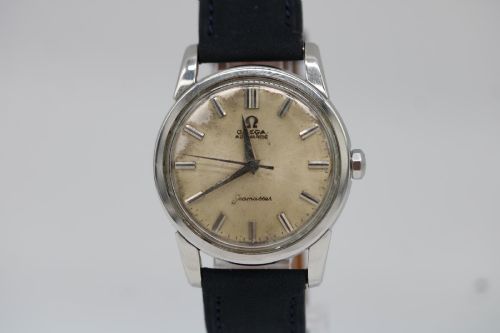
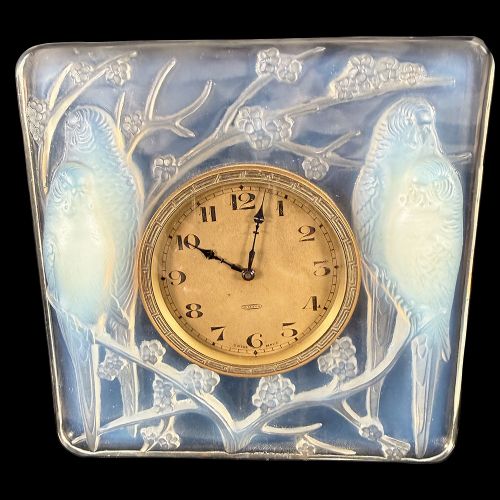
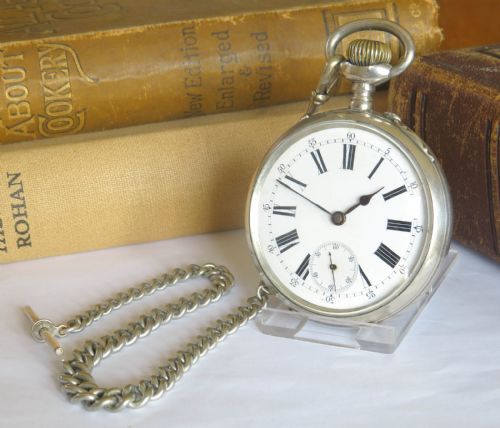
Makers represented in these horological items include renowned Swiss and British firms such as Omega, Rolex, Longines, and Mappin and Webb. Pieces often reflect distinct regional aesthetics, from French carriage clocks made for export to robust German military pocket watches and English verge escapement mechanisms. Each item bridges utilitarian function with period decorative arts, capturing the mechanical ambitions of its decade.
Materials and Construction
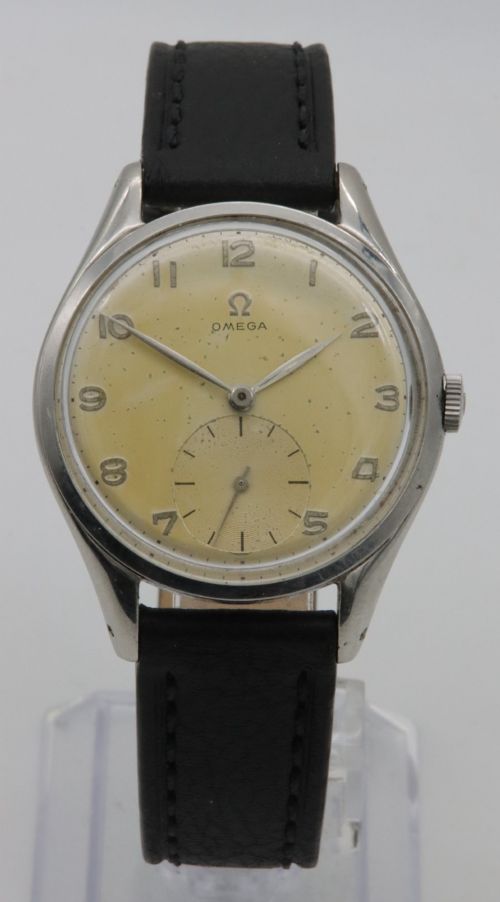
Makers constructed these items utilising durable metals including brass, stainless steel, nickel, and silver for structural cases and internal movements. Gilded brass frequently appears on carriage clocks, while wristwatches rely on steel and leather combinations for everyday wearability. Glass protects fragile dials across all categories, and opalescent moulded glass forms the body of specific decorative desk pieces.
Internal engineering combined intricate gear trains, jewelled bearings, and escapement mechanisms housed within protective metal shells. Enamel dials provided crisp legibility for pocket and wristwatch faces, whilst hand-finishing ensured mechanical precision in both portable instruments and stationary shelf clocks.
Collectible Timepiece Retail Price Guide 2026
Typical asking prices for collectible timepiece among the pieces listed under this phrase on Sellingantiques today, from the lower quarter to the upper quarter. They describe what is for sale here now, not the wider market.
Ascertaining Quality
Horological excellence rests on the sophistication of the movement, the complexity of complications such as chronographs or moonphase displays, and the integrity of the original components. Top-tier examples retain their signed dials, matching case metals, and unmodified internal gear assemblies without replacement parts.
The standard of decorative housing also elevates certain pieces, distinguishing standard utility instruments from luxury items featuring gilded bronze, bevelled glass panels, or artist-designed glass mounts. Retaining original presentation boxes or military issue markings adds historical weight to the physical object.
Omega·Rolex·Longines·Mappin and Webb·Rene Lalique·Elgin·Zenith·Ebel
The Collectible Timepiece Glossary
- Carriage clock
- A portable spring-driven clock designed for travel during the nineteenth and early twentieth centuries, usually featuring a brass case with glass panels.
- Chronograph
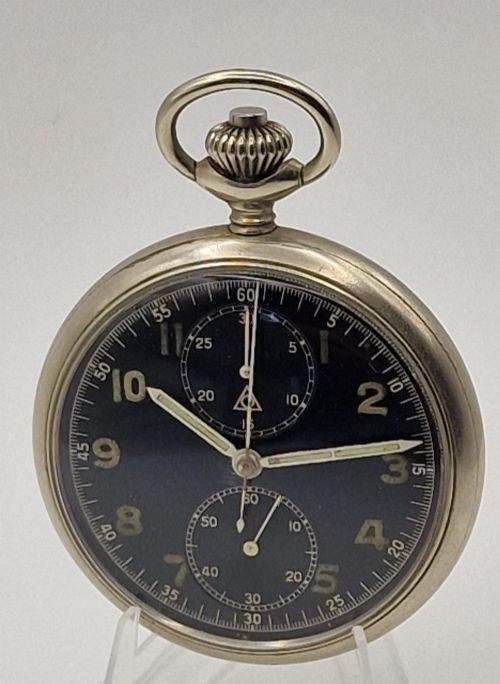
- A watch or pocket watch equipped with a stopwatch function alongside standard timekeeping hands.
- Verge escapement
- An early mechanical regulator mechanism utilising a crown wheel and pallet foliot to control the release of power in antique pocket watches.
- Hunter pocket watch
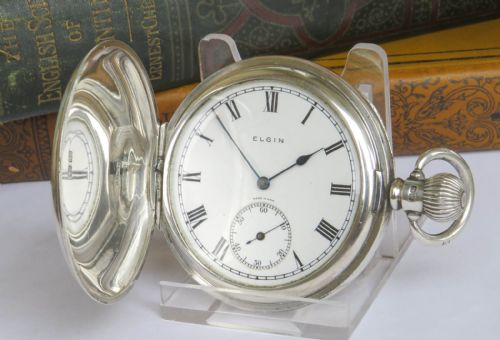
- A pocket watch featuring a spring-loaded metal cover hinged to protect the glass dial from scratches.
- Goliath pocket watch
- An oversized pocket watch, significantly larger than standard portable models, often paired with a travel case or stand.
Collectible Timepiece: Frequently Asked Questions
How do I wind a mechanical pocket watch?
Wind the crown at the top of the watch gently clockwise until you feel resistance, taking care not to force the mainspring beyond its natural limit.
Most vintage pocket watches require daily winding to maintain accurate timekeeping throughout a twenty-four-hour cycle.
Were carriage clocks actually used in carriages?
Carriage clocks were originally built as robust, portable timepieces for travellers and officers on the move during the nineteenth century.
Over time, they transitioned into stationary decorative objects displayed on mantelpieces and desks within domestic interiors.
How do I identify a military issue watch?
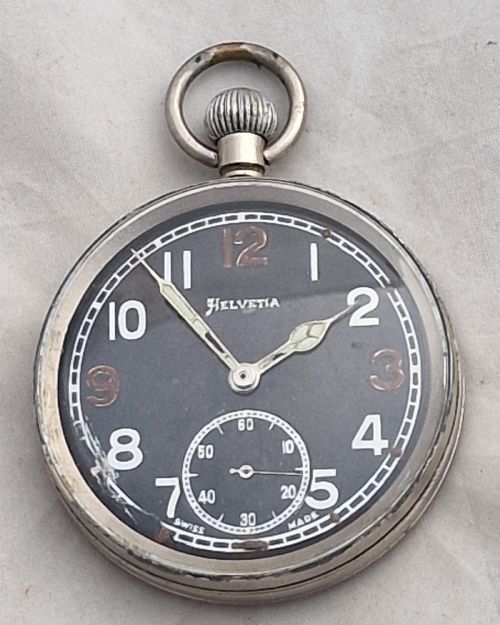
Military issue timepieces typically feature specific government or ministry markings, serial numbers, and broad arrow symbols engraved on the stainless steel case back.
These pieces were commissioned for armed forces personnel during wartime conflicts, prioritising high legibility and rugged durability.
What is the difference between a bumper movement and an automatic watch?
An early bumper automatic movement uses a oscillating weight that swings back and forth against internal springs to wind the mainspring partially.
Later automatic movements replaced this limited swing with a full rotor capable of spinning three hundred and sixty degrees.