

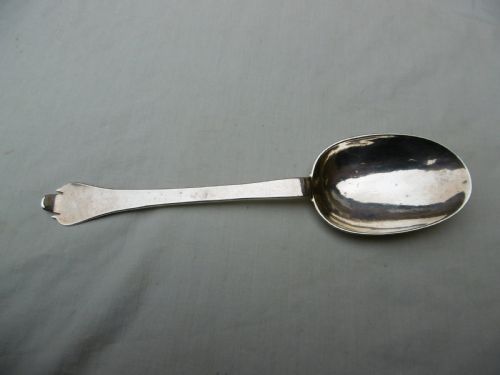


Collectible Sterling Flatware
Collectible sterling flatware consists of historic table implements in precious metal that bring centuries of dining tradition straight to the modern table.
Collectible Sterling Flatware
The objects originate across multiple periods, with strong representation from the seventeenth and eighteenth centuries alongside Victorian and Edwardian examples. Forms range from utilitarian medicine spoons to decorative commemorative issues like the Liberty coronation design by Archibald Knox.
Makers and provincial assay offices feature prominently among these items, providing tangible links to early silversmithing centres. Regional English pieces, Danish silver gilt work, and London hallmarks appear frequently across the available selections.
How they were made
Silversmiths constructed these pieces primarily from solid sterling silver, Britannia standard silver, and silver gilt, frequently applying gold wash highlights to engraved surfaces. Enamel work also appears on mid-century designs, adding colourful decorative elements to the precious metal base.
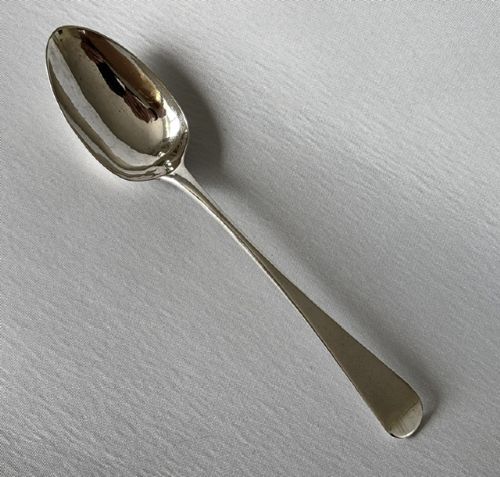
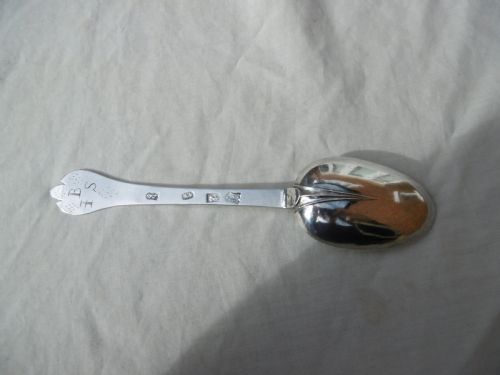
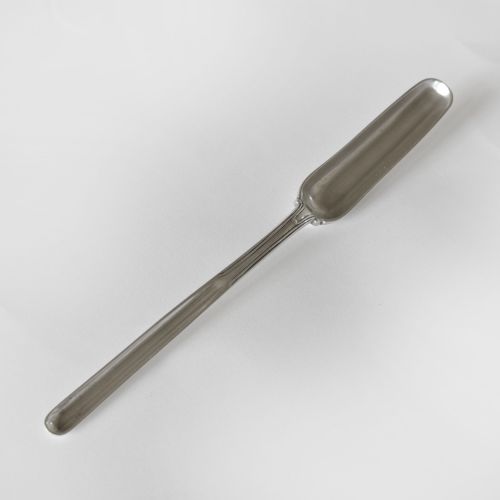
Early manufacturing relied on hand-beating and shaping metal into traditional forms like trefid, dognose, and rattail profiles. Subsequent eras introduced specialised techniques for medicine spoons, marrow scoops, and commemorative spoons, stamped and finished by hand with detailed hallmarks.
Collectible Sterling Flatware Retail Price Guide 2026
Typical asking prices for collectible sterling flatware among the pieces listed under this phrase on Sellingantiques today, from the lower quarter to the upper quarter. They describe what is for sale here now, not the wider market.
Early spoon handles doubled as makeshift toothpicks when dining etiquette was still evolving at the table.
What varies in quality
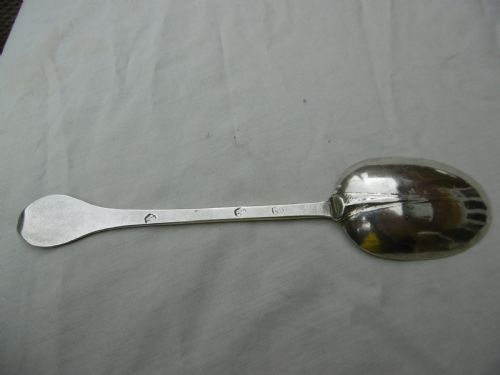
Quality rests significantly on the clarity and completeness of the maker marks and hallmarks stamped into the metal. Sharp, legible stamps from recognised makers or provincial assay offices elevate an item considerably.
The preservation of original form and surface detail defines the higher tiers of these pieces. Items retaining crisp rattails, unpolished engraving, and intact silver gilt or enamel demonstrate superior survival through the centuries.
Peter and Jonathan Bateman·William Penstone·Benjamin Prosser·Thomas Issoa·Lawrence Coles·Daniel Cary·John King·Archibald Knox
The Collectible Sterling Flatware Glossary
- Trefid
- An early form of spoon featuring a flattened, three-lobed terminal handle. This style dominated late seventeenth-century dining before evolving into later dog-nose patterns.
- Dognose
- A spoon style with a rounded, upturned terminal tip that resembles a dog's nose. It succeeded the trefid pattern in the late seventeenth and early eighteenth centuries.
- Rattail
- A prominent ridge of metal running down the back of a spoon bowl from the handle stem. This feature reinforces the joint and appears frequently on early spoons.
- Britannia Standard
- A higher purity standard of silver introduced by statute to discourage the melting of coinage. It contains more pure silver per pound weight than standard sterling.
- Marrow scoop
- A narrow, trough-like implement designed for extracting marrow from bones. These dual-ended utensils formed part of formal dining services.
Collectible Sterling Flatware: Frequently Asked Questions
What is trefid flatware?
Trefid flatware represents an early form of spoon design characterised by a distinctive three-lobed handle terminal. These pieces date predominantly to the seventeenth century.
They reflect the transition from medieval eating habits to formal dining culture and remain highly sought after by collectors.
How do I identify silver standards?
Silver standards are identified through official hallmarks stamped directly onto the metal surface by assay offices. These marks indicate the purity of the silver used.
Britannia standard and sterling silver marks help date the piece and confirm its metallic composition.
How should I clean silver?
Silver requires gentle cleaning using specialised cloths or mild polishes to preserve the surface and historic hallmarks. Aggressive scrubbing can wear away delicate engraving and hallmarks.
Proper storage in anti-tarnish environments helps maintain the finish between uses.