






Collectible Silver Flatware
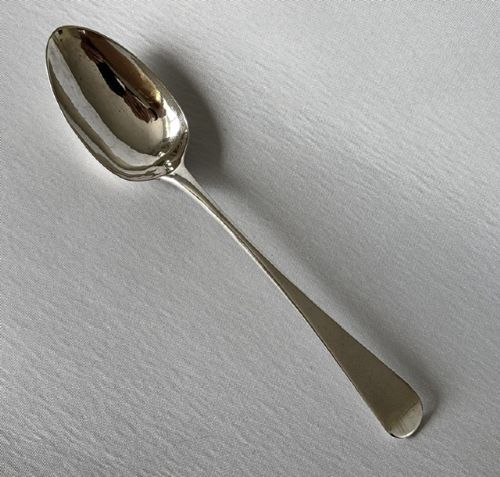
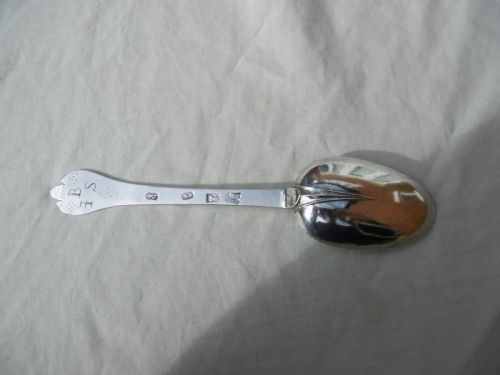
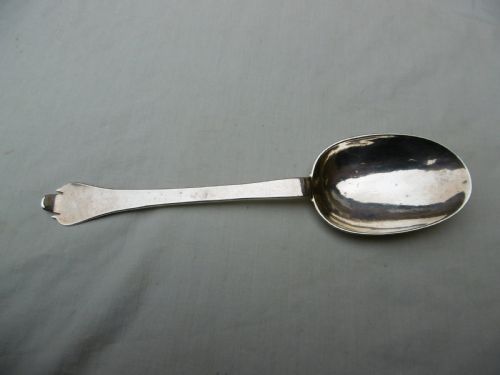
Collectible silver flatware spans heavy seventeenth-century trefid spoons and provincial tablespoons, offering tangible domestic history.
Collectible Silver Flatware
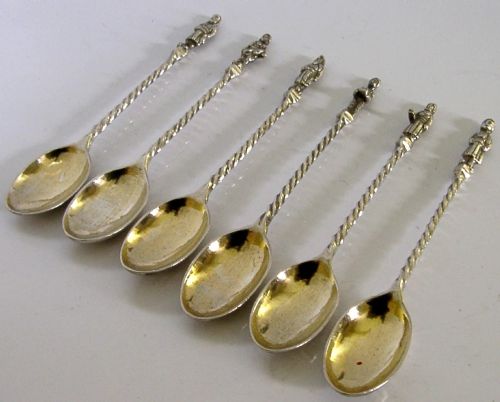
Collectible silver flatware encompasses historic cutlery, spoons, caddy spoons, and marrow scoops produced across several centuries.
Later nineteenth and twentieth-century items bring specialised forms like medicine spoons, silver gilt enamel Christmas spoons, and early Liberty coronation spoons.
Assessing Quality
Quality rests in the clarity of hallmarks, the crispness of rattails or figural details, and the survival of original surface weight.
Makers with documented provincial or metropolitan provenance command distinct attention from serious collectors of early silverware.
Collectible Silver Flatware Retail Price Guide 2026
Typical asking prices for collectible silver flatware among the pieces listed under this phrase on Sellingantiques today, from the lower quarter to the upper quarter. They describe what is for sale here now, not the wider market.
Object forms span standard tablespoons and teaspoons alongside specialist items like marrow scoops, medicine spoons, and Christmas spoons.
Peter & Jonathan Bateman·William Penstone·Isaac Davenport·Benjamin Prosser·Thomas Issoa·Lawrence Coles·Daniel Cary·John King·Archibald Knox
The Collectible Silver Flatware Glossary
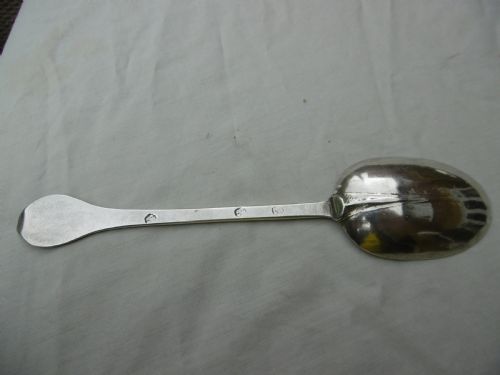
- Trefid
- A late seventeenth-century spoon style featuring a flat, three-lobed terminal handle. This form marks an early evolution in formal dining cutlery.
- Dognose
- A spoon with a rounded, notched terminal popular during the late seventeenth and early eighteenth centuries. It bridges the transition from trefid to Hanoverian patterns.
- Britannia Standard Silver
- A purer silver standard introduced in England in 1696 to deter the melting of coinage. It contains a higher proportion of fine silver than sterling.
- Rattail
- A dorsal tongue-like extension down the back of a spoon bowl for structural reinforcement. This feature appears frequently on early eighteenth-century spoons.
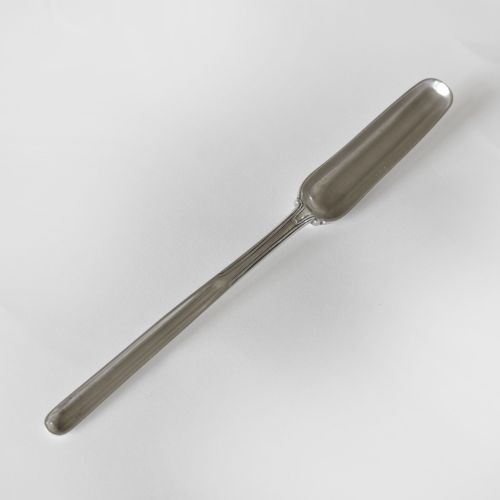
- Marrow Scoop
- A double-ended silver implement designed for extracting marrow from bones. These narrow utensils reflect specific dining habits of past centuries.
Collectible Silver Flatware: Frequently Asked Questions
What is trefid flatware?
Trefid flatware refers to eating utensils featuring a flat, three-lobed handle end characteristic of the late seventeenth century. These pieces represent some of the earliest formal spoon designs found in silver collections.
Collectors prize them for their distinct shape and the survival of early maker marks on the stem or reverse.
How do I identify Britannia silver?
Britannia silver is identified through specific hallmarks stamped on the metal, typically a figure of Britannia and the lion's head erased instead of the traditional leopard's head and walking lion.
This higher purity standard was mandatory for English silversmiths between 1697 and 1719, making pieces from this window notably distinct.
What is a dognose spoon?
A dognose spoon is an early form featuring a spatulate handle with a slight central projection resembling a dog's nose. This style evolved directly from the earlier trefid design.
They appear frequently in eighteenth-century collections alongside rattail bowls and early provincial maker marks.
How were caddy spoons used?
Caddy spoons served to measure loose tea leaves from storage caddies into teapots during the Georgian era and later periods. Their short handles and decorative bowls suited this domestic ritual.
Makers produced them in varied regional styles, ranging from plain utility forms to figural and patterned designs.