






Collectible Pin Cushion
A collectible pin cushion combines small-scale silver work with practical sewing history, offering miniature animals, shoes and novelties that sit neatly on a desk or dressing table.
Collectible Pin Cushion
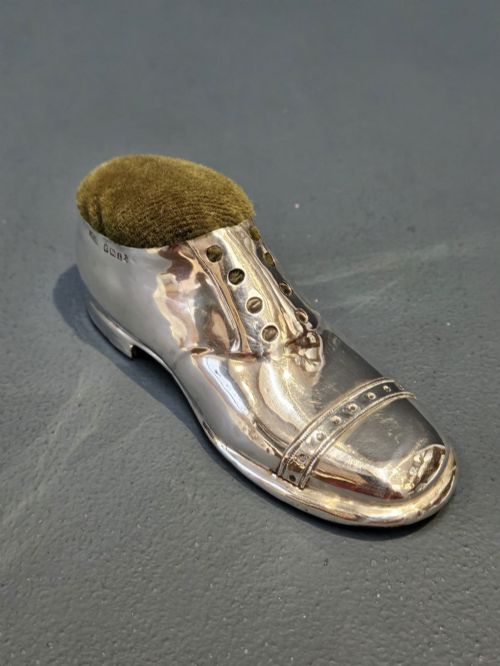
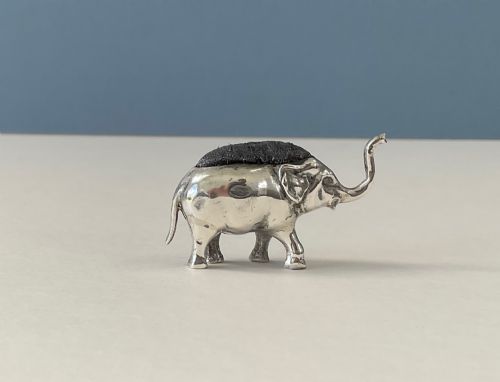
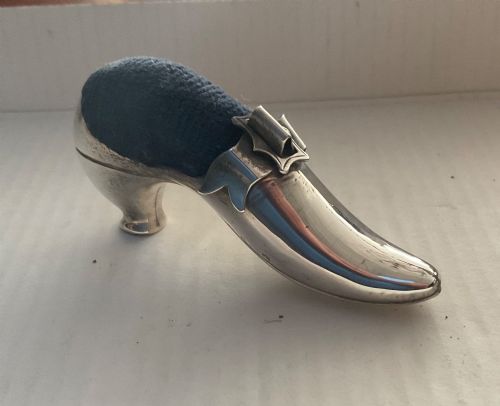
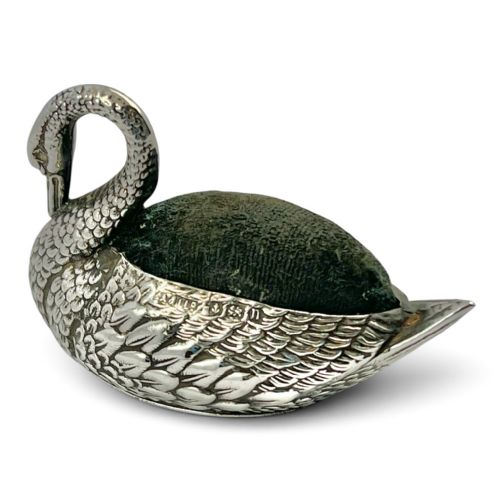
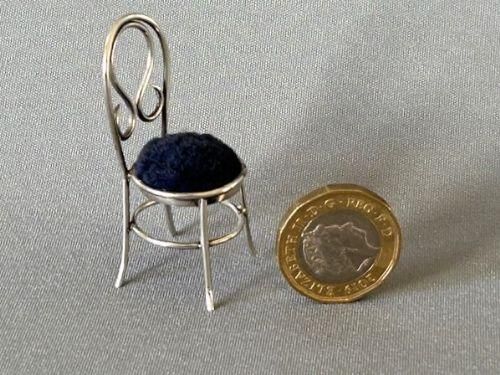
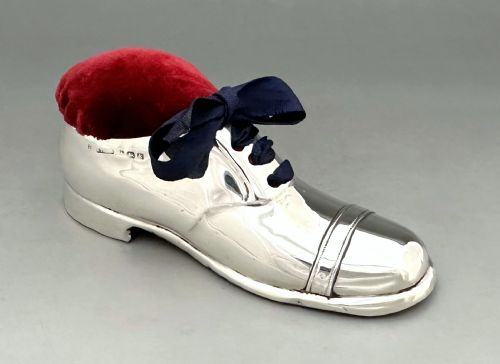
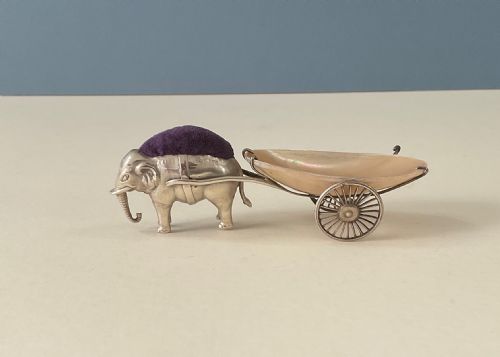
The collectible pin cushion primarily appears in silver novelty forms shaped as animals, birds, vehicles and household items, dating mainly from the Victorian, Edwardian and Georgian eras. Animals like swans, pigs, frogs and dogs dominate the selection alongside chairs, shoes, and railway lamps.
Alongside metal novelties, ceramic variations emerge through pincushion dolls, notably Art Deco figures with glazed porcelain upper bodies attached to fabric skirts. These pieces span the nineteenth and twentieth centuries, reflecting changing domestic habits and decorative tastes.
Silver and fabric construction methods
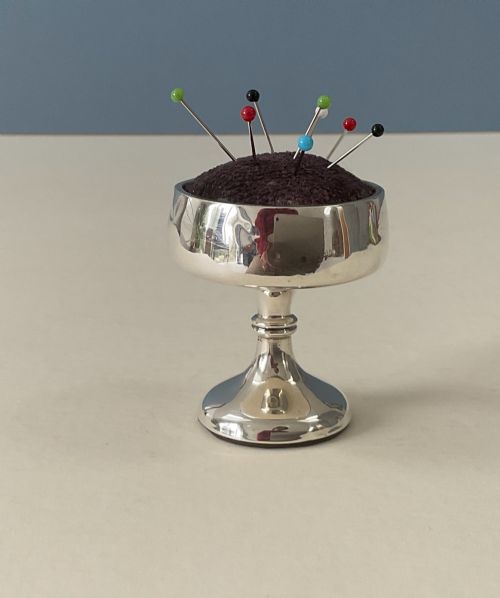
Metal pieces rely on sterling silver and solid silver worked into detailed miniature shapes, often marked by Birmingham hallmarks and specific dates from the early twentieth century. These silver housings hold internal stuffing covered in velvet, felt, or fabric to secure pins.
Porcelain items utilise glazed ceramic for the head and torso of pincushion dolls, combined with fabric lower sections designed to hold pins around the base. The contrast between rigid ceramic or silver and soft textile creates the functional sewing accessory.
Collectible Pin Cushion Retail Price Guide 2026
Typical asking prices for collectible pin cushion among the pieces listed under this phrase on Sellingantiques today, from the lower quarter to the upper quarter. They describe what is for sale here now, not the wider market.
Listings feature items in velvet, sterling silver, fabric, glass, glazed porcelain, ceramic and felt.
Quality variations in miniature metal and ceramic items
For ceramic doll forms, the clarity of the facial paintwork and the crispness of the glazed porcelain moulding determine the standard of craftsmanship. The condition and integrity of the original fabric skirt also influence the overall standard.
Adie & Lovekin·Fasold & Stauch
The Collectible Pin Cushion Glossary
- Novelty pin cushion
- A pin cushion shaped to resemble an animal, object or figure rather than taking a standard pad form. These miniature items were popular decorative desk accessories in the Victorian and Edwardian periods.
- Pincushion doll
- A half-figure, typically made of glazed porcelain or ceramic, representing a woman or character whose fabric skirts functioned as the cushion. They date prominently to the Art Deco era.
- Hallmark
- A series of stamped marks on silver objects indicating the standard of purity, the assay office, and the date letter. Birmingham is a frequent assay origin for these silver pieces.
- Sterling silver
- An alloy of silver containing ninety-two point five percent silver by mass, used extensively for the novelty animal and object cushions in this collection.
Collectible Pin Cushion: Frequently Asked Questions
What periods do these pin cushions come from?
The pieces span from the Georgian and Regency eras through the Victorian period and into the Edwardian years, with some extending into the 1930s Art Deco phase.
Edwardian novelty silver items form a particularly large proportion of the available selection.
What animals are commonly found as silver pin cushions?
Swans, pigs, frogs, ducks, and dogs appear frequently across the silver novelties, alongside less common creatures like stags, kangaroos, foxes and goldfish.
These animal shapes were especially favoured by Edwardian silversmiths.
How were pincushion dolls used?
Pincushion dolls served as decorative sewing accessories where pins could be stuck into the fabric lower section while the porcelain upper half remained visible on a dressing table.
They often took the form of flapper figures during the Art Deco period.
What materials make up these cushions?
The primary materials are sterling silver and solid silver for the novelties, paired with velvet, felt, or fabric inserts.
Ceramic pieces utilise glazed porcelain alongside fabric skirts.