

Collectible Miniatures
Collectible miniatures bring together small-scale silver, carved wood and fine metalwork spanning periods from the eighteenth century to the mid-twentieth century.
Collectible Miniatures
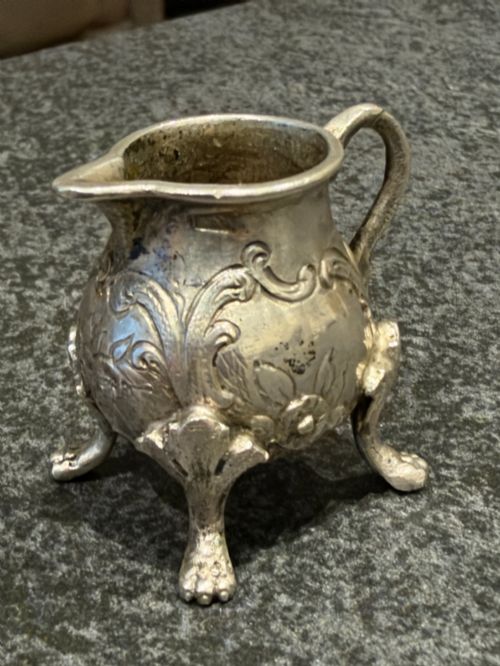
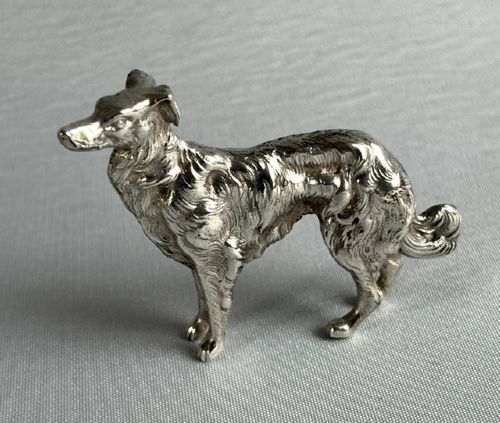
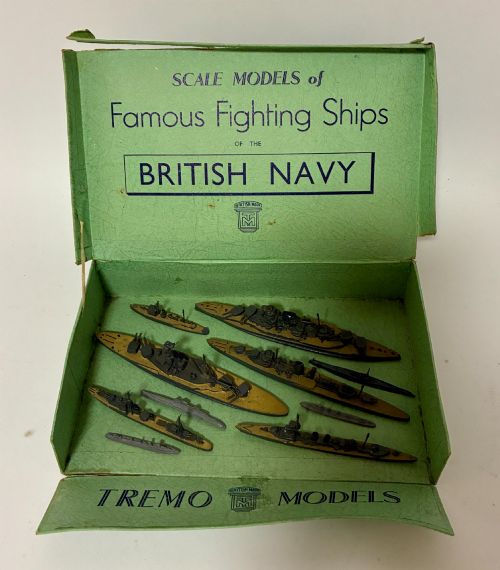
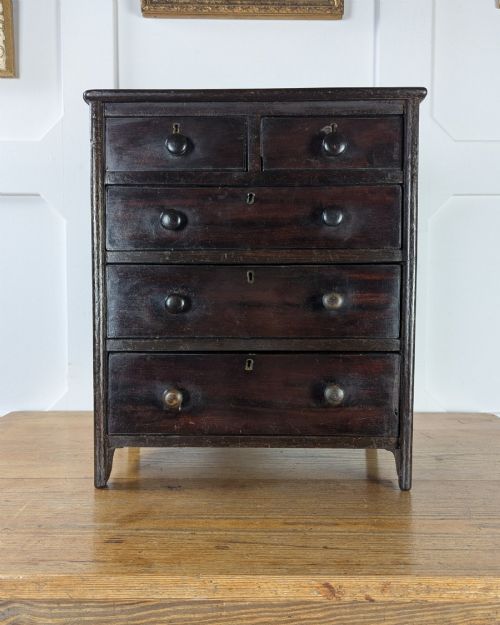
When searching for collectible miniatures, buyers encounter a wide assortment of small-scale items including silver pin cushions, scale models, apprentice chests, and hand-painted sculptures. These objects originate from various eras ranging from the Georgian and Regency periods through the Victorian and Edwardian decades up to the 1930s.
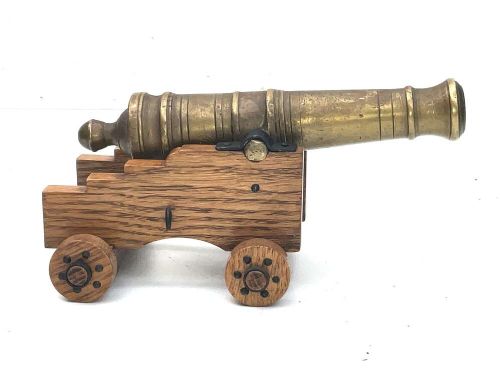
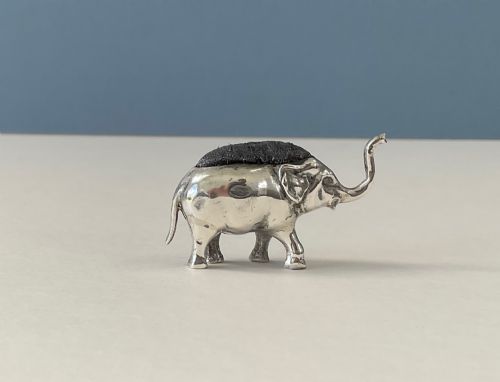
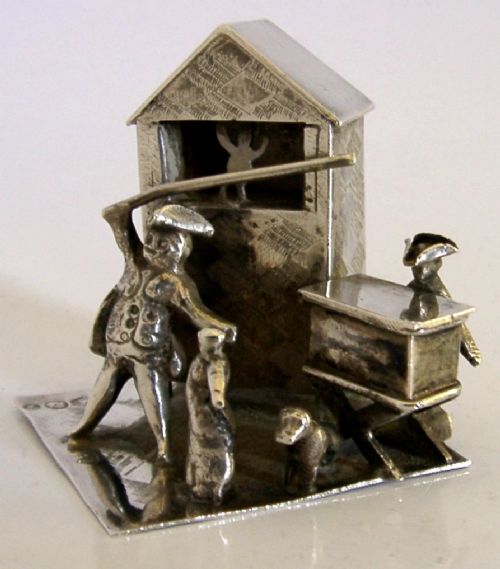
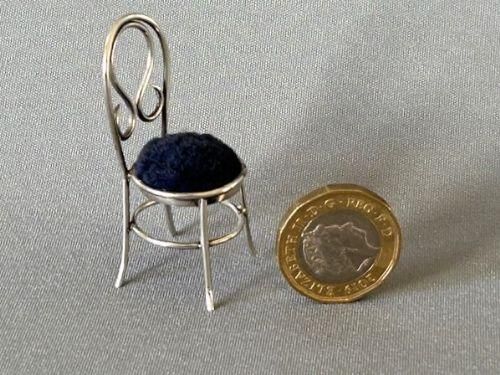
The assortment relies heavily on novelty silver items, particularly pin cushions shaped as animals, furniture, and objects, alongside wooden scale models of ships, vehicles, and farm carts. Pieces span multiple material categories, capturing domestic interests, maritime history, and personal decoration in compact formats.
Materials and construction
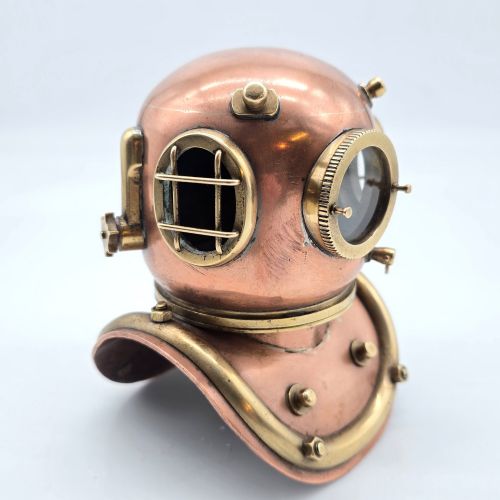
Makers utilised solid silver, brass, and bronze cast through traditional methods, frequently combining metals with velvet pads or glass elements. Wood pieces display hand-carved details, joinery in miniature chests, and intricate assembly in scale models and bottled ships.
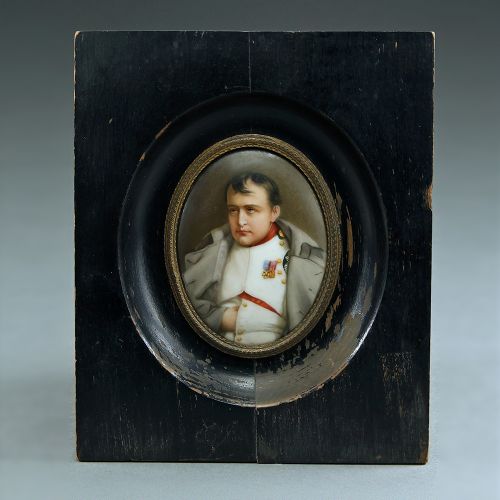
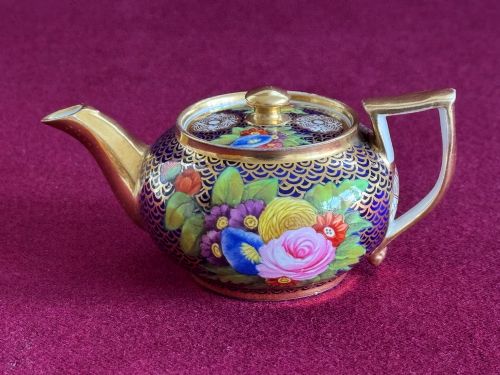
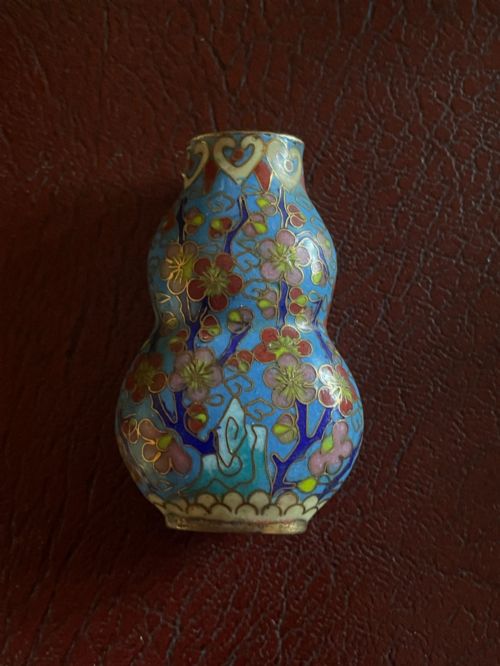
Surface decoration involves hand painting, cold painting on bronze, enamel work, and cloisonné techniques. Artisans achieved precise proportions using specialised tools for engraving silver, carving cherry amber, and fashioning porcelain toy pieces.
Collectible Miniatures Retail Price Guide 2026
Typical asking prices for collectible miniatures among the pieces listed under this phrase on Sellingantiques today, from the lower quarter to the upper quarter. They describe what is for sale here now, not the wider market.
Listings feature items spanning the 1800s, Victorian, Edwardian, and 1930s periods, executed in silver, brass, wood, and bronze.
Factors that define quality
Quality rests in the precision of the miniature scale, the crispness of casting or carving detail, and the preservation of original surfaces such as cold paint or patination. Items retaining makers' marks, stamps, or signatures demonstrate higher workshop standards.
Daum Frères·Edith Parsons·Daisy Makeig-Jones Wedgwood
The Collectible Miniatures Glossary
- Apprentice piece
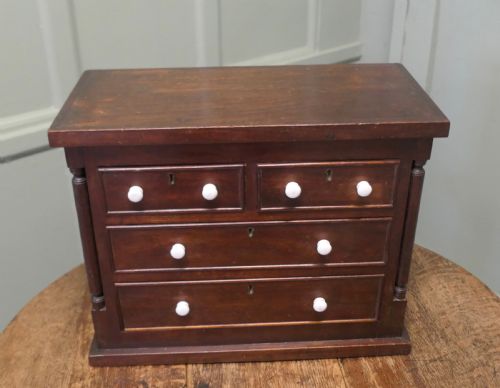
- A small item demonstrating the high skill level required for a craftsman to complete their training. These often include miniature chests of drawers or cabinets.
- Cold painted bronze
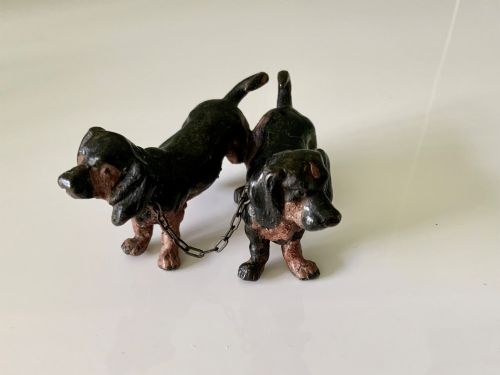
- A method where bronze sculptures are painted with oil-based paints without firing in a kiln. This technique was popular for Viennese animal figures.
- Pin cushion
- A sewing accessory adapted into novelty forms during the Victorian and Edwardian eras. These feature silver frames enclosing velvet inserts.
- Scale model
- A physical representation of an object maintaining exact relative proportions. Examples include ships, steam traction engines, and horse-drawn cabs.
- Cloisonne
- An ancient technique for decorating metalwork objects with coloured glass paste separated by strips of metal. It appears on miniature vases.
Collectible Miniatures: Frequently Asked Questions
What are collectible miniatures?
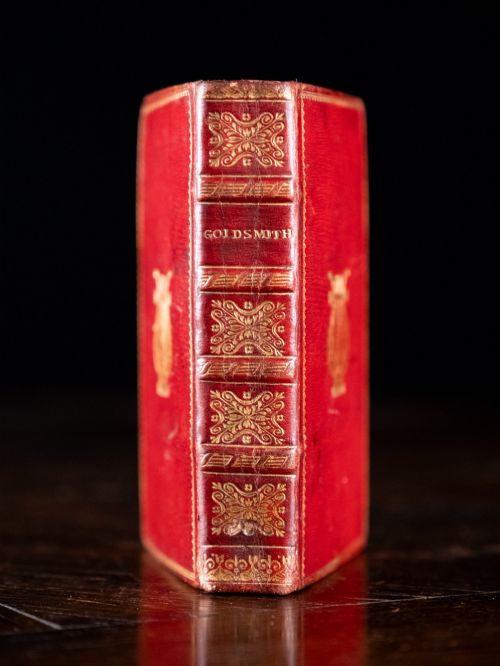
Collectible miniatures comprise small-scale decorative and functional objects created across multiple centuries. They include silver novelty pin cushions, bronze sculptures, wooden scale models, and miniature books.
Craftsmen produced these items to display technical skill, serve practical miniature functions, or provide portable ornamental art for collectors.
How were apprentice pieces used?
Apprentice pieces served as test projects for woodworkers and cabinetmakers proving their mastery to a guild. They took the form of fully functioning miniature chests of drawers.
Masters evaluated the joinery, drawer construction, and overall proportions before granting full artisan status to the maker.
How do I identify Edwardian silver pin cushions?
Edwardian silver pin cushions often take whimsical novelty shapes such as animals, chairs, boots, and boats. They incorporate sterling silver frames paired with fitted velvet inserts.
Examination of the silver hallmarks helps date the piece to the early twentieth century alongside stylistic clues typical of the Edwardian period.
How should I display miniature bronze sculptures?
Miniature bronzes require stable placement away from direct heat sources to protect patinated surfaces and cold-painted finishes. Proper lighting highlights the fine casting details without causing fading.
Grouping pieces by period or subject, such as dogs or maritime items, creates a cohesive display on shelves or within enclosed cabinets.