



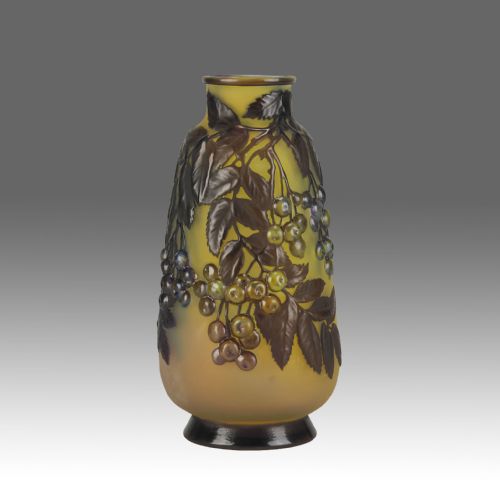


Collectible French Glass
Collectible french glass brings together decorative vessels and objects created during the height of continental studio and industrial design.
Collectible French Glass
Collectible french glass spans utilitarian and decorative objects, ranging from scent bottles and paperweights to large vases and clocks. These items primarily date from the late nineteenth century through the interwar period, capturing the distinct shifts from organic naturalism to geometric abstraction.
Vases, perfume bottles, and decorative plates form the core of what is available. Pieces often emerge from notable workshops operating during the Art Nouveau and Art Deco movements, displaying characteristic forms of the periods.
Methods and materials in production
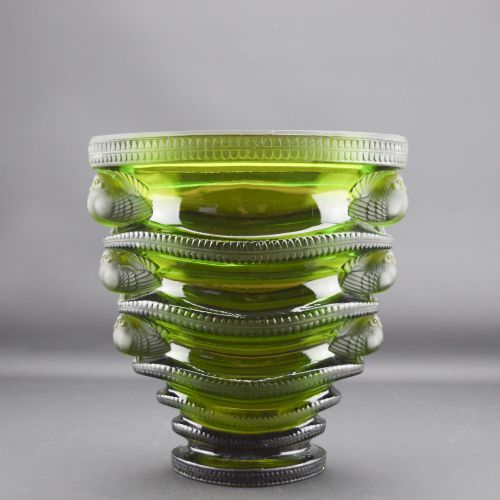
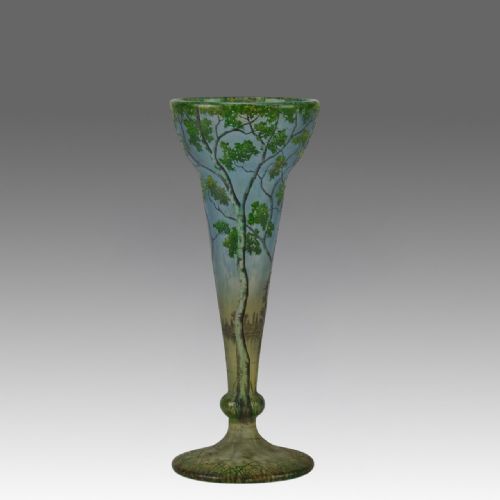
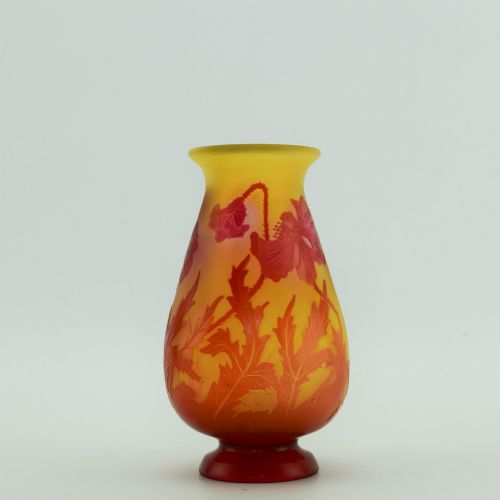
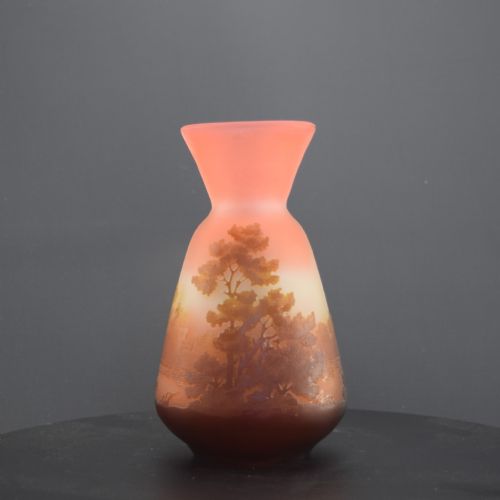
Makers utilised moulded, frosted, and opalescent glass to achieve tactile surface effects and play with light. Acid-etched techniques and cameo glass layers allowed workshops to carve complex botanical or landscape motifs directly into the material.
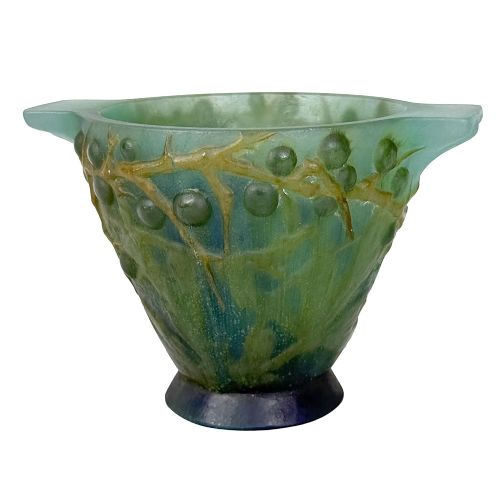
Pate de verre, or glass paste, involved packing crushed glass into moulds and firing it to create dense, richly coloured objects. Enamel and staining were frequently applied to highlight specific details on vases and perfume bottles.
The listings span from nineteenth-century Victorian production through the Edwardian era, culminating in the prominent Art Nouveau and Art Deco periods.
Distinctions in standard and execution
Quality rests upon the crispness of the moulding and the depth of the carving or acid-etching. Finer pieces demonstrate precise control over opalescence and colour saturation, ensuring the design reads clearly against the light.
The sophistication of the design and the harmony between the glass technique and the chosen motif separate standard output from masterworks. Successful execution relies on the maker's ability to manipulate opacity and texture without losing structural definition.
Rene Lalique·Daum Freres·Galle·Amalric Walter
The Collectible French Glass Glossary
- Cameo glass
- A vessel formed of multiple fused layers of coloured glass carved away to create a raised design. This technique requires considerable skill to expose the contrasting background without piercing the upper stratum.
- Opalescent glass
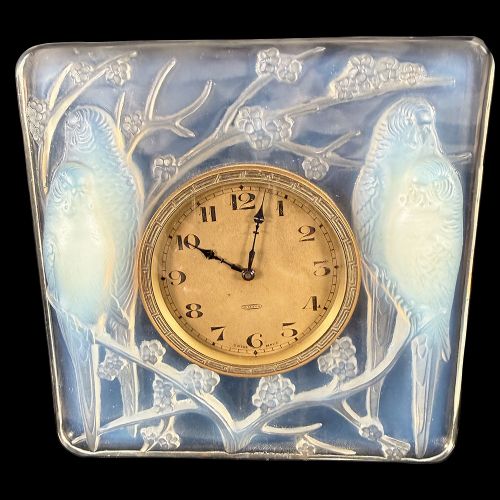
- A milky, translucent glass that appears blue when lit from the front and amber or warm orange against the light. It was widely utilised during the Art Deco period to accentuate moulded relief details.
- Pate de verre
- A kiln-casting method where finely crushed glass is mixed with a binding agent and fired inside a mould. The resulting objects possess a characteristic granular texture and dense colour.
- Acid-etched glass
- A method where hydrofluoric acid eats away unprotected areas of the glass surface to create frosted textures or low-relief designs. It allowed workshops to replicate the visual depth of carved cameo work efficiently.
- Car mascot
- A sculptural glass ornament mounted on the radiator caps of luxury automobiles during the early twentieth century. These heavy moulded pieces were often illuminated from underneath.
Collectible French Glass: Frequently Asked Questions
How do I identify Art Nouveau french glass?
Art Nouveau pieces typically feature organic motifs such as flowers, vines, and landscapes rendered in cameo glass or enamelled surfaces. The overall shapes follow natural curves rather than strict symmetry.
Makers from this period often employed complex acid-etching techniques to create soft, atmospheric transitions between colours.
What defines Art Deco glass design?
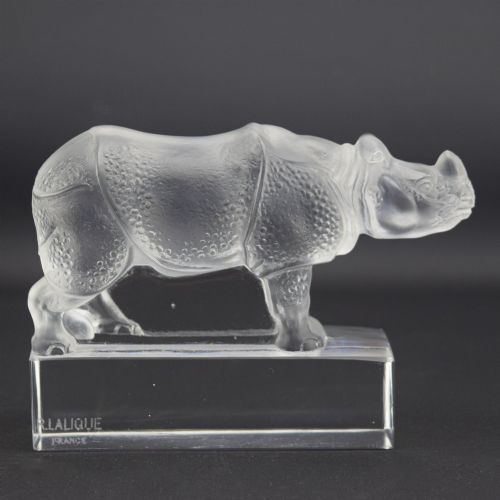
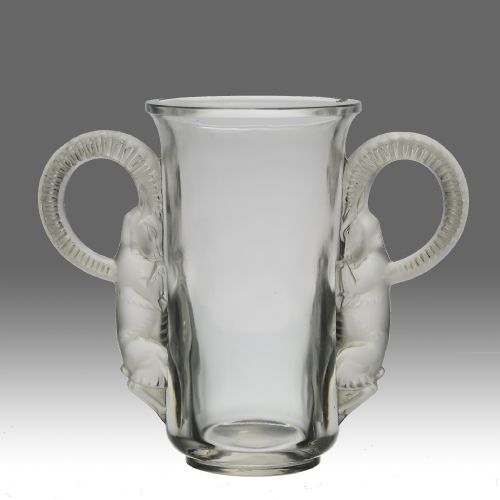
Art Deco glass relies on stylised geometry, symmetry, and heavy moulded relief work. Opalescent and frosted finishes are common, often catching light on stylised animal or floral patterns.
These objects were produced in larger numbers through industrial moulding processes compared to earlier handcrafted cameo vessels.
How should I display opalescent glass?
Opalescent glass requires thoughtful placement near natural or artificial light sources to reveal its dual colour properties. Placing pieces where light can pass through them highlights the milky blue and amber tones.
Keep them away from direct edge impacts, as heavy moulded glass remains susceptible to chips along the rims and bases.
Are perfume bottles functional?
Many vintage perfume bottles retain their original stoppers and can contain liquid, though collectors generally treat them as display objects. Stoppers often fit snugly due to ground glass joints formed during production.
Care should be taken when handling stoppered bottles to avoid damaging delicate glass extensions or moulded figural tops.