




Collectible Folk Art
These pieces of collectible folk art span carved wood, horn and painted decoy forms made by hands removed from academic tradition.
Collectible Folk Art
When you search for collectible folk art, you encounter utilitarian objects, carved sculptures and maritime models produced largely across the nineteenth and early twentieth centuries. These pieces emerge from domestic, rural and nautical settings rather than formal guild workshops.
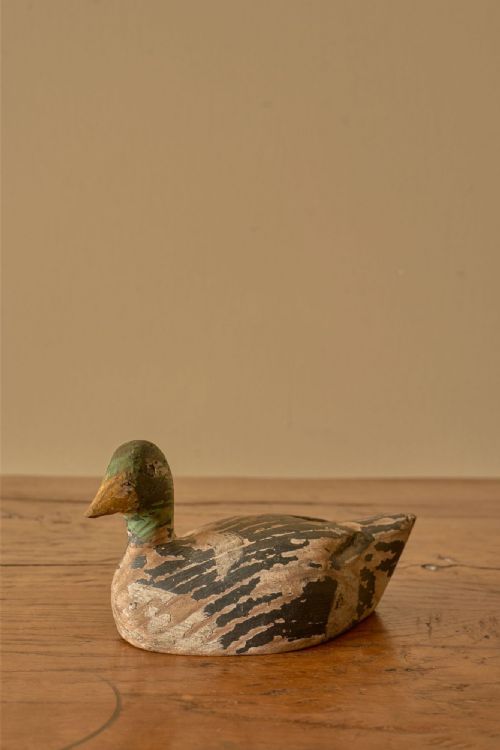
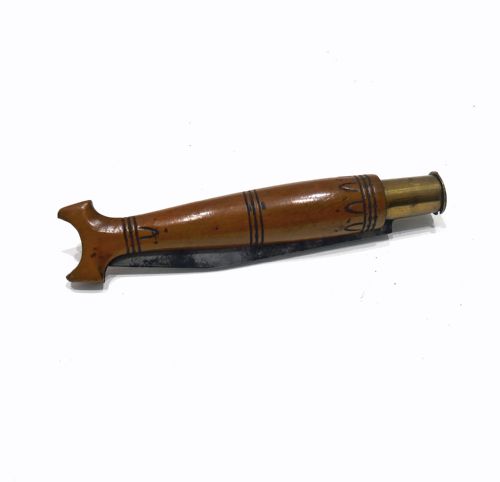
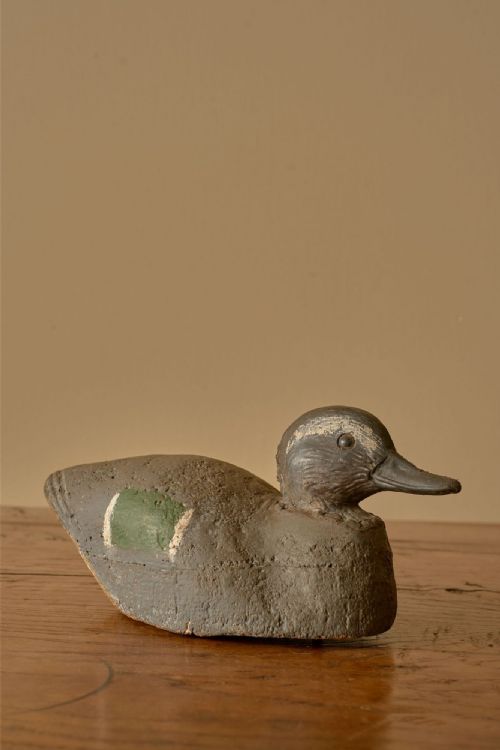
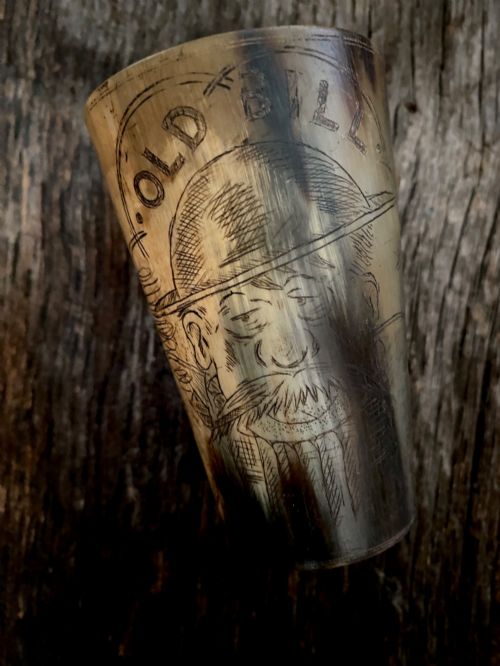
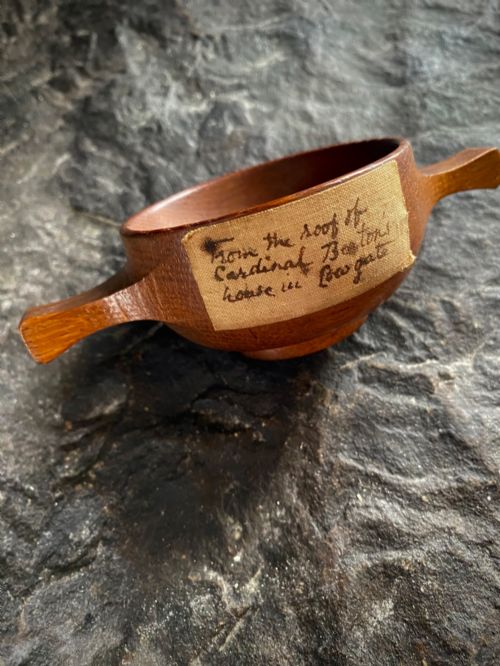
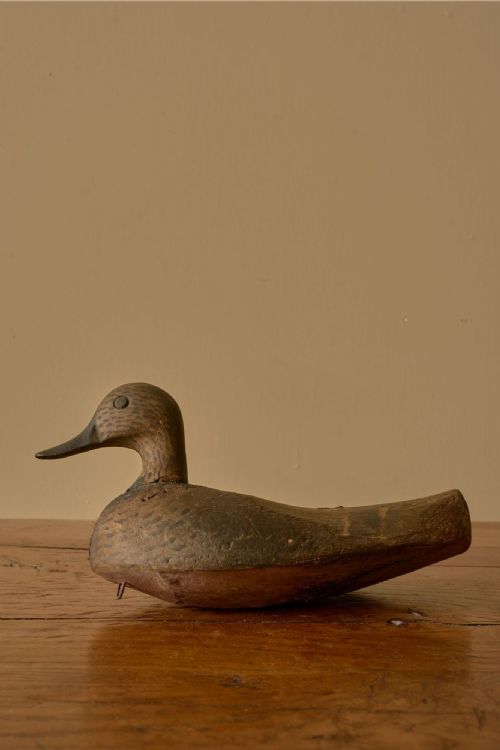
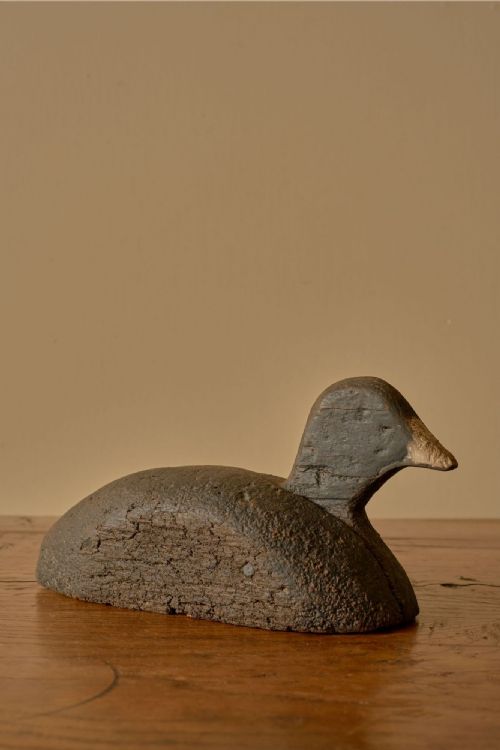
The objects most frequently met on this page include carved wooden snuff boxes, painted wooden decoy ducks, treen items and scale models of ships or farm carts. Many carry the marks of individual maker ingenuity, such as prisoner of war straw work or trench art horn beakers.
Origins stretch from English and Scottish regional traditions to French and American examples. The forms remain resolutely functional in origin, shifting from domestic kitchenware and working decoys into display items.
Materials and construction
Makers utilised available local materials, relying heavily on timber such as fruitwood, sycamore, hardwood and general timber alongside paint, glass, metal and bone. Fruitwood and sycamore lent themselves particularly well to the tight detail required for nutcrackers, butter prints and snuff boxes.
Techniques combine simple hand tools with direct carving, pen work, straw inlay and scratch building. Decoys and carousel figures received layered coats of paint to withstand weather or stage use, while horn and tortoiseshell substitutes like coquilla nut were shaped through boiling, scraping and carving.
Collectible Folk Art Retail Price Guide 2026
Typical asking prices for collectible folk art among the pieces listed under this phrase on Sellingantiques today, from the lower quarter to the upper quarter. They describe what is for sale here now, not the wider market.
Listings feature items from the Georgian, Victorian, Edwardian and early twentieth century periods, constructed in wood, paint, glass, metal and horn.
Judging quality in folk pieces
Quality rests upon the confidence of the carving and the preservation of original surface finishes rather than adherence to academic proportions. A vigorously carved shape with untouched patination and original paint holds greater visual weight than a stiffly executed piece.
Materials also dictate the tier of an object, moving from utilitarian pine or everyday metalware up to finely turned coquilla nut, staghorn or detailed bone work. The integrity of the original assembly - whether in a bottle diorama, a mechanical toy or a scratch-built locomotive - separates casual output from masterwork.
G Cobb·Limonaire
The Collectible Folk Art Glossary
- Treen
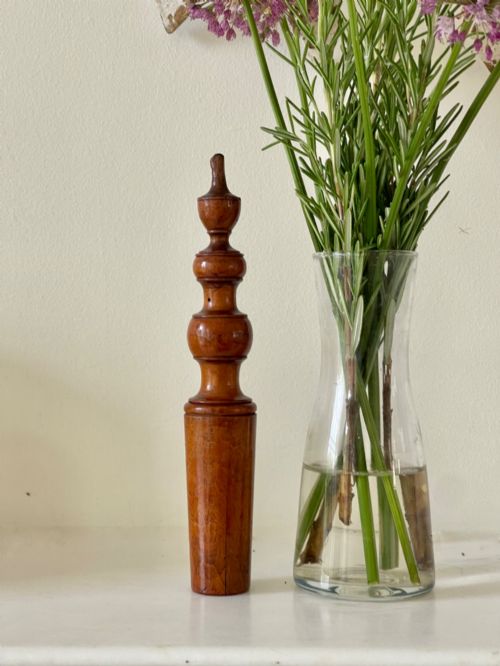
- Small handmade wooden objects for domestic or personal use. This includes items such as butter prints, lace folders and knitting sheaths.
- Diorama
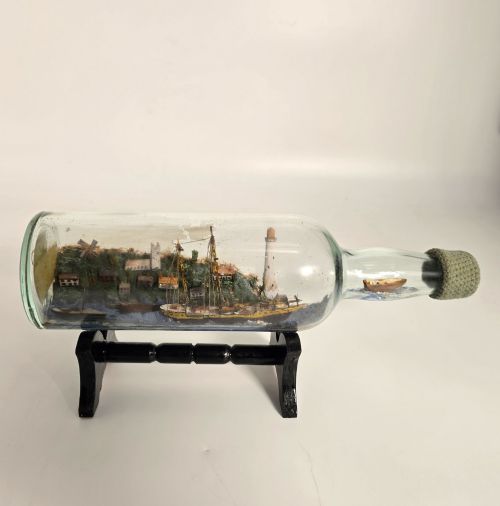
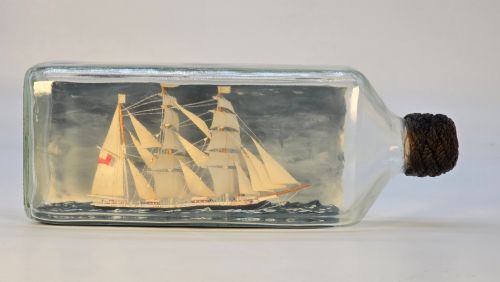
- A three-dimensional scene enclosed within a case or bottle. Maritime examples typically feature model sailing ships mounted on wooden plinths.
- Snuff Box
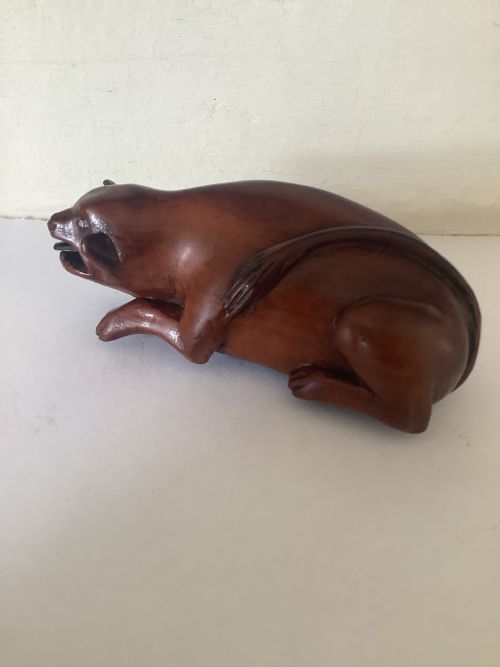
- A small container designed to hold powdered tobacco. Examples often take carved forms such as animals, feet in shoes or human heads.
- Decoy
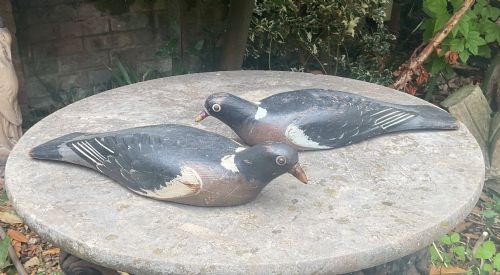
- A carved and painted bird utilised to attract wildfowl. Traditional versions include ducks, pigeons and loons.
- Trench Art
- Objects fashioned by service personnel from war debris and military materials. Horn beakers from World War One represent this category.
Collectible Folk Art: Frequently Asked Questions
What is a knitting sheath?
A knitting sheath is a small wooden or carved tool tucked into a belt or apron to support one needle while working. They were produced regionally, notably in Durham.
Collectors prize them for their sculptural variety and direct link to domestic textile production.
How were ship models built inside bottles?
Makers constructed the masts and rigging of the sailing ships with hinges or folding strings so the entire vessel could pass through the narrow neck of the bottle. Once inside, pull-strings raised the masts into place.
These dioramas often include detailed wooden plinths and painted backdrops representing the sea.
What are butter prints used for?
Butter prints stamp raised patterns into blocks of freshly churned butter before sale or domestic consumption. Motifs such as wheat ears and acorns were carved into the sycamore wood face.
They allowed dairy producers to brand their output with distinct household designs.
What distinguishes treen from general woodcarving?
Treen specifically denotes small, functional wooden objects made for the home or personal adornment. The category spans items from lace folders and rattle toys to corkscrews and spoons.
Unlike decorative sculptures, every treen piece served a daily practical purpose.