





Collectible Flatware
Collectible flatware encompasses historic spoons, forks, and serving pieces in silver, pewter, and silver plate spanning multiple centuries.
Collectible Flatware
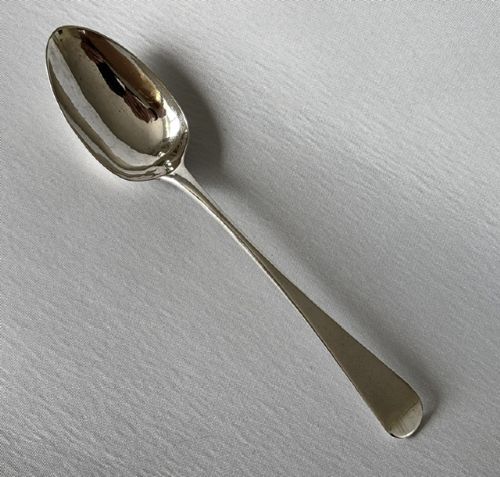
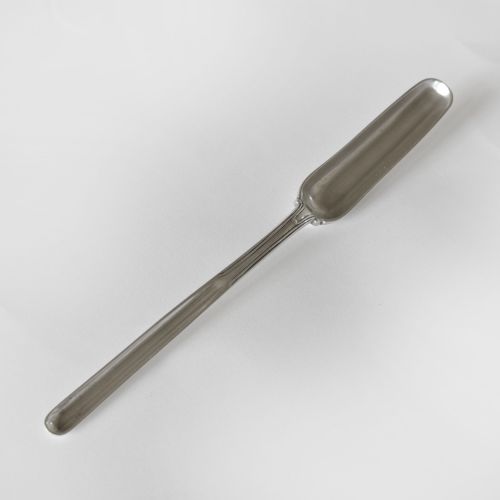
Collectible flatware consists of functional eating and serving implements shaped by changing domestic habits from the seventeenth century through the twentieth century. These objects include tablespoons, caddy spoons, marrow scoops, medicine spoons, and forks created for daily dining or ceremonial use.
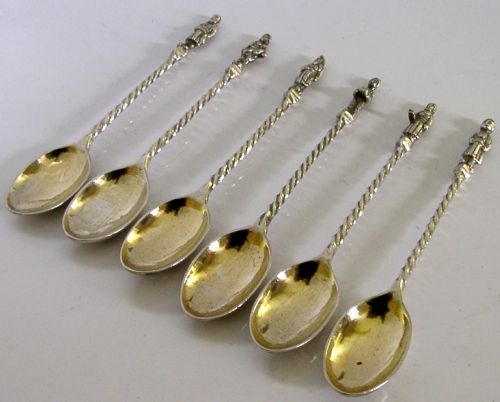
The pieces appearing on this page span diverse periods ranging from the seventeenth century and Georgian eras to the Victorian period and the twentieth century. Buyers encounter domestic English provincial items alongside pieces originating from Ottoman Turkey and Denmark.
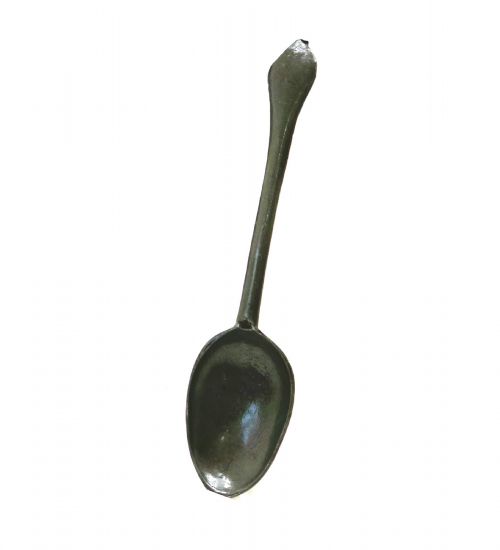
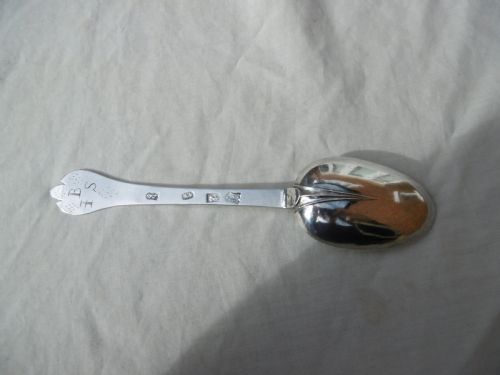
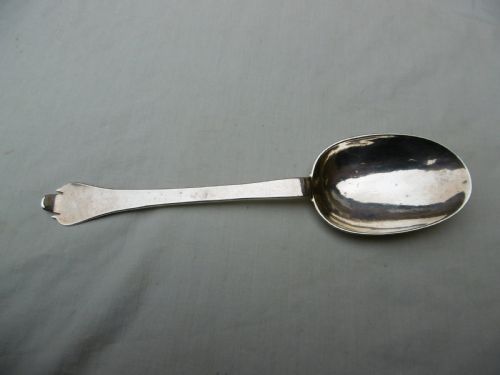
Forms vary from early trefid and dognose spoons to later palm pattern services and commemorative coronation issues. Each surviving item demonstrates the distinct functional requirements and dining customs of its specific era.
Assessing quality and survival
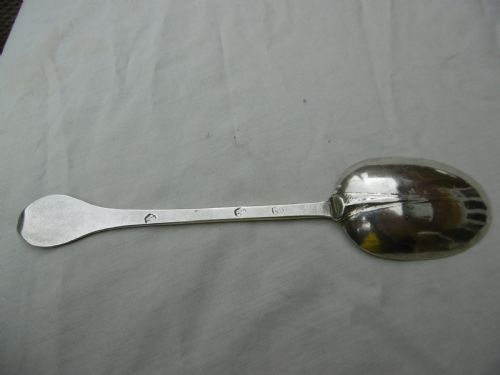
Quality in these objects depends upon the clarity of hallmarks, the legibility of maker stamps, and the preservation of original form against wear. Pieces retaining crisp rattails, sharp engraving, and unpolished surfaces demonstrate superior historical integrity.
The distinction between standard domestic items and exceptional survivals rests on provincial rarity, early dates, and documented maker attributions. Maker participation, such as work associated with known silversmiths or designers, elevates the standing of an individual piece.
Collectible Flatware Retail Price Guide 2026
Typical asking prices for collectible flatware among the pieces listed under this phrase on Sellingantiques today, from the lower quarter to the upper quarter. They describe what is for sale here now, not the wider market.
Medicine spoons ensure that swallowing nineteenth-century tonics remains an exercise in miniature silver engineering.
Peter and Jonathan Bateman·William Penstone·Isaac Davenport·Benjamin Prosser·Thomas Issoa·Lawrence Coles·Daniel Cary·John King·Archibald Knox
The Collectible Flatware Glossary
- Trefid
- A late seventeenth-century spoon style featuring a flat, three-lobed terminal handle. This form frequently includes rattail reinforcement on the reverse of the bowl.
- Dognose
- An early eighteenth-century spoon profile characterised by a rounded terminal that broadens slightly from a central rib. This style succeeds the trefid form.
- Rattail
- A tapering dorsal ridge extending from the handle down the back of a spoon bowl for structural reinforcement. This feature appears commonly on seventeenth and eighteenth-century silver spoons.
- Marrow scoop
- A narrow, trough-like serving implement designed for extracting marrow from animal bones. These pieces typically feature two different sized bowls at each end.
- Silver gilt
- Silver objects coated with a thin layer of gold applied via mercury gilding or electroplating. This technique provides a decorative golden finish while retaining a silver base.
Collectible Flatware: Frequently Asked Questions
What is collectible flatware?
Collectible flatware comprises historic eating and serving utensils produced in silver, pewter, and silver plate over several centuries. These items include specialised pieces like caddy spoons, marrow scoops, and early tablespoons.
Survival depends on domestic use, material durability, and changing dining fashions across the seventeenth, eighteenth, nineteenth, and twentieth centuries.
How do I identify early silver spoons?
Early silver spoons are identified through handle shapes such as trefid and dognose, alongside construction details like rattail bowl attachments. Hallmarks stamped into the metal provide information on assay offices and production dates.
Examining the weight, wear patterns, and engraving style helps distinguish seventeenth and eighteenth-century pieces from later reproductions.
What are provincial silver spoons?
Provincial silver spoons were manufactured outside London by regional silversmiths working in towns such as Exeter or East Anglian locations. These pieces often bear unique town marks alongside maker initials.
Collectors prize provincial items for their local historical context and variations from standard metropolitan designs.
How should I care for antique silver flatware?
Antique silver flatware requires gentle handling and minimal cleaning to preserve original hallmarks, engraving, and surface patination. Chemical dips and abrasive polishes should be avoided to prevent loss of metal detail.
Storing items in tarnish-resistant cloth in a stable environment protects silver and pewter surfaces from atmospheric corrosion.