






Collectible Earthenware
Collectible earthenware brings together centuries of fired clay vessels and figures, offering buyers a tactile connection to domestic history.
Collectible Earthenware
When you search for collectible earthenware, you encounter a broad spectrum of British and European ceramics spanning from the Georgian era through the Art Deco period. These pieces encompass utilitarian vessels, decorative bowls, and figurative subjects that reflect the changing tastes of households over two centuries.
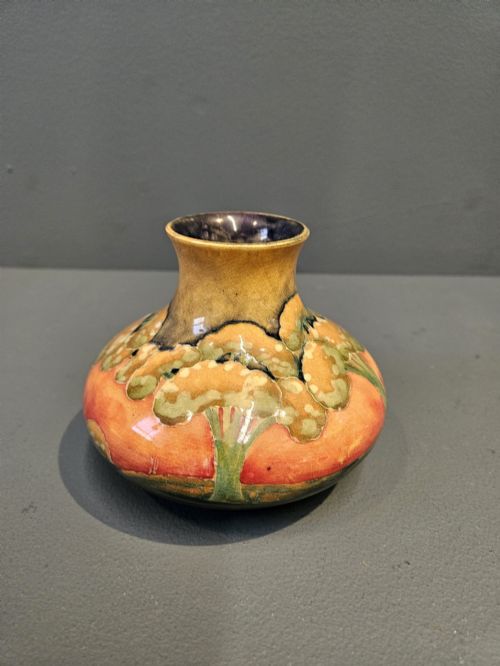
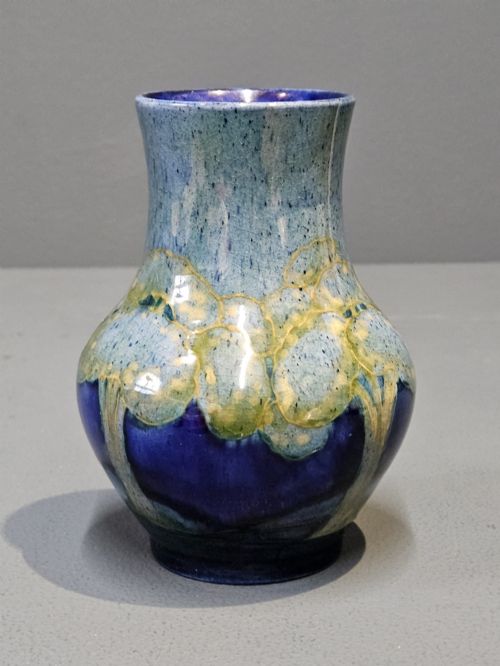
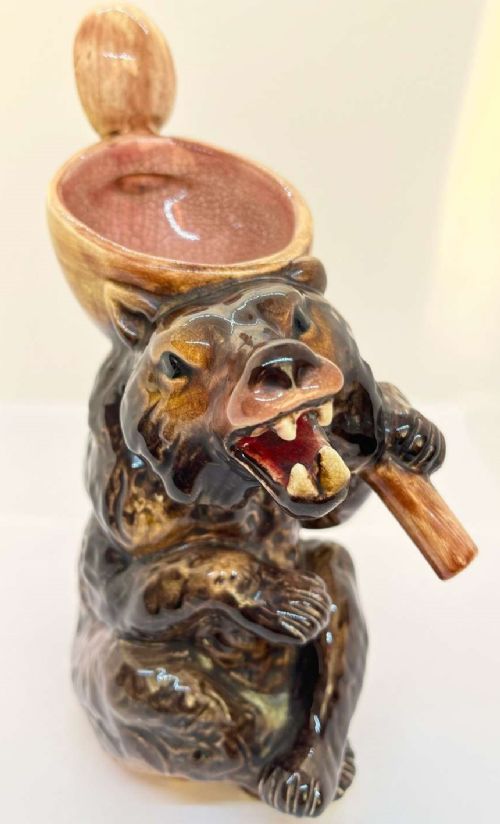
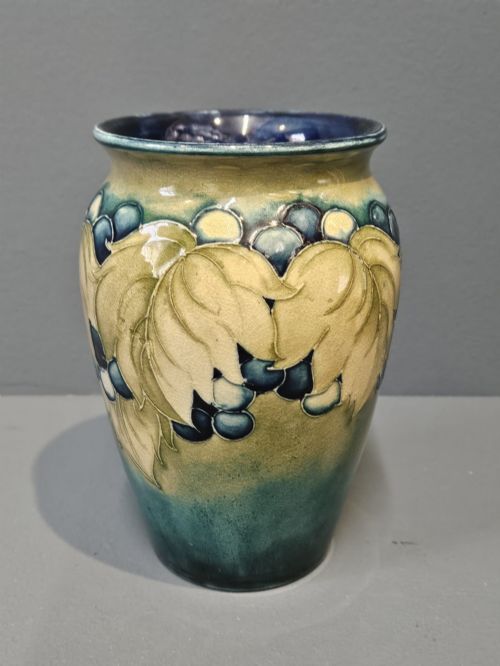
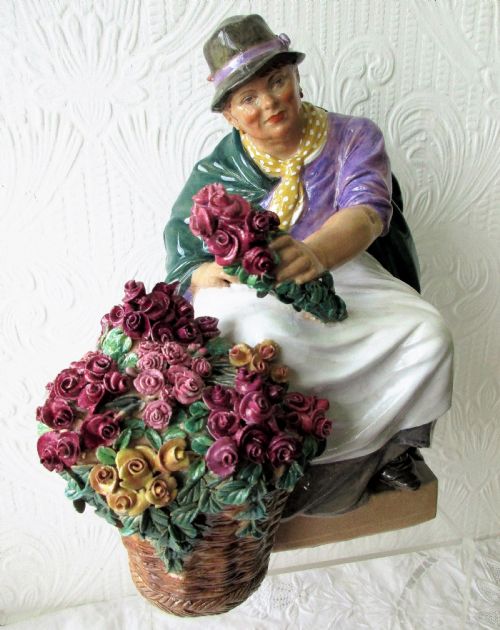
You are most likely to meet Victorian Staffordshire pottery figures, Moorcroft vases, and studio pottery figurines on this page. The selection leans heavily towards nineteenth-century commemorative figures, colourful majolica jugs, and early twentieth-century art pottery.
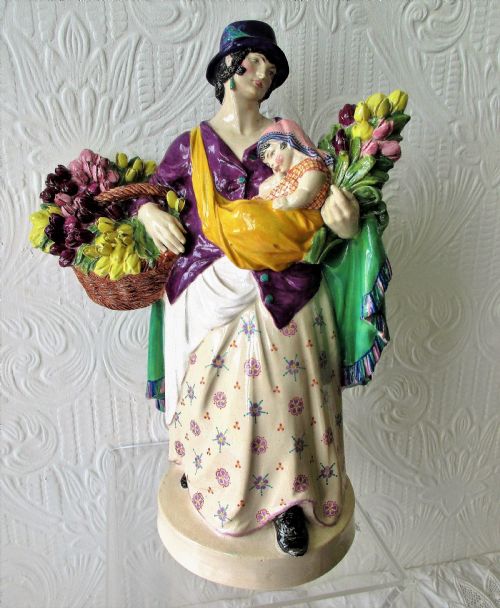
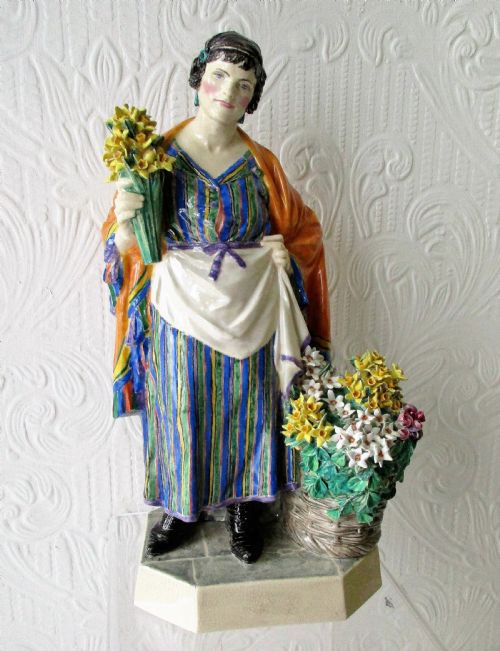
The objects range from modest Staffordshire animals and toby jugs to signed studio pieces by makers like Charles Vyse. Each item preserves the distinct aesthetic and firing methods of its specific decade, from 1860s figures to 1930s tableware.
Materials and technique
Makers shaped porous clay bodies before applying lead glazes, enamel colours, or rich celadon finishes to seal the surface. Techniques varied from slip casting and press moulding for Staffordshire figures to hand-thrown forms for studio pottery and agateware.
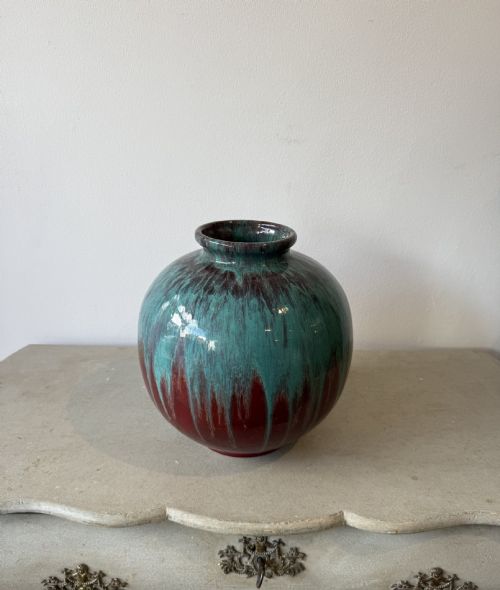
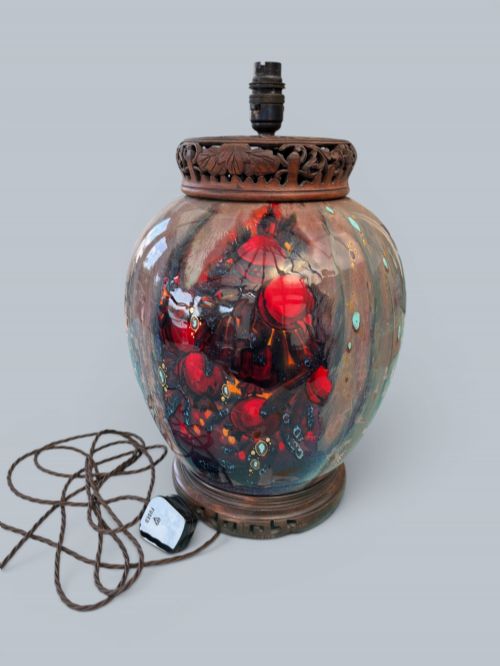
Firing temperatures determined whether the piece remained porous earthenware or vitrified into denser stoneware. Surface decoration relied on brushwork, applied motifs, and specialised glazing processes like those seen on Macintyre Flamminian ware and Pilkingtons Royal Lancastrian vases.
Collectible Earthenware Retail Price Guide 2026
Typical asking prices for collectible earthenware among the pieces listed under this phrase on Sellingantiques today, from the lower quarter to the upper quarter. They describe what is for sale here now, not the wider market.
Several Victorian cows stand ready to serve cream from their mouths.
What varies in quality
Provenance and artistic authorship elevate certain items well above standard factory output. Signed pieces by established designers and makers carry greater artistic weight, distinguishing mass-produced commercial wares from individual studio achievements.
Holdcroft·Moorcroft·Royal Doulton·Maling·Shelley·Wedgwood and Co Ltd·Macintyre and Co·Pilkingtons Royal Lancastrian·Rozenburg
The Collectible Earthenware Glossary
- Earthenware
- Porous pottery fired at lower temperatures than stoneware or porcelain. It requires a glaze to become impermeable to liquids.
- Agateware
- Pottery made by blending different coloured clays to imitate the banded appearance of natural stone. Potters manipulate the wet clay bodies before shaping and glazing.
- Staffordshire figure
- A ceramic figurine produced in the potteries of Staffordshire, England. These popular figures typically depict royalty, literary characters, and animals.
- Studio pottery
- Ceramic ware made by individual artists working by hand in small workshops. These pieces emphasise unique forms and experimental glazing techniques over mass production.
Collectible Earthenware: Frequently Asked Questions
What is collectible earthenware?
Collectible earthenware encompasses a diverse range of fired clay objects, from nineteenth-century Staffordshire figures to twentieth-century art pottery vases.
These pieces were produced for display or daily use, capturing the artistic styles and domestic habits of past eras.
How do I care for my earthenware?
Keep your earthenware pieces out of direct sunlight to prevent fading on enamelled and painted surfaces.
Dust them gently with a dry, soft cloth and avoid submerging antique pieces in water, especially if the glaze shows fine crazing.
How do I date a ceramic piece?
Examine the base for maker marks, stamps, or impressed registry numbers that correspond to specific manufacturing periods.
Stylistic clues, such as Victorian modelling techniques or Art Deco colour palettes, also help narrow down the decade of production.
What is the difference between earthenware and stoneware?
Earthenware is fired at lower temperatures, leaving the ceramic body porous unless sealed with a glaze.
Stonerware is fired much hotter until the clay vitrifies, making the vessel naturally impermeable and denser than standard earthenware.