



Collectable Sewing Accessories
Collectable sewing accessories are small, intricate pieces of functional needlework equipment from the Victorian and Edwardian periods that collectors prize for their clever designs.
Collectable Sewing Accessories
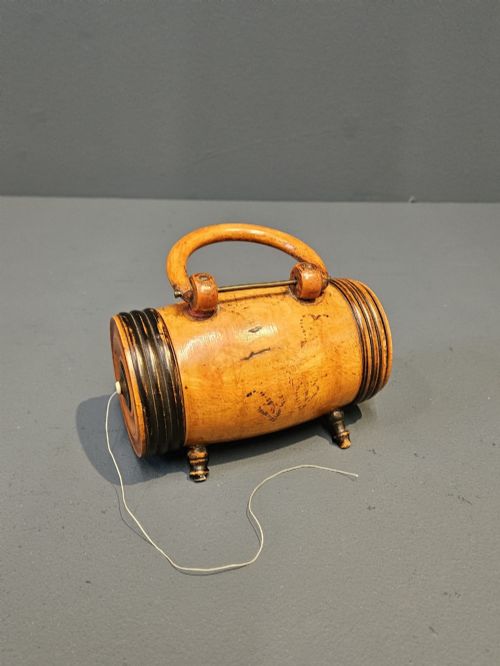
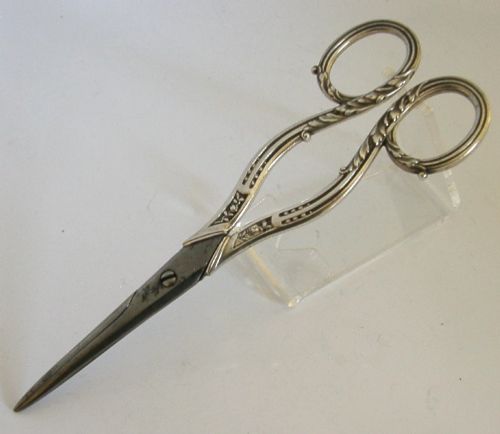
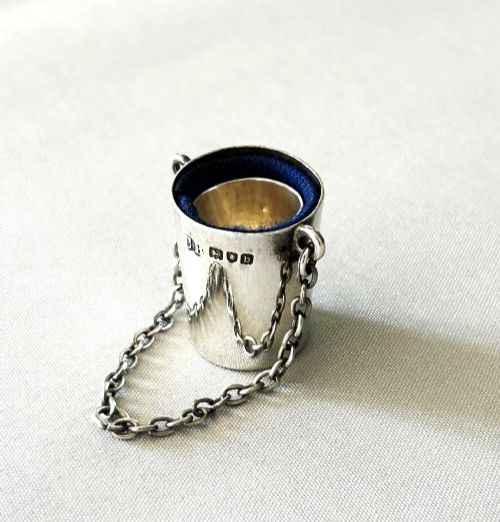
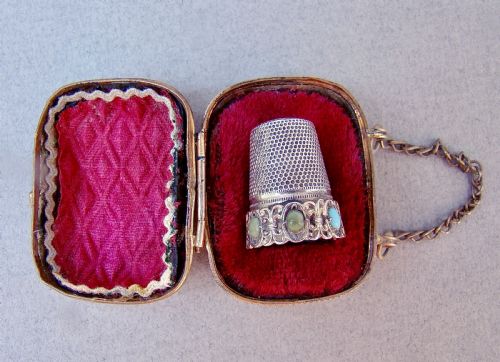
When someone searches for collectable sewing accessories, they encounter a diverse array of small functional items produced primarily during the Victorian and Edwardian eras. These objects range from practical tools such as thimbles, scissors, and cotton reel holders to whimsical display pieces designed for the vanity table.
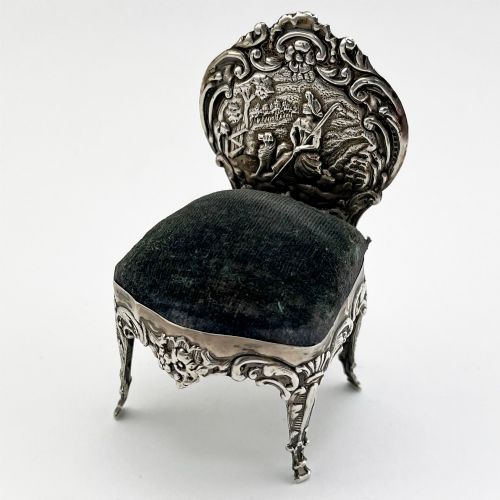
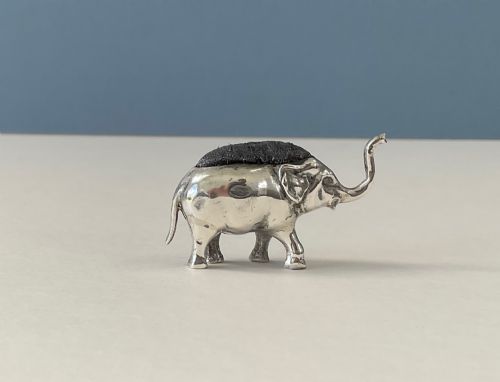
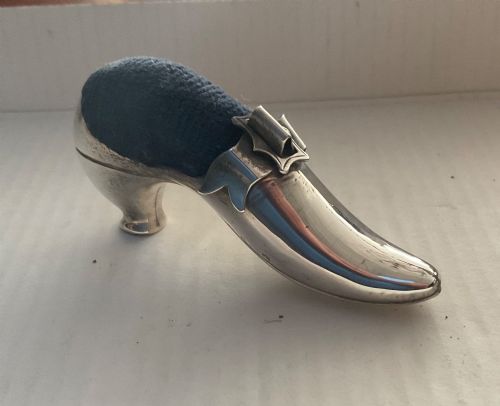
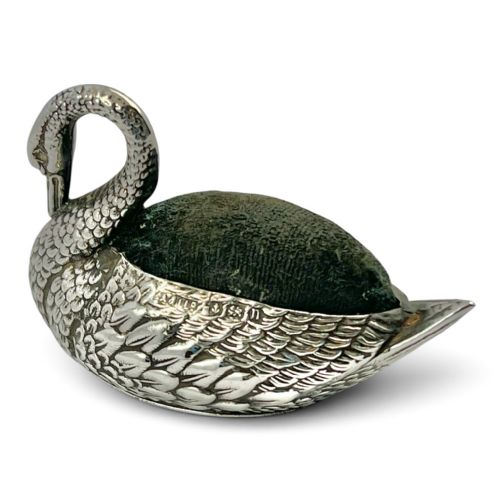
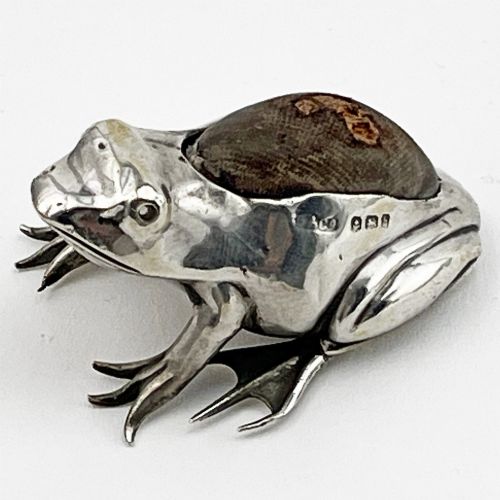
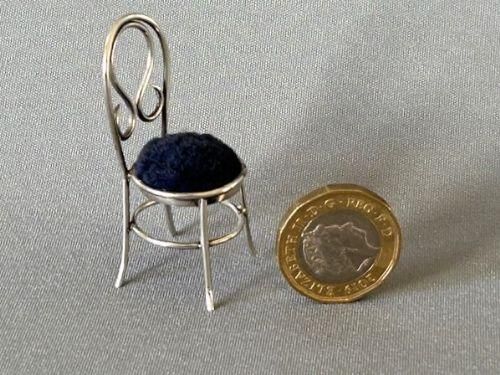
The most common items met on this page are novelty silver pin cushions shaped as animals, birds, and vehicles alongside fitted cases and chatelaine holders. Silversmiths of the nineteenth and early twentieth centuries transformed ordinary sewing implements into miniature sculptures using sterling silver and velvet.
How they were made
Makers shaped sterling silver and ormolu into complex figurative forms, employing techniques such as stamping, casting, and hand engraving to detail the surface decoration. Animal pin cushions required precise metalwork to achieve realistic textures on tiny scales while housing internal stuffing beneath fabric.
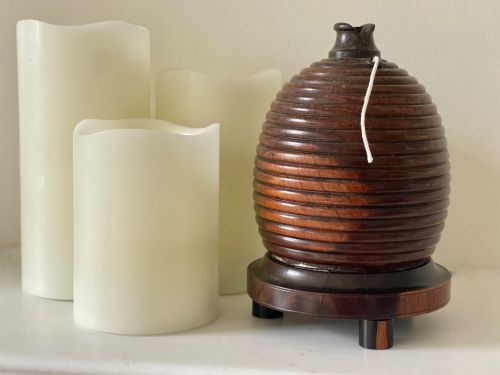
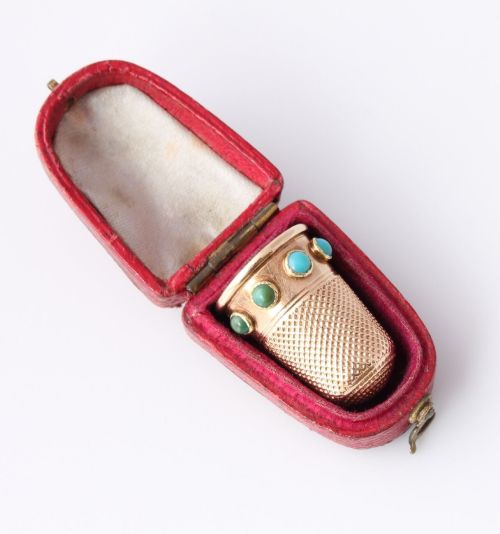
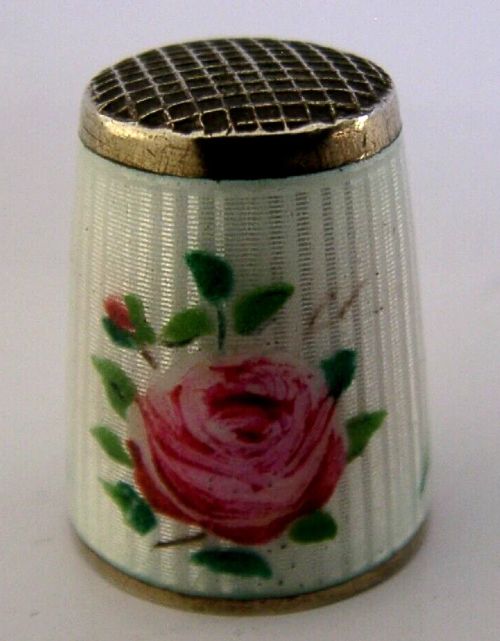
Enamelling added vibrant colour to items like thimbles, utilising vitreous glass fused to metal surfaces under high heat. Organic materials such as rosewood, corozo nut, and fabric complement the metal components, demonstrating varied artisanal methods of turning and carving.
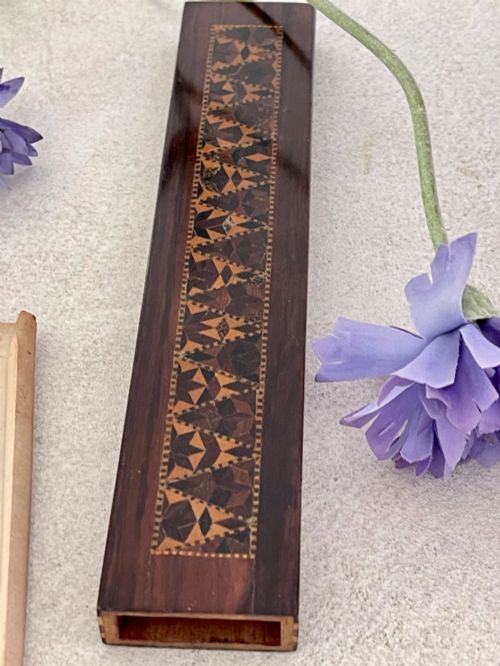
Specialised components like steel scissors and silk skein holders reveal precision manufacturing tailored for delicate textile tasks. Cases often combined carved wood, such as Tunbridge ware, with fitted metal hardware to secure individual sewing tools.
Collectable Sewing Accessories Retail Price Guide 2026
Typical asking prices for collectable sewing accessories among the pieces listed under this phrase on Sellingantiques today, from the lower quarter to the upper quarter. They describe what is for sale here now, not the wider market.
Listings feature sterling silver, ormolu, rosewood, and vitreous enamel across Victorian, Edwardian, and mid-twentieth-century periods.
What varies in quality
Quality also depends on the preservation of the original velvet inserts and the clarity of hallmarks stamped into the silver. Intact vitreous enamel without chips and securely fitted hinged components elevate the standard of a piece significantly.
Adie & Lovekin·Charles Horner·Sampson Mordan & Co·Walter & George Myers·David Andersen
The Collectable Sewing Accessories Glossary
- Chatelaine
- A decorative belt hook suspended with chains carrying small functional household items such as scissors and thimble cases.
- Pin Cushion
- A small stuffed pad, frequently integrated into silver animal novelties, designed to hold pins during needlework.
- Ormolu
- A gilded bronze or brass finish applied to decorative mounts and cases, popular in French and English ornamental items.
- Tunbridge Ware
- Woodworking characterised by tiny mosaic tiles formed from naturally coloured woods to create geometric patterns.
- Vitreous Enamel
- A material made by fusing powdered glass to a metallic substrate through firing, creating a glossy and durable coloured surface.
Collectable Sewing Accessories: Frequently Asked Questions
What are collectable sewing accessories?
These are functional nineteenth and twentieth-century tools and novelty items used for needlework and displayed as ornaments.
They include silver animal pin cushions, thimble cases, scissors, and cotton reel holders made by period silversmiths.
How were silver pin cushions used?
Victorian and Edwardian seamstresses used them to hold pins securely on dressing tables or workboxes during sewing tasks.
The novelty animal designs doubled as decorative mantle or vanity ornaments when not actively holding pins.
How do I identify Edwardian silver pieces?
Examine the object for British hallmarks that indicate the assay office, standard mark, and date letter corresponding to the reign.
Edwardian items frequently display naturalistic animal motifs and lighter sterling silver gauges compared to earlier heavy Victorian examples.
What materials are common in these accessories?
Sterling silver and ormolu dominate the metalwork, often combined with velvet pads, steel blades, and vitreous enamel.
Organic materials such as rosewood and corozo nut appear in Tunbridge ware holders and specialised thimble cases.