





Collectable Porcelain Saucer
A collectable porcelain saucer brings miniature artistry to the table, offering a glimpse into centuries of ceramic design.
Collectable Porcelain Saucer
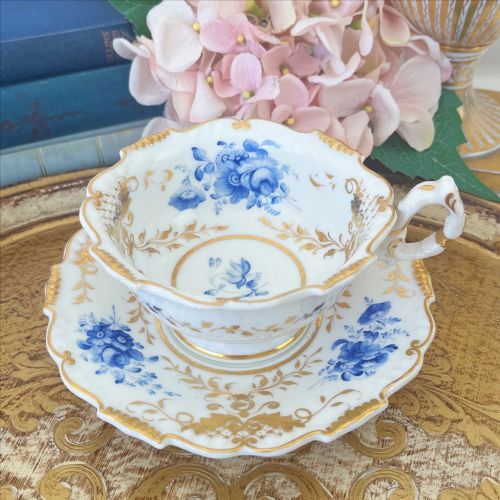
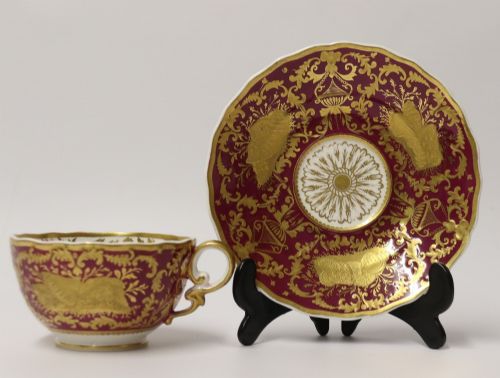
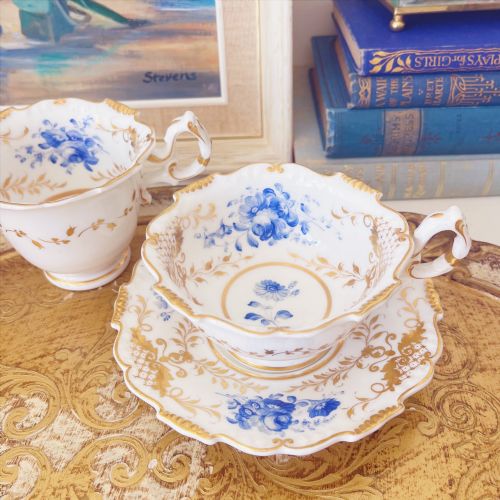
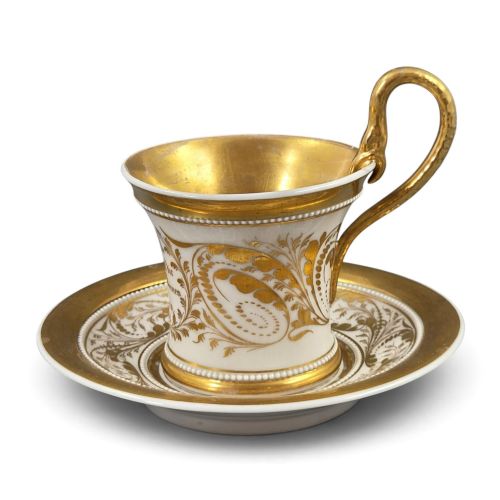
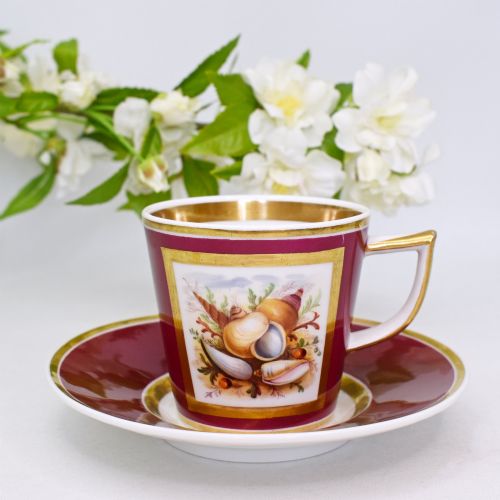
A collectable porcelain saucer is a small ceramic dish designed to accompany a teacup, coffee cup, or tea bowl. The items seen here span periods from the eighteenth century through to the mid twentieth century, encompassing Georgian, Regency, and Edwardian styles.
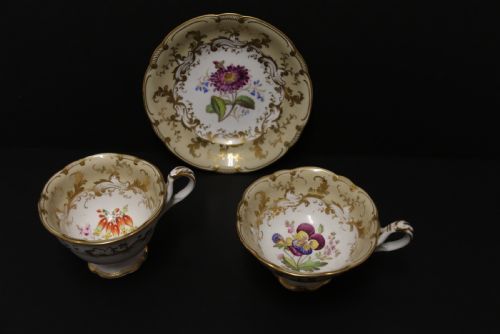
Most examples appear alongside their matching cups as duos or trios, though individual cabinet pieces and decorative plates also emerge. Buyers encounter various forms such as tea bowls, demitasse sets, and specialised cabinet cups from English and continental factories.
Materials and construction
Potters utilised hard-paste porcelain, soft-paste porcelain, and bone china to form the base bodies. These ceramic materials provided the smooth, durable canvas necessary for intricate underglaze and overglaze decoration.
Artisans applied handpainted motifs, polychrome enamel colours, and gold leaf or gold gilding to the surfaces. Many pieces reflect specialised firing techniques and pattern traditions associated with major European kilns.
Collectable Porcelain Saucer Retail Price Guide 2026
Typical asking prices for collectable porcelain saucer among the pieces listed under this phrase on Sellingantiques today, from the lower quarter to the upper quarter. They describe what is for sale here now, not the wider market.
A tiny painted dragon keeps perpetual watch inside a compartmentalized ceramic cup.
Factors of quality
Quality rests in the precision of the handpainted brushwork and the complexity of the enamel and gilding work. Superior pieces display crisp detailing in patterns like Kakiemon designs or compartmentalized dragon motifs.
The refinement of the porcelain paste and the historical importance of the producing factory elevate certain wares. Pieces originating from notable workshops demonstrate superior potting skill and artistic ambition.
Spode·H & R Daniel·KPM Berlin·Rockingham·Flight Barr & Barr·Meissen·Hutschenreuter·Davenport·Ridgeway·Royal Crown Derby
The Collectable Porcelain Saucer Glossary
- Cabinet cup and saucer
- A decorative ceramic set intended for display in a cabinet rather than for daily tea service. These pieces usually feature finer handpainted artwork and richer gilding.
- Tea bowl
- A handleless drinking vessel used historically for consuming tea before standard cups with handles became common. They appear paired with matching saucers in eighteenth-century formats.
- Hard-paste porcelain
- A durable ceramic composition made from kaolin and petuntse fired at high temperatures. It yields a dense, vitreous body characteristic of many continental factories.
- Soft-paste porcelain
- An early ceramic mixture containing glass frit and white clay that predates true hard-paste porcelain. It possesses a softer glaze surface and a warmer appearance.
- Bone china
- A type of soft-paste porcelain incorporating bone ash to increase strength and translucency. English makers adopted this material widely during the nineteenth century.
Collectable Porcelain Saucer: Frequently Asked Questions
How do I care for antique porcelain saucers?
Wash these delicate ceramic items gently by hand using mild soap and warm water. Avoid placing them in dishwashers or using abrasive sponges that might damage the surface gilding and enamel work.
Store them securely in cabinets or on padded shelves where they remain safe from knocks and sudden temperature changes. Proper handling preserves the fragile painted details for future generations.
Were these saucers meant for everyday use?
Many nineteenth-century examples served practical roles in middle and upper-class dining routines. Cabinet pieces and presentation cups, however, functioned primarily as decorative display items.
Over time, functional tea wares transition into collectible display pieces as their historical value increases. Their survival depends heavily on how carefully previous owners used and stored them.
How can I tell the period of a saucer?
Examine the paste, glaze characteristics, and any factory marks stamped or painted on the underside. Stylistic cues such as Regency shapes or Rococo Revival ornamentation also point toward specific decades.
Comparing pattern numbers and decorative techniques with known factory archives helps narrow down the production era. Subtle differences in weight and translucency distinguish eighteenth-century wares from later nineteenth-century pieces.
What is the difference between a tea bowl and a teacup?
Tea bowls lack handles entirely and follow traditional Asian forms adopted during the early periods of tea drinking in Europe. Teacups feature applied handles designed for a more comfortable grip.
Both forms require matching saucers designed with central wells to hold the base securely. The transition from handleless bowls to handled cups occurred gradually across the Georgian era.