





Collectable Flatware
Collectable flatware brings centuries of domestic silver and pewter to the table, offering functional history that collectors prize for its maker marks and craftsmanship.
Collectable Flatware
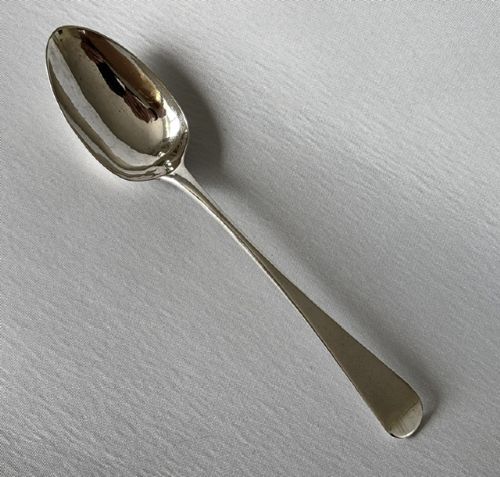
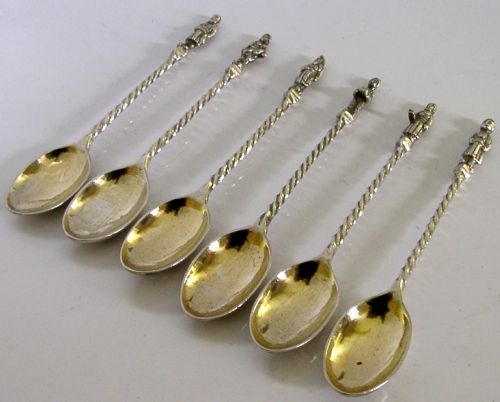
Collectable flatware encompasses spoons, forks, and serving pieces spanning from the seventeenth century through the mid-twentieth century, with a strong representation of early silver tablespoons and specialised eating implements. You will frequently encounter seventeenth-century trefid and dognose spoons alongside eighteenth-century caddy spoons and Victorian table silver.
The objects originate from English, provincial, Ottoman, and Danish makers, utilising forms that evolved from early seal top and apostle designs into specialised utensils such as marrow scoops and medicine spoons.
These pieces served practical dining and domestic roles in their own time, which now provide tangible links to past domestic rituals and provincial silversmithing traditions.
Materials and Construction
Makers shaped these items primarily from sterling silver, solid silver, and Britannia standard silver, alongside pewter and silver plate, occasionally incorporating gold gilt and enamel details.
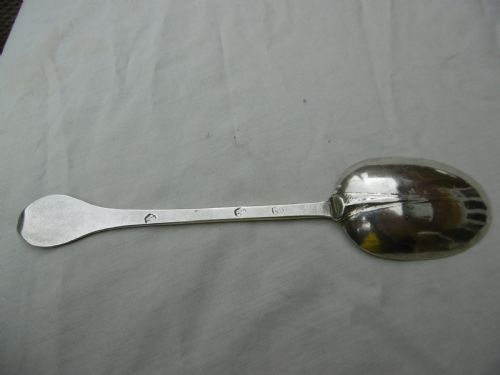
Silversmiths hammered and cast metal into heavy gauges, applying hand-cut hallmarks, rattail attachments, and engraved initials directly onto the bowls and stems.
Collectable Flatware Retail Price Guide 2026
Typical asking prices for collectable flatware among the pieces listed under this phrase on Sellingantiques today, from the lower quarter to the upper quarter. They describe what is for sale here now, not the wider market.
Listings feature sterling silver, pewter, and gold gilt items spanning the seventeenth century to the mid-twentieth century.
Defining Quality
Quality rests upon the clarity of hallmarks, the crispness of original engraving, and the preservation of the original bowl shape against centuries of wear.
Peculiarities such as provincial assay marks, known maker attributions, and rarer handle forms like trefid or figural terminals separate ordinary spoons from exceptional survivals.
Peter and Jonathan Bateman·William Penstone·Isaac Davenport·Benjamin Prosser·Thomas Issoa·Lawrence Coles·Daniel Cary·John King·Archibald Knox
The Collectable Flatware Glossary
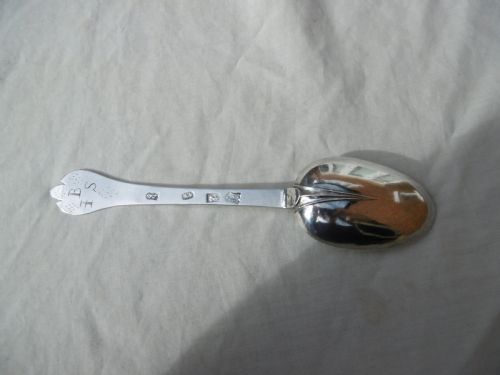
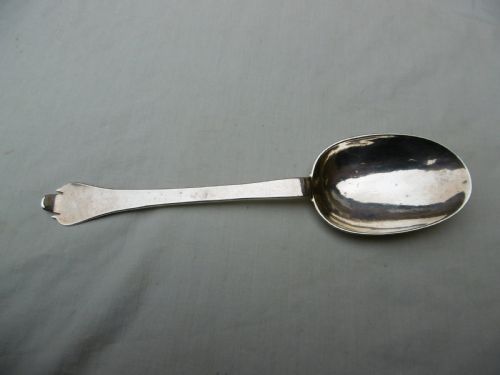
- Trefid
- A late seventeenth-century spoon style with a flattened, three-lobed terminal handle. This form marks a distinct shift in dining cutlery design.
- Dognose
- A spoon with a notched, spatulate terminal that evolved directly from the trefid style around the turn of the eighteenth century. It is sometimes called the old english pattern.
- Rattail
- A slender tapering spine running down the back of a spoon bowl to strengthen the joint with the stem. This feature appears frequently on seventeenth and eighteenth-century silver.
- Hallmark
- An official stamp struck into precious metals to guarantee purity and identify the assay office, maker, and year of production. These marks are essential for dating and provenance.
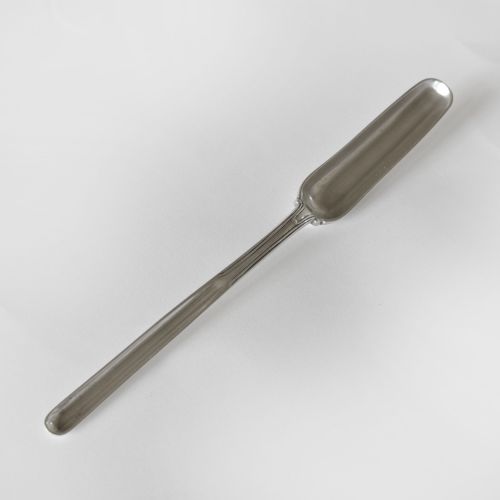
- Marrow scoop
- A narrow, double-ended utensil designed for extracting marrow from bones during formal dining. These pieces reflect the specialised culinary habits of past centuries.
Collectable Flatware: Frequently Asked Questions
How do I identify early silver spoons?
Examine the handle shape, such as trefid or dognose terminals, and check the reverse of the stem for town marks, maker initials, and date letters.
Matching these stamped hallmarks against historical records confirms the exact period and silversmith workshop.
What is a trefid spoon?
A trefid spoon is an eating utensil featuring a broad, flat handle split into three lobes at the end, popular during the late seventeenth century.
This design represents an early transition toward modern flatware shapes while maintaining distinct period aesthetics.
Are pewter spoons older than silver ones?
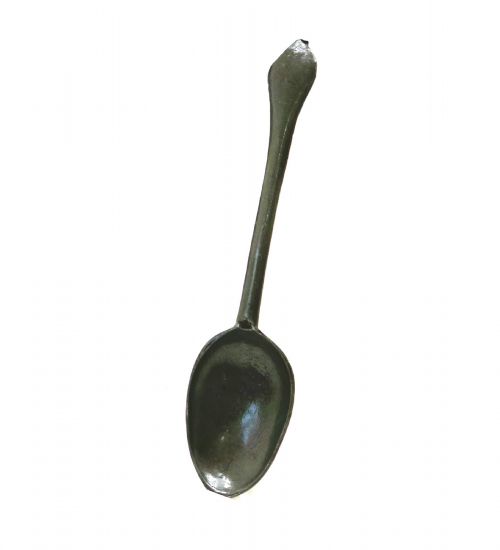
Early metalware pewter spoons often date to the seventeenth and early eighteenth centuries, serving households that could not afford solid silver.
Both materials survived side by side, though pewter displays different surface patination and wear patterns.
How should I clean antique silver flatware?
Wash silver pieces gently in warm water with mild soap, avoiding harsh abrasive dips that strip away desirable historical patination.
Store them in tarnish-resistant cloth to protect the metal surface and delicate hallmarks over time.