




Collectable English Art Pottery
Collectable English art pottery brings together bold glazes, expressive figurines, and handcrafted vessels from the late nineteenth and early twentieth centuries.
Collectable English Art Pottery
Collectable English art pottery encompasses vases, figurines, bowls, and table lamps created across the nineteenth and twentieth centuries in distinct regional potteries and independent studios. These pieces display the artistic shifts of their eras, ranging from Victorian forms and Arts and Crafts simplicity to Art Nouveau curves and Art Deco geometry.
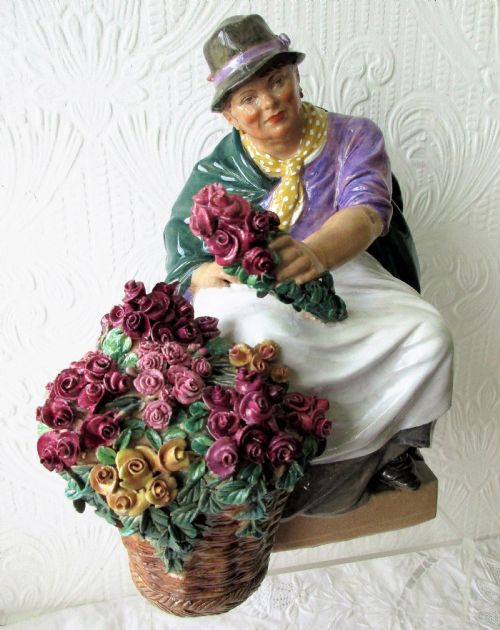
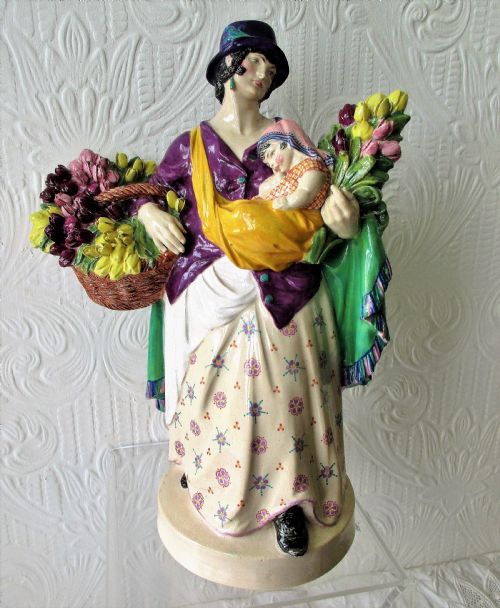
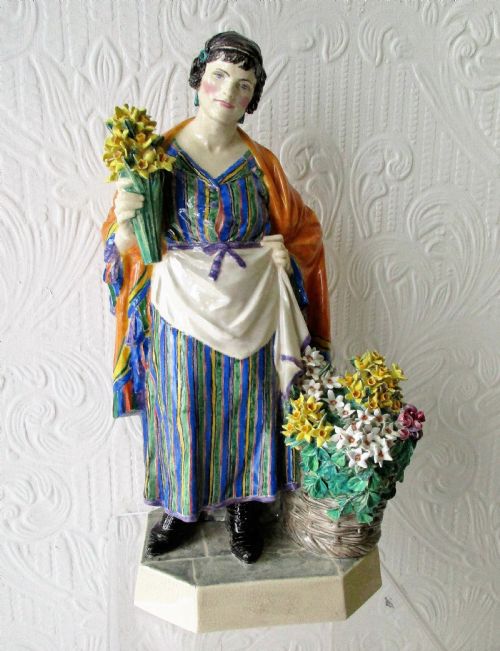
The selection on this page centres heavily on pieces from the 1920s and 1930s, alongside earlier nineteenth-century examples and items from the 1910s. Buyers frequently encounter iconic names like Moorcroft and Wedgwood alongside studio figures such as Charles Vyse and regional works like Verwood pottery.
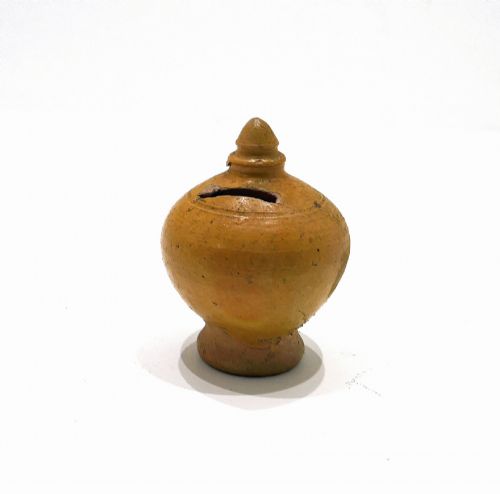
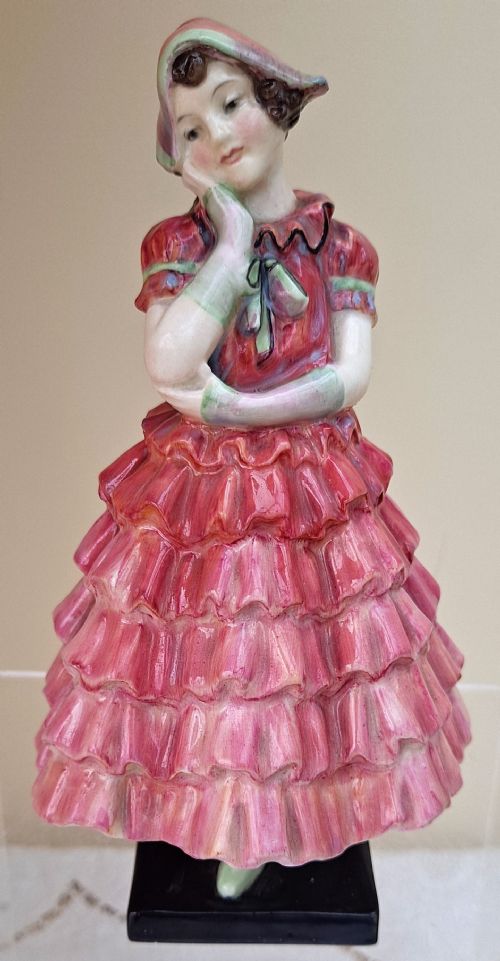
Forms vary from practical items such as money boxes, jugs, and decorative bowls to highly ornate figurines and miniature vases. Earthenware and glazed ceramics dominate the offerings, providing a wide range of surfaces from lustre finishes to salt glazes.
How they were made
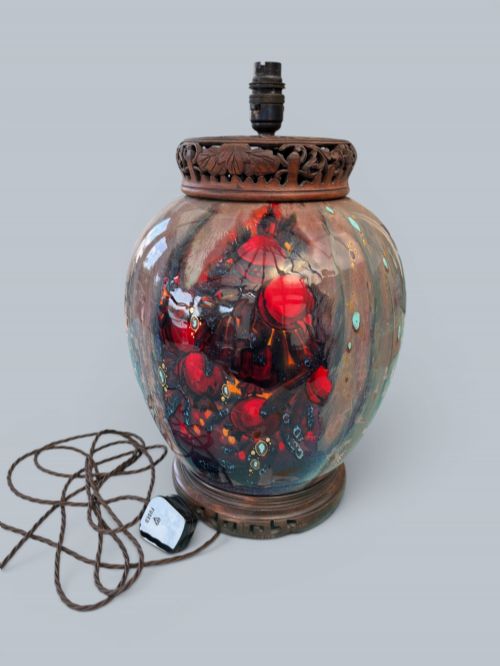
Potters relied primarily on earthenware, stoneware, and porcelain bodies, shaping vessels on the wheel or casting figurines in moulds before applying detailed decoration. Glazes were a central focus, utilising varied chemical compositions and firing techniques to achieve deep lustre, mottled textures, and vivid colour contrasts.
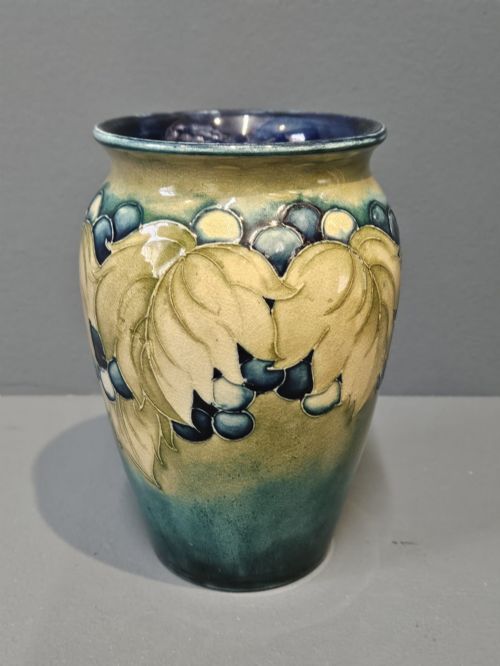
Many items incorporate hand-painted details and raised slip work, such as the tube-lined leaf and berry motifs seen on Moorcroft pieces or the intricate enamel designs on Wedgwood lustreware. Kiln conditions played a defining role, as fluctuating temperatures and atmospheric controls created the unpredictable tonal shifts valued by collectors.
Even money boxes from Dorset managed to look like serious art by the late Victorian era.
What varies in quality
Quality in these ceramics rests on the clarity of the glaze application, the precision of the hand-painted or tube-lined decoration, and the crispness of the modelling in figures and relief work. Superior examples demonstrate a strong command of kiln chemistry and design, where surface effects enhance rather than obscure the form.
Maker signatures, impressed factory marks, and artist ciphers add substantial weight to a piece, distinguishing standard production runs from artist-signed studio works. The balance of the silhouette and the ambition of the pattern also separate standard commercial wares from the finest achievements of the period.
Charles Vyse·Emma Shute·William Moorcroft·Maling
The Collectable English Art Pottery Glossary
- Lustre
- A type of ceramic glaze containing metallic salts that produce an iridescent, mother-of-pearl sheen when fired in a reduced oxygen atmosphere. Wedgwood pieces often showcase this technique.
- Tube-lining
- A decorative method where liquid clay, or slip, is squeezed through a nozzle onto a ceramic body to create raised outlines for patterns. This technique defines the classic Moorcroft look.
- Earthenware
- Porous pottery fired at lower temperatures, requiring an impermeable glaze to hold liquids. It forms the base for many nineteenth and twentieth-century decorative pieces.
- Salt glaze
- A finish achieved by throwing common salt into the kiln during high-temperature firing, creating a textured, slightly pitted surface resembling orange peel. It is characteristic of certain durable stonewares.
- Slip
- A mixture of clay and water suspended to the consistency of cream, used for casting, decorating, or joining clay components before firing.
Collectable English Art Pottery: Frequently Asked Questions
How do I identify a Moorcroft piece?
Look for raised tube-lined patterns and deep, rich glazes on vases, bowls, and plates from the early twentieth century.
Most authentic items feature impressed factory marks alongside painted signatures or initials on the underside.
What is Wedgwood lustreware?
Wedgwood lustreware consists of ceramics finished with metallic glazes that create iridescent, rainbow-like surfaces reflecting light in distinctive ways.
These decorative items often incorporate fairy and mythical motifs designed in the early twentieth century.
Are studio pottery figurines marked?
Many studio pottery figurines carry artist signatures, incised initials, or specific title inscriptions directly on the base.
Pieces by makers such as Charles Vyse often identify both the individual sculpture name and the maker.