




Collectable Ceramic Urn
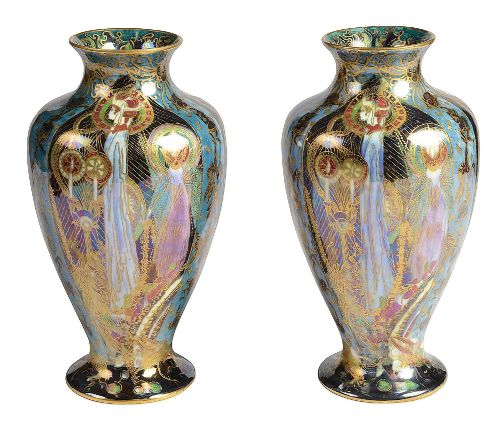
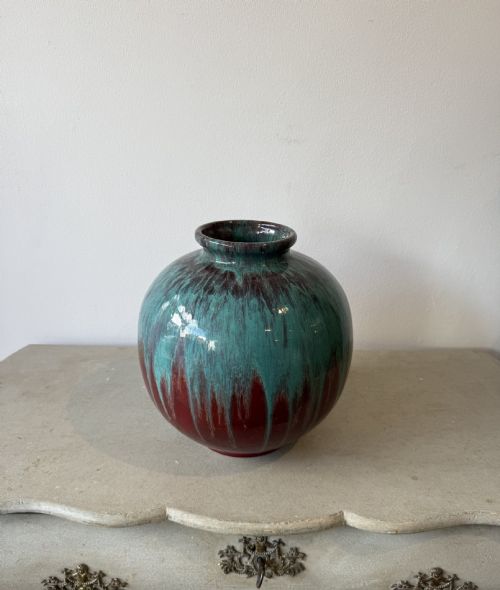
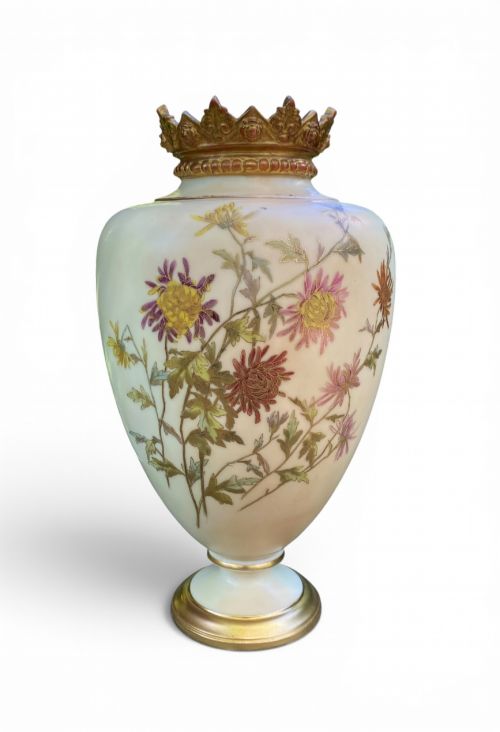
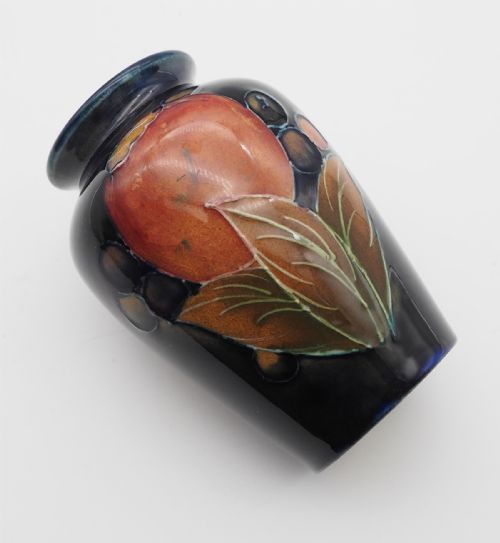
These collectable ceramic urn and vessel pieces combine rich glaze work and hand-painted detail from the nineteenth and twentieth centuries.
Collectable Ceramic Urn
A collectable ceramic urn encompasses decorative vessels, ginger jars, and pot pourri pots created across the nineteenth and twentieth centuries. The selection here leans heavily towards vases and urns from the Victorian era up through the nineteen-fifties.
Makers represented span traditional English potteries and French ceramic studios, producing pieces in styles ranging from Victorian Aesthetic Movement and Art Nouveau to Art Deco and Arts and Crafts.
Buyers seeking a collectable ceramic urn will encounter forms varying from miniature flower vases to large baluster shapes and ginger jars painted with landscapes, animals, or abstract glaze effects.
How they were made
Production relies on ceramic, earthenware, bone china, porcelain, and stoneware bodies shaped on the wheel or cast in moulds. Potters then applied detailed enamels, glazes, and occasional gold leaf to the surfaces.
Decoration involved hand-painting by notable artists using specialised ceramic colours, followed by high-temperature firing to vitrify the glaze and fix the pigments permanently to the clay body.
Listings feature pieces spanning from the Victorian period through the nineteen-fifties, utilising porcelain, earthenware, and stoneware.
What varies in quality
Quality rests upon the skill of the artist and the complexity of the glaze or hand-painted scene. Pieces featuring named artists and detailed animal or landscape subjects sit at the upper end of the range.
The refinement of the ceramic body and the depth of the glaze, such as lustres or lapis blue finishes, distinguish standard factory output from exceptional studio and studio-influenced production.
Wedgwood·Royal Worcester·Royal Doulton·William Moorcroft·Pilkingtons Royal Lancastrian·Royal Crown Derby·Mason’s Ironstone
The Collectable Ceramic Urn Glossary
- Baluster vase
- A vase with a rounded body that tapers towards the neck, often resembling the architectural shape of a baluster. This form provides a wide canvas for painted decoration.
- Ginger jar
- A ceramic jar with a broad body and a domed cover, originally used for spices. Later makers adapted the shape purely for decorative display.
- Pot pourri vase
- A vessel featuring a pierced lid designed to hold scented dried plant material. These jars allow fragrance to escape while concealing the contents.
- Lustre
- A metallic glaze technique that produces an iridescent sheen on the ceramic surface. It requires precise kiln control during firing to achieve the desired reflective quality.
- Earthenware
- A porous pottery body fired at lower temperatures than stoneware or porcelain. It usually requires an impermeable glaze to hold liquids securely.
Collectable Ceramic Urn: Frequently Asked Questions
How do I date a ceramic urn?
Dating relies on maker stamps, registration marks, and stylistic clues inherent to periods like the Victorian era or the nineteen-twenties. Examining the base often reveals impressed or printed factory ciphers.
Changes in glaze chemistry and painting styles further help narrow down the decade of production.
Are painted fruit scenes common?
Hand-painted fruit scenes appear frequently on pieces from specific factories, particularly Royal Worcester. Artists painted detailed apples, peaches, and berries against mossy backgrounds.
These pictorial works represent a distinct tradition within British decorative ceramics.
How should I display my urn?
Display these vessels away from direct sunlight to protect enamel pigments and gold leaf details from fading. Placing them on stable surfaces prevents accidental tipping.
Keep them clear of high-moisture areas to safeguard historic ceramic bodies.