
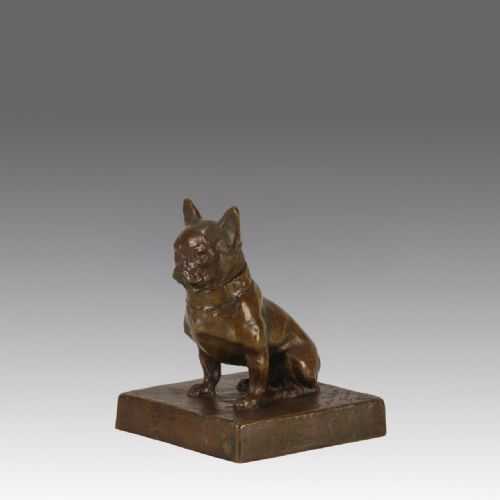
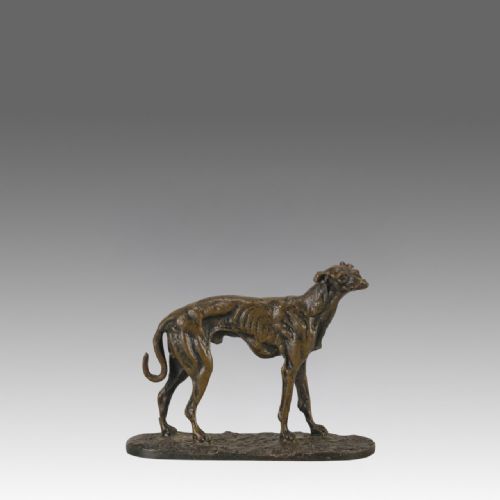
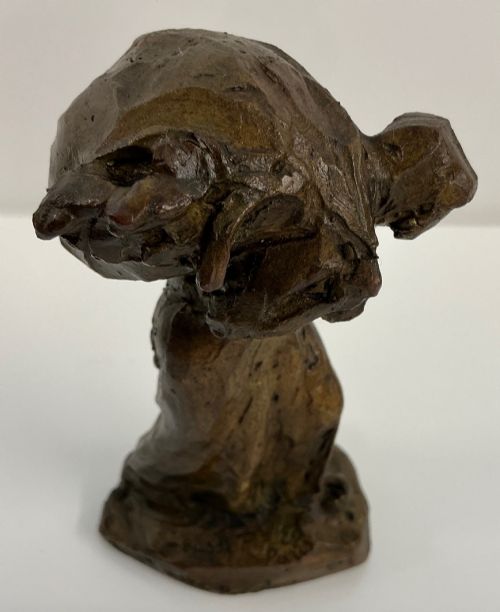

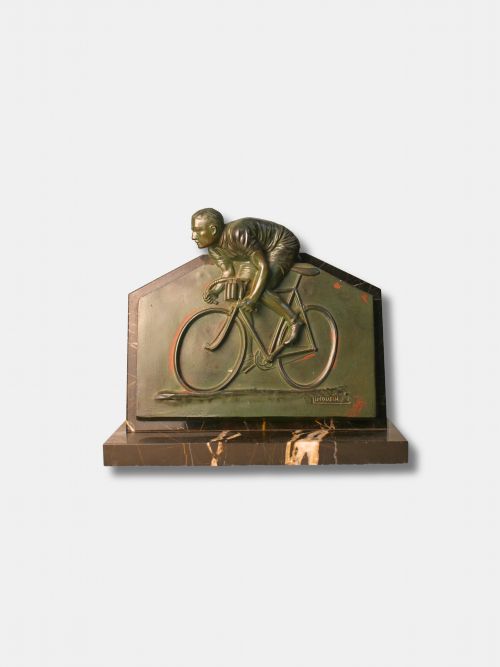


Collectable Bronze Statue
A collectable bronze statue brings animalier realism and human form into a room, offering tactile weight and historic presence.
Collectable Bronze Statue
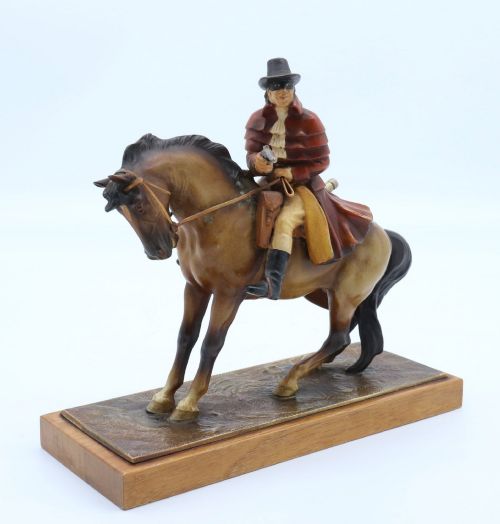
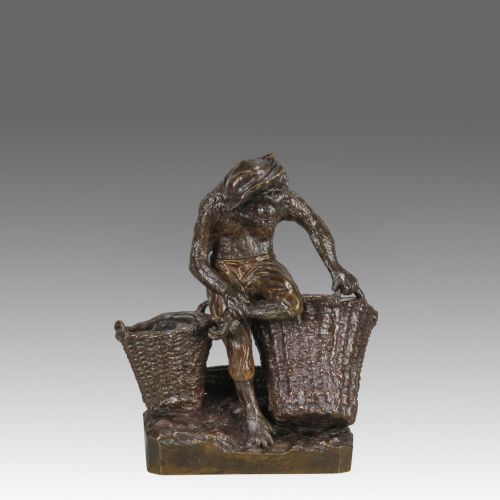
When you search for a collectable bronze statue, you encounter a range of nineteenth-century and early twentieth-century works, predominantly French animalier figures and Austrian cold-painted novelties. The selections here span the Victorian and Edwardian eras, progressing into Art Deco modernism and Asian Buddhist iconography. Animal subjects from dogs to buffaloes dominate the forms, alongside human figures, sporting scenes, and seated deities.
Most pieces date between the mid-nineteenth century and the 1920s, reflecting shifts from detailed realism to stylised modernism. You will find small statuettes designed for desks and mantelpieces, alongside larger sculptural studies cast in European foundries. The material palette frequently pairs cast metal with marble, onyx, or painted finishes to accentuate the subject.
How they were made
These works rely on traditional metal casting techniques, primarily utilising bronze, brass, and occasionally spelter. Foundries employed sand casting or the lost-wax method to capture intricate anatomical details in the animal and human figures. Many pieces incorporate a patinated finish, while others feature hand-applied paint or silvering to define the surface.
Plinths and bases provide structural support and aesthetic contrast, often constructed from contrasting natural materials like marble, onyx, or stone. Stamps, signatures, and foundry marks are frequently integrated into the metal during casting or engraved post-production to identify the maker.
Listings feature Victorian and Edwardian works alongside pieces from the nineteen-tens and twenties, spanning bronze, spelter, marble, and onyx.
What varies in quality
The integration of the sculpture with its base reveals the maker's attention to overall design and stability. Signed works and those bearing foundry stamps or registration marks carry greater documentary reliability, reflecting the workshop standards of the period.
Christophe Fratin·Antoine L Barye·P J Mêne·Jules Dalou·Julien Lorieux·Aristide Maillol·Edith Parsons·Franz Bergman·Elizabeth Anna Clapp·Joseph Francois Victor Chemin·Antoine Bofill·Claire Colinet·Barbedienne
The Collectable Bronze Statue Glossary
- Animalier
- A nineteenth-century artistic movement and style focused on the realistic portrayal of animals. Sculptors in this tradition studied anatomy closely at menageries and abattoirs.
- Patina
- The surface coloration or sheen developed on bronze over time through age or chemical treatment. Artists manipulated this layer to create depth and realistic tonal variations.
- Spelter
- A zinc alloy frequently utilised as a less expensive alternative to bronze during the nineteenth and twentieth centuries. It often received a bronze-like metallic paint or electroplated finish.
- Cold-painted
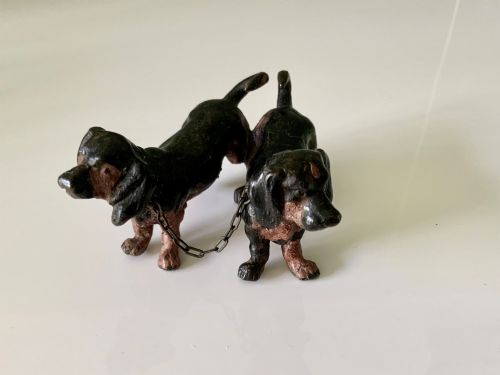
- A method of decorating bronze, particularly Austrian cabinet pieces, with oil-based paints that were left to dry naturally rather than fired in a kiln. This technique resulted in colourful, detailed finishes on small figures.
- Onyx
- A banded variety of chalcedony used frequently for the decorative bases and plinths of European statuettes. Its polished surface contrasts with the dark tones of patinated metal.
Collectable Bronze Statue: Frequently Asked Questions
What is an animalier bronze?
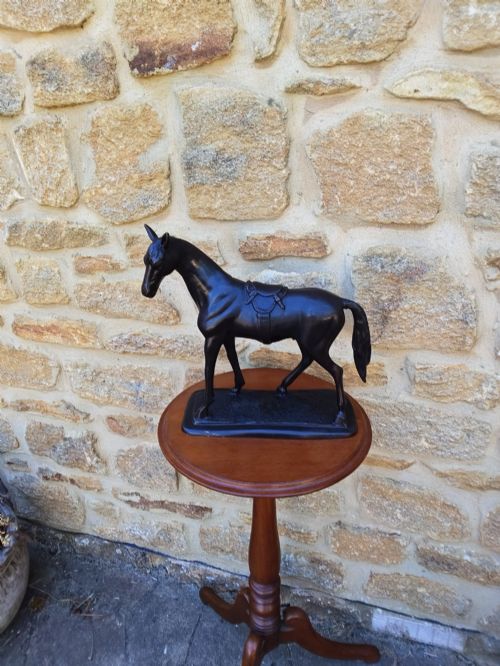
An animalier bronze is a sculptural work dedicated to the realistic depiction of animals, which gained immense popularity across nineteenth-century Europe.
These pieces capture creatures in motion or repose, reflecting a scientific and artistic fascination with natural anatomy during the period.
How do I clean a bronze statue?
You should clean a bronze statue gently using a soft, dry cloth to remove dust without disturbing the underlying patina.
Avoid commercial polishes or abrasive cleaners, which can strip away historic surface finishes and damage the metal permanently.
What is a cold-painted bronze?
A cold-painted bronze is a small figure decorated with natural drying paint, a technique famously employed by Austrian workshops around nineteen hundred.
These pieces often depict animals or human figures in vibrant polychrome hues, designed for display on desks and cabinets.
How can I tell bronze from spelter?
Bronze is heavier, harder, and cooler to the touch than spelter, exhibiting a warm brown or dark patination beneath any surface wear.
Spelter is a softer zinc alloy that may show grey metal beneath chips in its painted or bronze-effect coating.