







Cold Painted Animalier
Cold painted animalier figures are small metal and ceramic sculptures finished in polychrome paint, bringing character and realism to a cabinet or desk.
Cold Painted Animalier
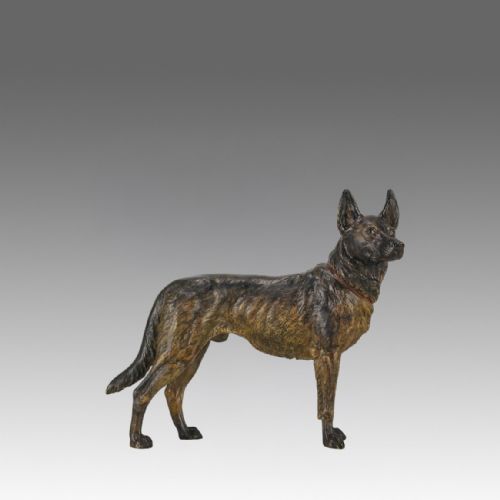
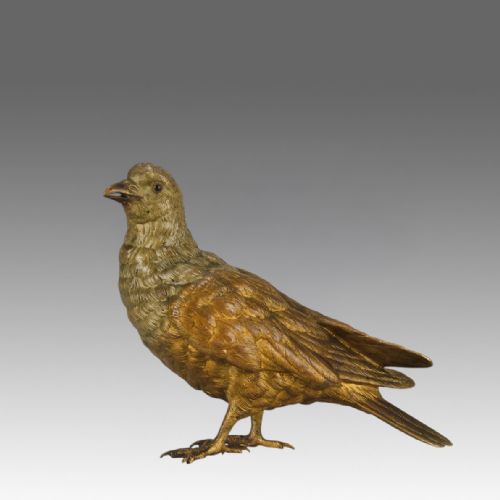
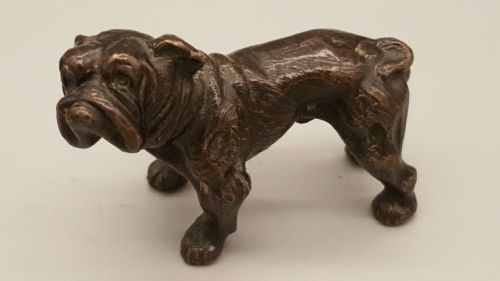
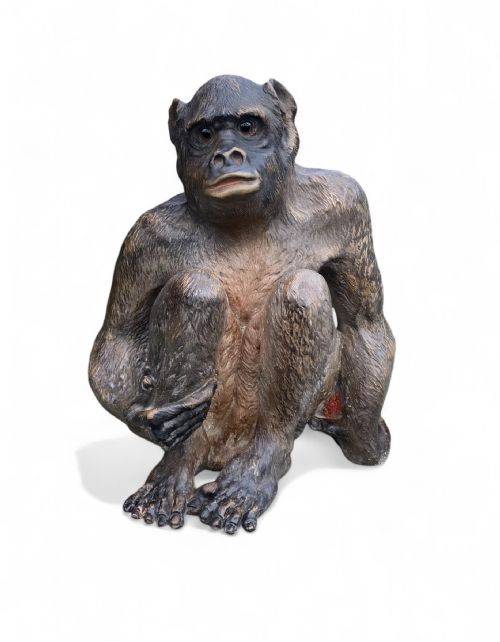
When you search for cold painted animalier, you find small sculptures of birds, dogs, and monkeys from the Victorian and Edwardian periods. These pieces include subjects like grouse, magpies, pigeons, hawks, and pug dogs, often rendered in lively poses.
The objects on this page span the late nineteenth century and the early twentieth century, taking the form of figurines, sculptural dishes, and studies on quartz rock bases. Most examples originate from Austrian and French workshops, capturing naturalistic animal forms in bronze and terracotta.
You are most likely to meet Vienna bronze castings and Austrian naturalist works alongside French animalier bronzes. These vary from simple figures of a single animal to complex scenes like a monkey racing a greyhound.
How they were made
These figures are principally cast in bronze or moulded in terracotta, capturing fine anatomical details of feathers and fur. Bronze examples receive a layer of cold-painted pigment or enamel paint applied after casting, rather than being fired in a kiln.
Some sculptures incorporate natural materials such as quartz rock bases to mount the bronze birds. The painting technique relies on multiple layers of matte or gloss pigments to build up the lifelike coloration of animals like the Alsatian, pug, and hawk.
Cold Painted Animalier Retail Price Guide 2026
Typical asking prices for cold painted animalier among the pieces listed under this phrase on Sellingantiques today, from the lower quarter to the upper quarter. They describe what is for sale here now, not the wider market.
A monkey races a greyhound in one detailed Vienna bronze dish.
What varies in quality
Quality in these sculptures rests upon the crispness of the metal casting and the preservation of the applied paint surface. Finer pieces display meticulous hand-finishing in the fur or plumage before any pigment touches the metal.
The realism of the posture and the complexity of the subject matter distinguish standard production from exceptional work. Signed pieces and those incorporating distinct natural bases like quartz demonstrate higher workshop output.
Franz Bergman·Franz Xaver Bergmann·Jules Moigniez
The Cold Painted Animalier Glossary
- Animalier
- A term for art that realistically depicts animals, particularly sculptures produced during the nineteenth and twentieth centuries. It encompasses both standalone figures and utilitarian objects adorned with fauna.
- Cold-Painted Bronze
- A bronze object decorated with oil or enamel paint applied directly to the cold metal surface without high-temperature firing. This technique allowed for vibrant, detailed polychrome finishes on small sculptures.
- Vienna Bronze
- Small bronze sculptures produced by Austrian foundries, notably during the late nineteenth and early twentieth centuries. They are famous for their humorous, naturalistic, or exotic animal subjects with cold-painted surfaces.
- Terracotta
- Fired clay used as a medium for sculptural works. It offers a matte, earthy texture distinct from metal castings.
Cold Painted Animalier: Frequently Asked Questions
How do I clean cold painted animalier bronzes?
Dust these figures gently with a soft, dry brush to protect the delicate paint layers. Avoid using water, solvents, or metal polishes that can strip the cold-painted finish.
Keep the sculptures away from direct sunlight and high humidity to prevent the paint from fading or flaking over time.
Were these figures meant for display?
Yes, these small bronzes and terracotta pieces were designed as decorative cabinet items, desk ornaments, and sculptural dishes for Victorian and Edwardian interiors.
Their compact scale allowed them to sit easily on tables, mantelpieces, and writing desks for close appreciation.
How can I tell Vienna bronze from French animalier?
Vienna bronzes typically feature the characteristic cold-painted polychrome finish on small animal subjects, sometimes marked with foundry stamps or Bergman symbols. French animalier sculptures more frequently rely on natural metal patinas rather than painted surfaces.
French works also tend to focus on the muscular tension and movement of wild animals, whereas Viennese pieces often capture domestic or whimsical scenes.
What periods do these sculptures date from?
The pieces on this page primarily date from the late nineteenth century through to the early decades of the twentieth century. This spans the Victorian and Edwardian eras, encompassing Art Nouveau and Austrian naturalist styles.
Earlier nineteenth-century examples sit alongside pieces marked by 1900, 1910, and 1920 dates.