
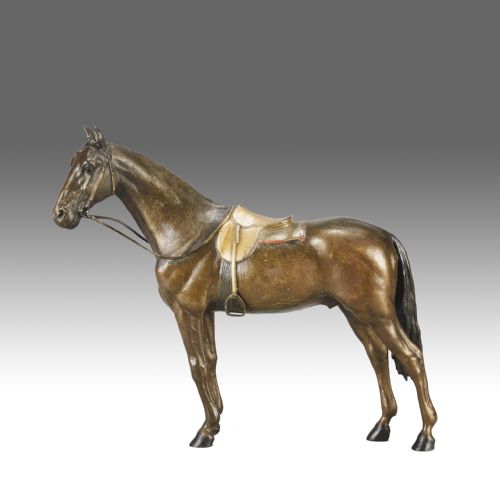
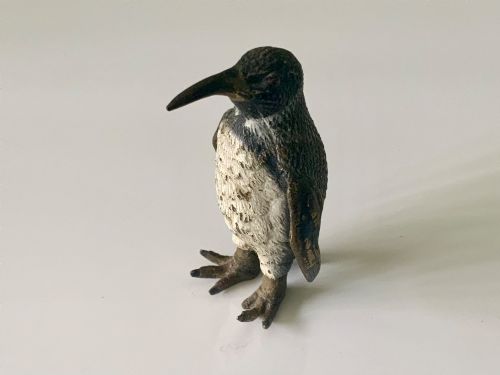
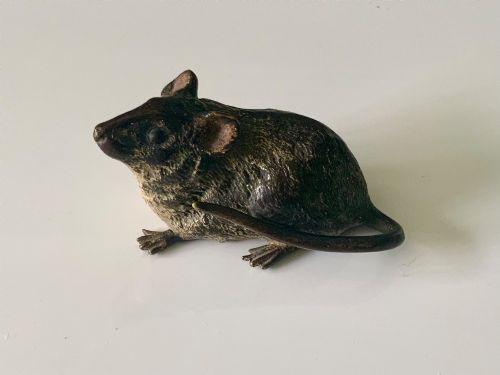
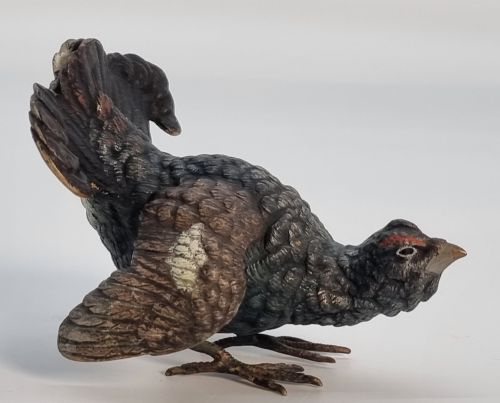
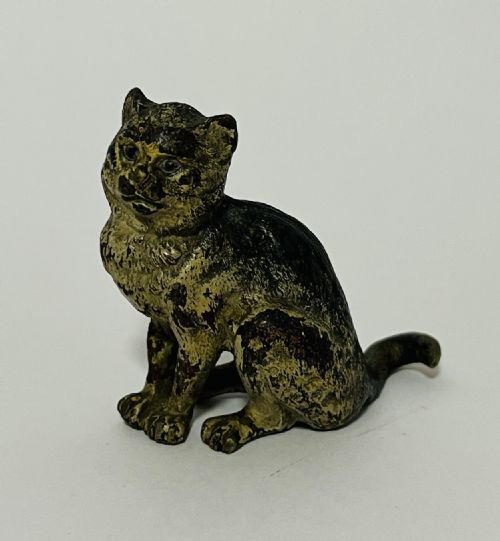
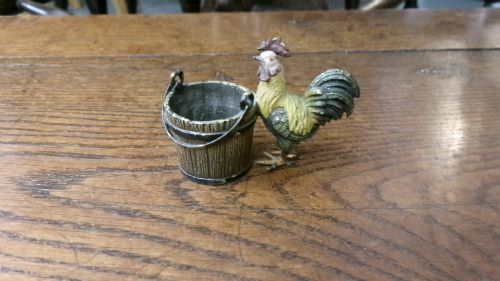
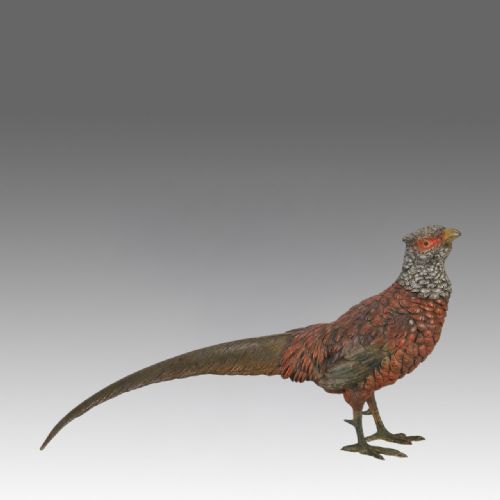


Cold Painted Animal Sculpture
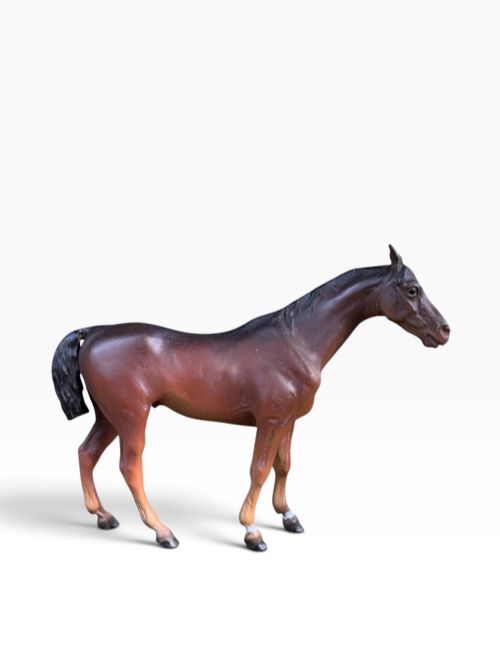
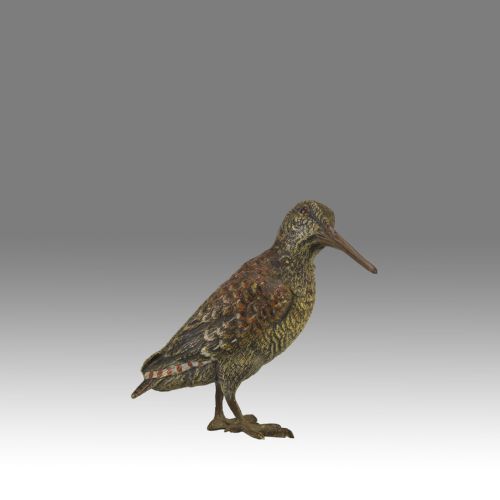
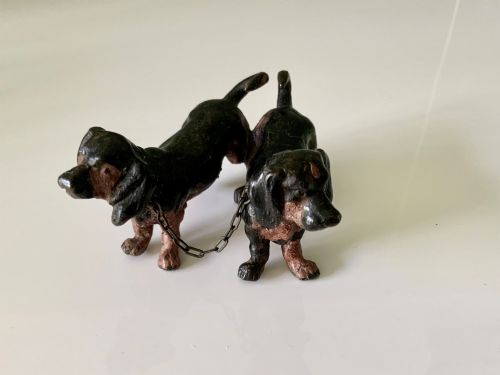
A cold painted animal sculpture brings miniature realism to a desk or shelf, capturing birds and hounds in cast metal.
Cold Painted Animal Sculpture
When you search for a cold painted animal sculpture, you encounter small figures cast in metal and finished with hand-applied polychrome paint. Most items originate from Austrian foundries operating through the nineteenth and early twentieth centuries.
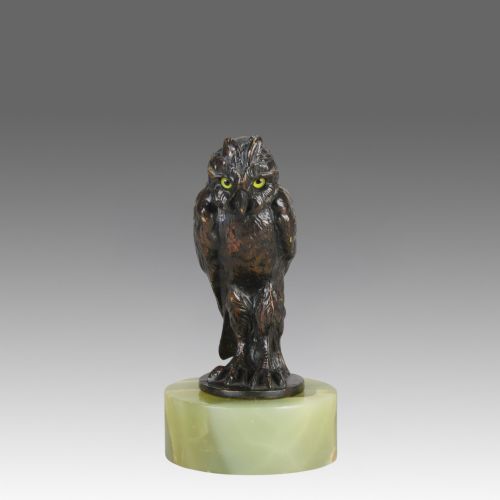
The subjects span domestic dogs, farm animals, and exotic wildlife like birds, foxes, and big cats. Many pieces function as desk accessories, inkwells, pin cushions, or car mascots alongside traditional cabinet figurines.
How they were made
Makers cast molten bronze or spelter into moulds to create the animal form, occasionally mounting completed figures onto green onyx bases. Some larger models utilise terracotta instead of metal as the primary medium.
Artisans applied multiple layers of cold paint directly onto the unheated metal surface without firing the pigment. This technique relies on careful brushwork to render feathers, fur texture, and natural markings.
Periods represented span from the mid-nineteenth century through the nineteen-twenties.
What varies in quality
Preservation of the original polychrome pigments dictates the visual impact of an example. Skilled brushwork with subtle shading distinguishes master foundry output from simpler commercial production.
Franz Bergman·Jules Moigniez·Bernard Bloch
The Cold Painted Animal Sculpture Glossary
- Cold-painted
- A decorative finish where oil paint or enamel is applied to a metal object without subsequent heat firing. The pigment adheres directly to the cast surface.
- Vienna Bronze
- Small cast metal sculptures produced by workshops in Vienna, Austria, during the late nineteenth and early twentieth centuries. These figures frequently depict animals and human orientalist subjects.
- Spelter
- An alloy of zinc and lead used as a cheaper alternative to bronze for casting figures. It provides a lighter and softer base for painted finishes.
- Polychrome paint
- Multicoloured pigment application used to render naturalistic skin, fur, and plumage tones on animal models. It allows for detailed representation of wildlife colours.
Cold Painted Animal Sculpture: Frequently Asked Questions
What is cold painted bronze?
Cold painting involves applying oil-based pigments to a cast metal object without baking or firing the colour. The technique allows for intricate multi-coloured details on small animal figures.
Foundries in Austria popularised the method for cabinet bronzes, ensuring the surface captured realistic fur and plumage without subjecting the paint to kiln heat.
How old are these sculptures?
Most pieces date from the late nineteenth century through to the early twentieth century, spanning the Victorian, Edwardian, Art Nouveau, and Art Deco periods.
Production flourished around nineteen hundred, driven by prolific Austrian workshops and independent founders producing miniature animal studies.
Were these figures used for anything?
Many examples served practical functions beyond simple display on a shelf. Sculptures often incorporate inkwells, pin cushions, or threaded mounts to serve as car mascots.
Smaller models sat on writing desks as paperweights or decorative desk accessories while maintaining detailed sculptural fidelity.
How do I care for the paint?
Keep these sculptures away from direct sunlight and moisture to prevent the delicate cold-painted surface from flaking or fading. Dust gently with a soft dry brush.
Avoid using water, chemical cleaners, or polishes, as liquid solvents will strip the original hand-applied pigments from the metal.