

Cocktail Serving Tray
A cocktail serving tray brings period glamour to home entertaining, offering a distinct stage for glassware and decanters.
Cocktail Serving Tray
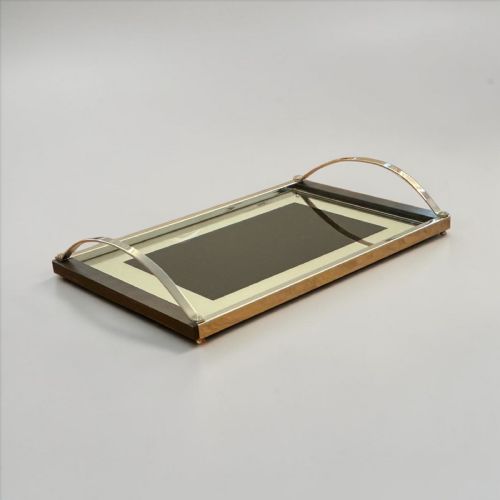
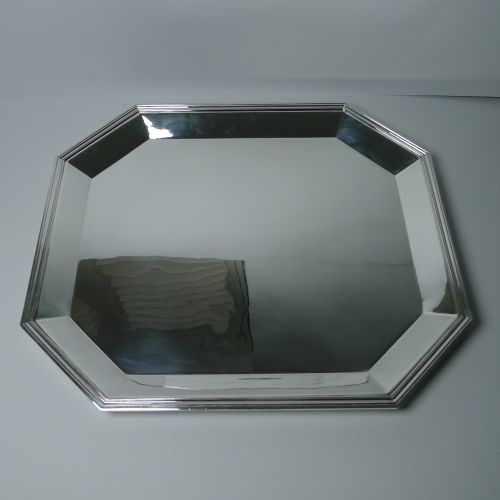
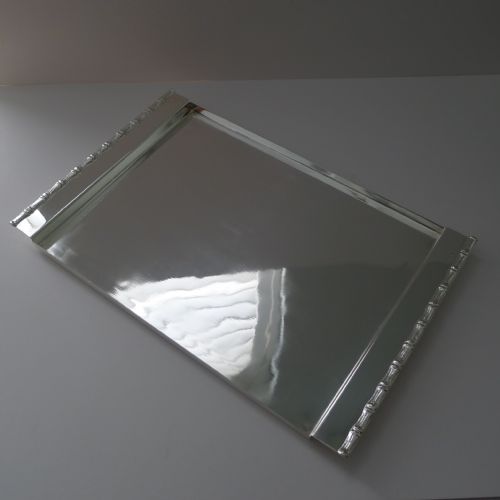
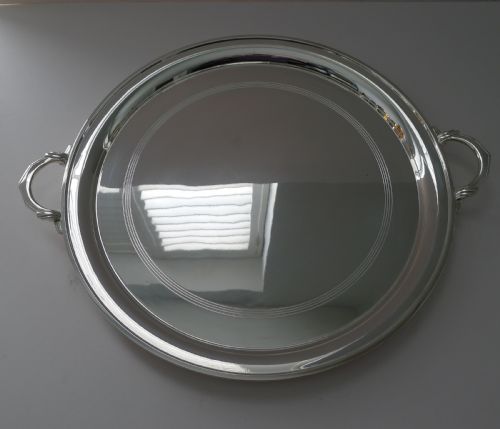
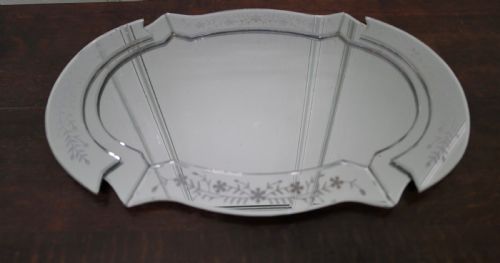
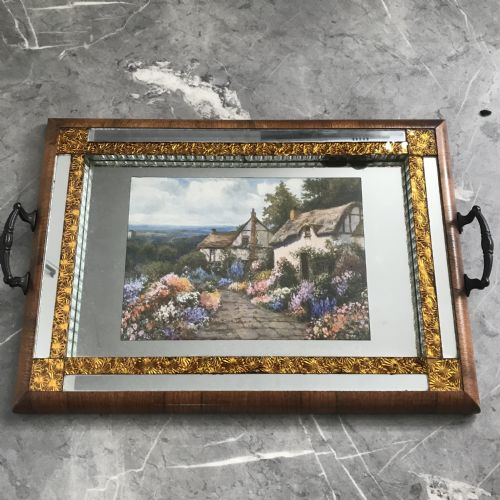
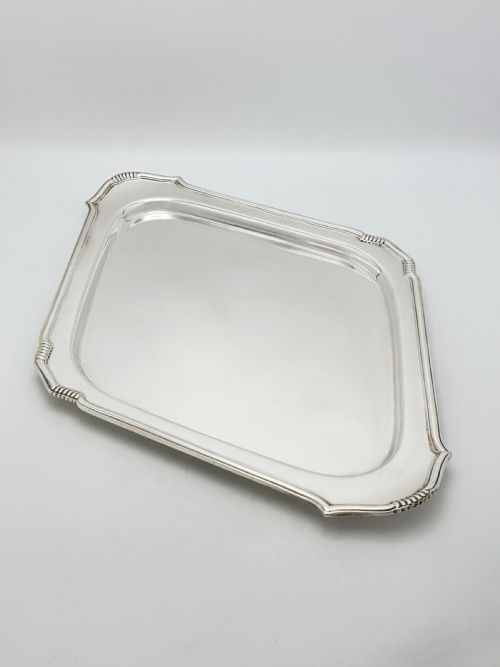
When you search for a cocktail serving tray, you encounter pieces designed specifically for carrying and presenting drinks, spanning the Edwardian era through the mid-twentieth century. The selection leans heavily toward silver plated metalwork and mirrored glass surfaces created during the Art Deco period.
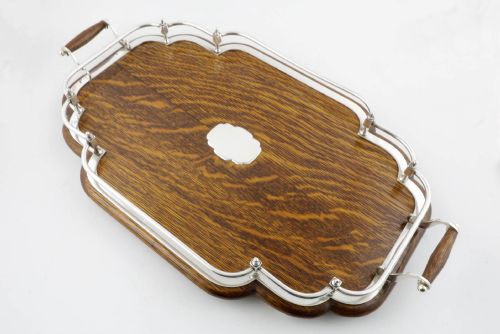
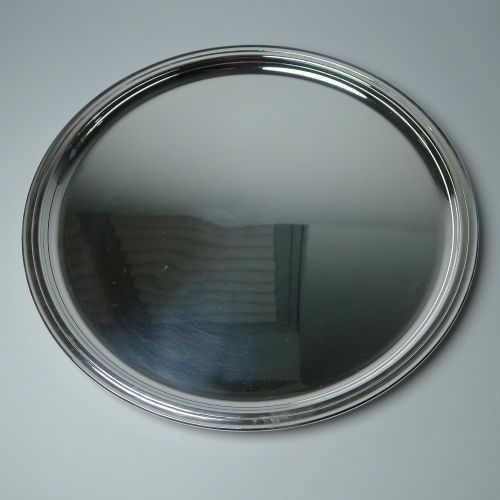
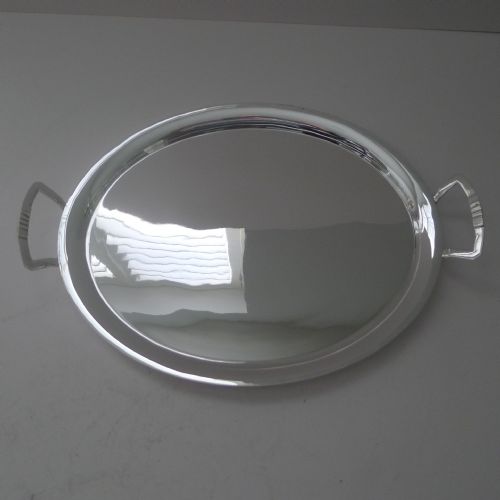
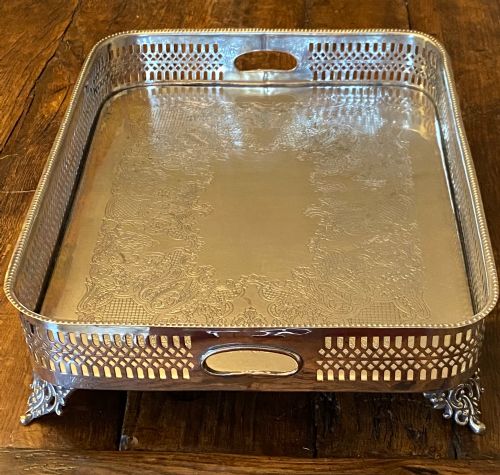
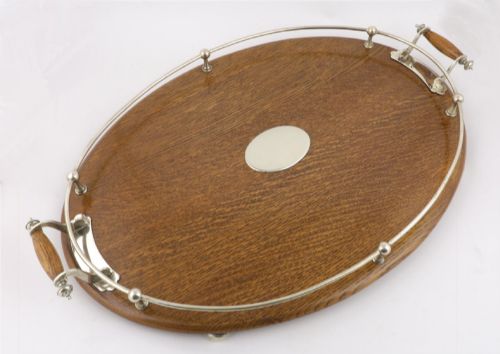
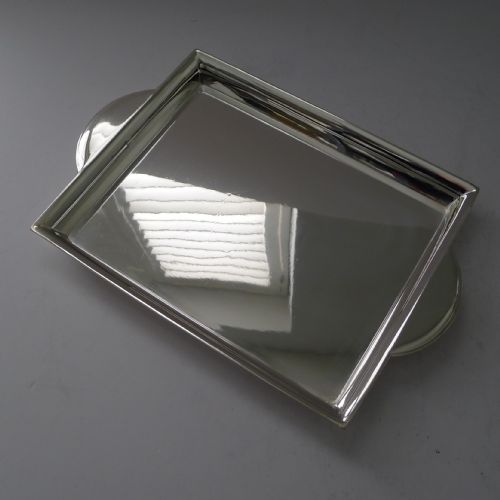
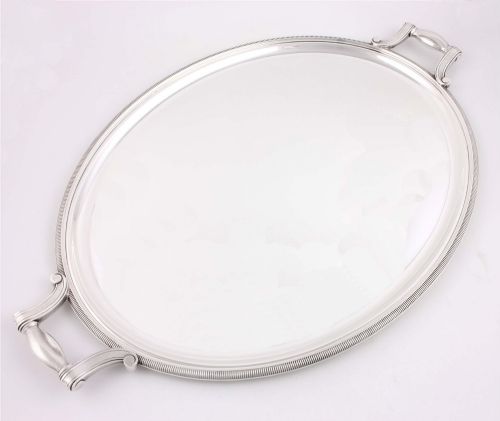
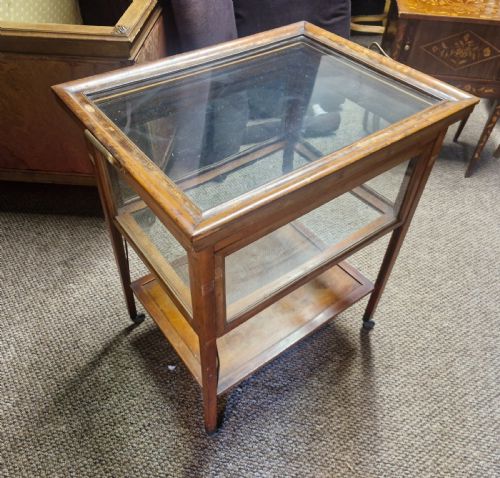
Forms range from compact diamond and circular shapes to extra large oval gallery trays fitted with substantial handles. Alongside standard flat trays, the offerings include tea trolleys and folding butlers trays on stands adapted for serving beverages.
Origins stretch from English workshops in Sheffield and London to French and Italian makers. Silver plate, mahogany, and chrome dominate the construction materials across these diverse geographical sources.
How they were made
Silversmiths utilised silver plate, sterling silver, and nickel silver over base metals, often employing engine turning or etched designs to decorate the metal surfaces. Gallery borders and handles were frequently cast separately and soldered or screwed securely to the main tray body.
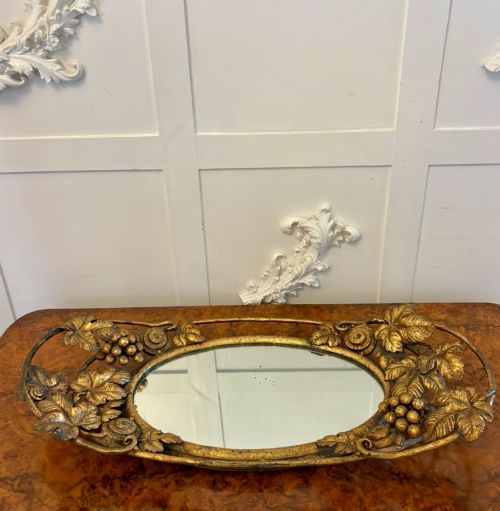
Glass elements rely on cut glass, mirrored glass, and Venetian mirror work set within wooden frames or metal mounts. Wood varieties like English oak, walnut veneer, and mahogany provide structural backing or form the primary material for folding butler styles.
Cocktail Serving Tray Retail Price Guide 2026
Typical asking prices for cocktail serving tray among the pieces listed under this phrase on Sellingantiques today, from the lower quarter to the upper quarter. They describe what is for sale here now, not the wider market.
Listings feature silver plate, mirror, glass, mahogany, chrome, and brass across Art Deco, Edwardian, and Mid-Century Modern styles.
What varies in quality
The weight and gauge of the metal foundation dictate the structural rigidity of the piece, distinguishing sturdy silver plate from thinner alternatives. Substantial gallery rails and securely fastened handles indicate superior initial manufacture.
The integration of materials determines the refinement of the object, such as the precision fit of a mirrored glass insert within a wooden or metal frame. Maker attribution to notable firms adds documented craftsmanship to the construction.
Christofle Paris·Hukin & Heath·Walker & Hall·James Dixon & Sons·Mappin & Webb
The Cocktail Serving Tray Glossary
- Gallery tray
- A serving tray featuring an elevated pierced metal or wooden gallery rail around the perimeter to secure glassware during transit.
- Silver plate
- A layer of silver fused or electroplated onto a base metal such as copper or nickel silver, common in domestic tableware production.
- Engine turned
- A precision mechanical technique used to engrave intricate geometric patterns into metal surfaces.
- Butler tray
- A portable wooden tray, often with drop sides, designed to sit upon a folding stand for serving drinks or food.
Cocktail Serving Tray: Frequently Asked Questions
How do I clean a silver plated cocktail tray?
Use a soft cloth and a dedicated silver polish designed for plated items to remove tarnish gently without abrading the surface.
Avoid soaking trays that combine wood and metal or mirrored glass, as moisture can damage the backing or joints.
Were these trays used exclusively for cocktails?
While many mid-century and Art Deco designs cater specifically to the cocktail boom with mirrored bases and handles, earlier examples often served dual purposes for tea or general hospitality.
Larger gallery trays accommodate decanters and glassware collections easily, making them versatile for modern drinks display.
How can I tell an Art Deco tray from an Edwardian one?
Edwardian trays frequently incorporate floral motifs, inlaid wood, or pierced brass gallery rails with a traditional aesthetic.
Art Deco pieces favour geometric shapes, chromium plating, clean lines, and mirrored glass surfaces.
Can I use a vintage mirrored tray for serving drinks?
Mirrored glass surfaces handle normal use well, provided you lift the tray by its handles rather than testing the edges.
Protect the silvered backing by avoiding prolonged contact with spilled liquids and moisture.