
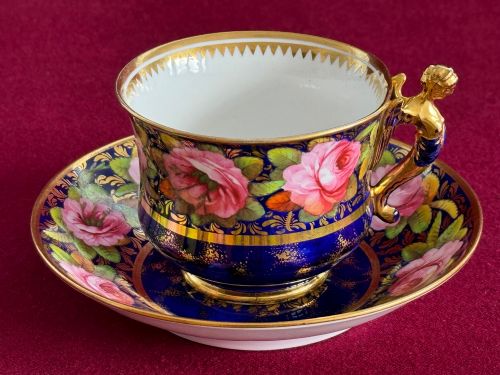
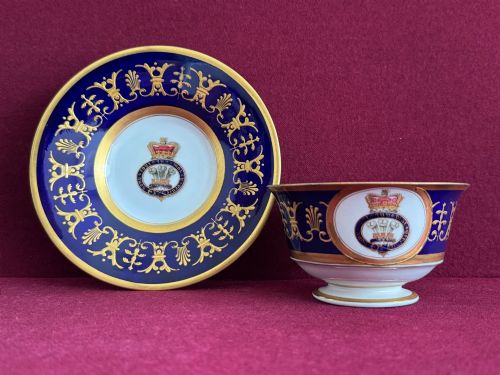
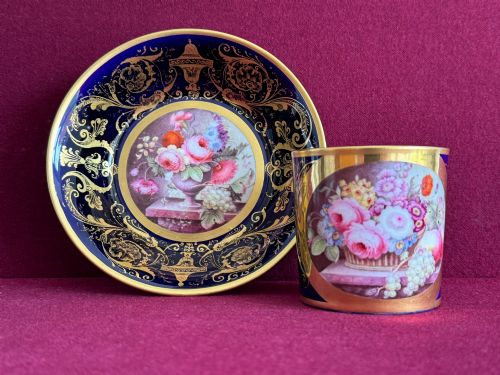
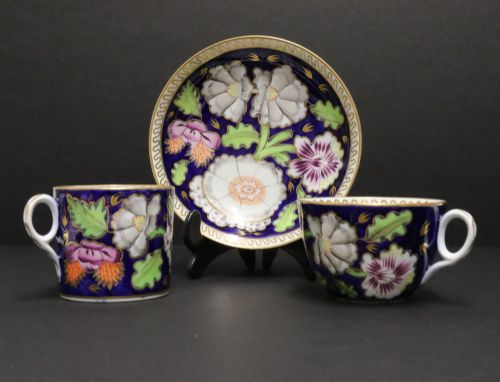


Cobalt Porcelain Teacup
These cobalt porcelain teacup pieces bring rich blue underglaze artistry and fine ceramic tradition straight to the table.
Cobalt Porcelain Teacup
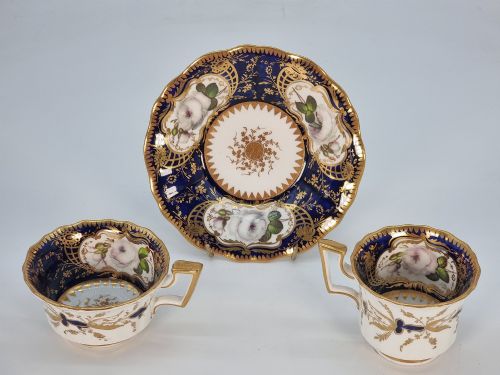
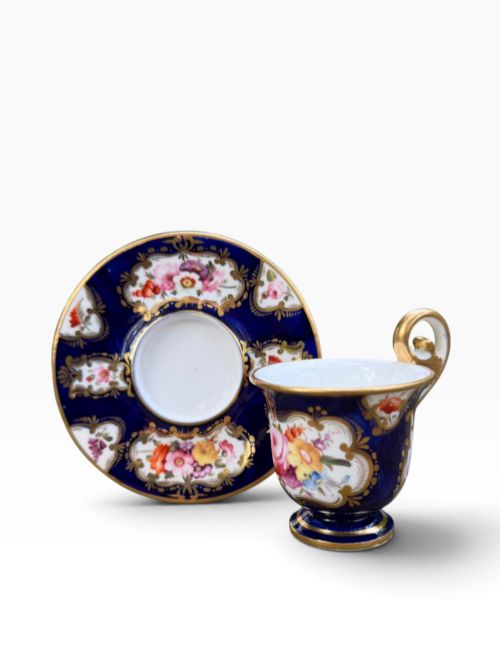
A cobalt porcelain teacup gathers centuries of ceramic skill into a single handheld vessel designed for daily tea drinking or cabinet display. The examples on this page span several distinct eras, moving from Georgian tea bowls and 18th-century Worcester wares through Regency cabinet trios up to later pieces.
Most items appear alongside matching saucers or form part of wider sets like cabinet trios, coffee cans, and miniature solitaire sets. Buyers encounter forms originating from English factories as well as Chinese, Japanese, and Russian workshops.
How they were made
The makers formed these pieces from porcelain, bone china, and soft-paste porcelain, applying cobalt pigments beneath a translucent glaze before high-temperature firing. Artisans then added gold leaf, gilding, and enamel details by hand, frequently building rich patterns over the blue ground.
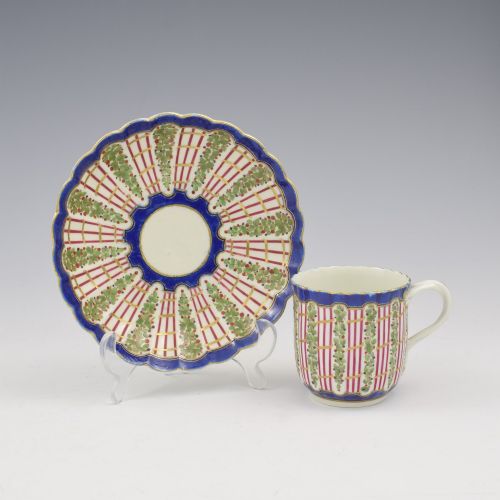
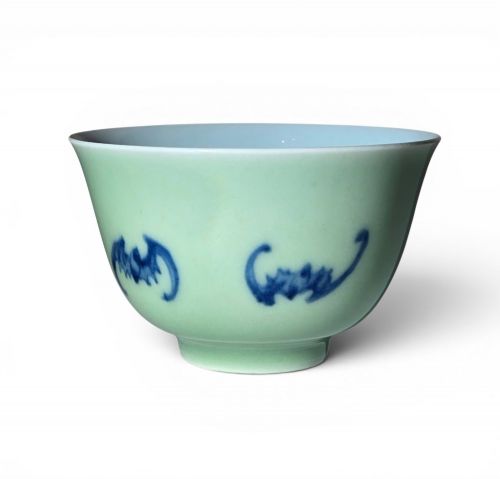
Factories utilised specialised porcelain bodies, carefully controlling kiln temperatures to fix the underglaze blue hues and metallic accents. Skilled painters applied intricate motifs, ranging from Hop Trellis designs to bat wing patterns and celadon-ground decorations.
Bats flutter across 18th-century surfaces in delicate underglaze blue, bringing flying mammals straight to the tea table.
What varies in quality
The sophistication of the painting and the precision of the underglaze blue application set the standard for these items. Exemplary pieces display crisp brushwork, balanced compositions, and carefully integrated gilding that enhances rather than overpowers the ceramic body.
Provenance and factory origin heavily influence the distinction between standard wares and exceptional cabinet pieces. Items connected to notable services or renowned periods demonstrate superior throwing, finer translucency, and more intricate enamel detailing.
Spode·Barr & Barr Worcester·Minton·Newhall·Coalport·Dr Wall Worcester·Yates·Lowestoft·Royal Crown Derby·Barr Flight Barr Worcester·Gardner Moscow Factory
The Cobalt Porcelain Teacup Glossary
- Soft-Paste Porcelain
- An artificial ceramic paste fired at lower temperatures than hard-paste porcelain, creating a warm, slightly creamy body favoured by early English factories. It absorbs light differently and often shows distinct glaze pooling.
- Coffee Can
- A small, straight-sided cylindrical cup designed specifically for drinking strong coffee in the 18th and early 19th centuries. These pieces typically feature delicate looped handles and accompany matching saucers.
- Cabinet Trio
- A matching set comprising a teacup, coffee cup, and saucer created for display in a china cabinet rather than everyday use. Such sets highlight the decorative ambitions of Regency and Georgian makers.
- Underglaze Blue
- A decorative technique where cobalt oxide pigment is painted directly onto the unfired ceramic body before glazing and firing. This method locks the blue colour permanently beneath the glassy surface.
Cobalt Porcelain Teacup: Frequently Asked Questions
How do I date an old teacup?
Dating relies on examining the paste, glaze characteristics, factory marks, and decorative style relative to known periods like the Georgian or Regency eras. Shape evolution, such as the transition from handleless tea bowls to handled cups, also provides chronological clues.
Comparing the potting technique and blue pigments against documented factory output helps narrow down the decade of production. Examining the base for painted or impressed factory marks remains a primary method for establishing age.
What is a cabinet cup?
A cabinet cup is a decorative vessel made primarily for display in a collector's cabinet rather than practical tea drinking. These pieces often feature elaborate gilding, hand-painted scenes, and exceptional porcelain bodies.
Such items were produced by leading factories to showcase technical mastery and artistic ambition. They frequently survive in pristine condition because they avoided daily kitchen use.
Can I use these cups for tea?
While these items were originally functional teaware, many older pieces, particularly soft-paste porcelain and 18th-century bowls, require careful handling. Thermal shock or vigorous washing can damage delicate glazes and historical gold leaf.
Most collectors prefer to display or gently hand-wash these ceramics to preserve their fragile surfaces. Modern use is generally restricted to robust later wares rather than early cabinet trios.
What is a tea bowl?
A tea bowl is a small, handleless drinking vessel derived from early Asian tea traditions and adopted by early European porcelain factories. Drinkers cradled the bowl in both hands to enjoy the warm tea.
As tea-drinking habits evolved in Britain, factories gradually added handles to form the standard teacup shape. Surviving tea bowls offer a direct link to 18th-century social rituals.